What does a Psychologist do?
A psychologist studies the human mind and behavior. This professional helps people understand their thoughts, feelings, and actions. They work to improve mental health and well-being. Psychologists use different methods like therapy, assessment, and counseling. They listen to clients and provide support. This role requires a deep understanding of psychology theories and practices.
Psychologists work in many settings. They can be found in hospitals, schools, private practices, and corporate environments. Their job duties vary depending on their specialty. Some focus on clinical work, while others conduct research. They also teach and write about psychology. This field offers many opportunities to make a difference in people’s lives.
How to become a Psychologist?
Becoming a psychologist can lead to a rewarding career. It requires dedication and the right steps. Follow these steps to start your journey in psychology.
The first step is to earn a bachelor's degree. Aim for a degree in psychology or a related field. This usually takes four years. Ensure your program is accredited by the American Psychological Association (APA). This step sets a strong foundation.
- Earn a bachelor's degree in psychology or a related field.
- Pursue a master's degree in psychology.
- Get a doctoral degree in psychology.
- Complete a supervised internship or residency.
- Obtain a license to practice psychology.
After your bachelor's degree, the next step is to get a master's degree. This can take an additional two years. Focus on advanced topics and research. This degree prepares you for further studies or entry-level positions.
The third step involves getting a doctoral degree. This is either a Ph.D. or a Psy.D. It usually takes four to seven years. This advanced degree is essential for clinical practice. It includes coursework and a dissertation or clinical internship.
Completing a supervised internship or residency is the fourth step. This hands-on experience is crucial. It allows you to apply what you've learned in real-world settings. This step is supervised by licensed psychologists.
Finally, obtain a license to practice psychology. Each state has its own licensing requirements. This involves passing an exam and meeting experience requirements. Once licensed, you can start your career as a psychologist.
How long does it take to become a Psychologist?
Interested in a career in psychology? It’s a rewarding path that helps many people. The journey to becoming a licensed psychologist involves several steps. First, a person needs a bachelor’s degree. This usually takes four years. After that, a master’s degree adds another two years of study.
To practice as a psychologist, one must complete a doctoral degree. This can be a Ph.D. or a Psy.D. Both of these take about five to seven years. After finishing the degree, a person must complete a supervised internship. This internship can take one to two years. Finally, passing a licensing exam is the last step. This ensures the psychologist meets the state’s requirements. In total, it takes about eight to ten years to become a licensed psychologist.
Psychologist Job Description Sample
We are seeking a dedicated and compassionate Psychologist to join our team. The Psychologist will provide therapeutic services to individuals, families, and groups, helping them to overcome challenges and improve their mental health. The ideal candidate will have a strong background in psychology, excellent communication skills, and a commitment to promoting mental well-being.
Responsibilities:
- Conduct individual, family, and group therapy sessions to address mental health issues.
- Assess clients' mental health needs through interviews, observations, and standardized tests.
- Develop and implement individualized treatment plans based on clients' needs and goals.
- Collaborate with other healthcare professionals to provide comprehensive care.
- Maintain accurate and confidential client records in compliance with legal and ethical standards.
Qualifications
- A doctoral degree (PhD or PsyD) in Psychology from an accredited institution.
- State licensure or certification to practice as a Psychologist.
- Completion of a supervised internship or residency program.
- Strong interpersonal and communication skills.
- Ability to maintain confidentiality and adhere to ethical guidelines.
Is becoming a Psychologist a good career path?
A career in psychology offers a chance to explore the human mind and help others. Psychologists work in many fields, from clinical settings to schools and businesses. They study behavior and mental processes to improve people's well-being. This role involves a mix of research, therapy, and education.
Choosing psychology as a career comes with its own set of pros and cons. On the positive side, psychologists can make a real difference in people’s lives. They get to help individuals, families, and communities. The work can be very rewarding and fulfilling. Flexibility in job settings is another advantage. Psychologists may work in hospitals, private practices, schools, or corporations. The need for psychologists continues to grow in many areas. This can lead to job stability and opportunities for advancement. However, there are also some challenges. Long hours and high stress levels are common. Some psychologists work with individuals who have severe mental health issues. This can be emotionally taxing. Additionally, becoming a licensed psychologist requires extensive education and training. This can take many years and significant financial investment.
Here are some key points to consider:
- Pros:
- Helping people improve their mental health
- Variety of work environments
- Growing demand for mental health services
- Cons:
- Emotional stress from dealing with challenging cases
- Long education and training required
- High potential for burnout
What is the job outlook for a Psychologist?
The job outlook for psychologists is promising, making it an attractive career path for many. The Bureau of Labor Statistics (BLS) reports that an average of 12,800 job positions open up each year. This consistency ensures a steady stream of opportunities for those entering the field. The projected job openings percent change from 2022 to 2032 is 6.1%, indicating growth and stability in demand for these professionals. This growth reflects the increasing recognition of mental health's importance in society.
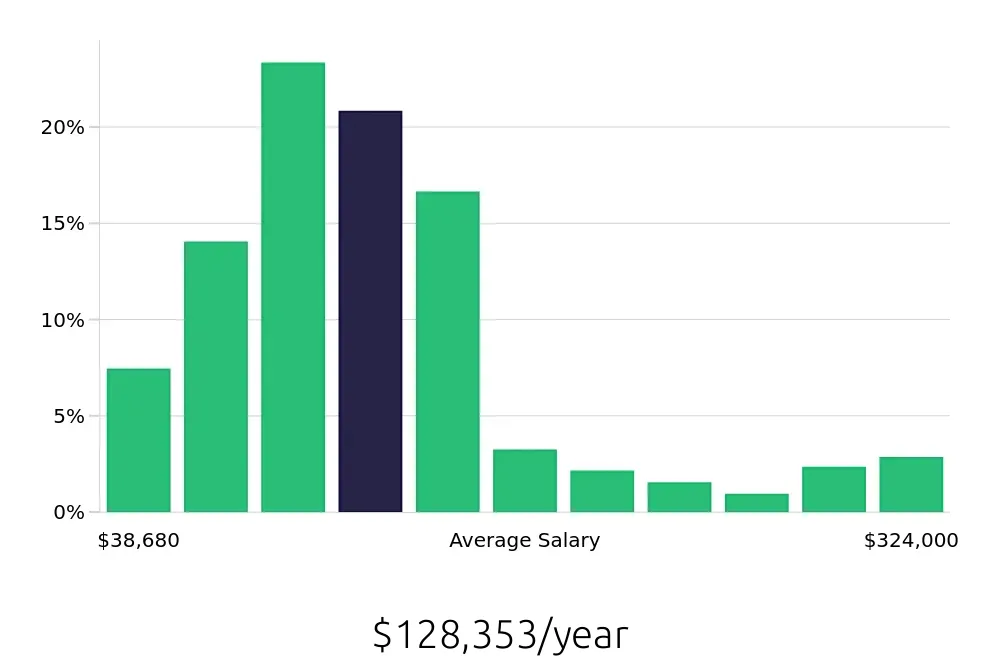
In terms of compensation, psychologists enjoy competitive earnings. The average national annual compensation stands at $101,170, according to the BLS. This figure highlights the financial rewards that come with a career in psychology. Additionally, the average national hourly compensation is $48.64, which further underscores the value of skills and expertise in this field. These figures suggest that pursuing a career in psychology can be both fulfilling and financially rewarding.
Overall, the field of psychology offers a mix of job security, growth potential, and attractive compensation. For job seekers considering this career, these factors provide a strong foundation for a successful and rewarding professional journey. Whether driven by passion for helping others or interest in the financial aspects, psychology presents a viable and beneficial career choice.
Currently 683 Psychologist job openings, nationwide.
Continue to Salaries for Psychologist