Position
Overview
A Public Health Nurse plays a crucial role in promoting and protecting community health. They work to prevent disease outbreaks and educate the public on health issues. This position involves conducting health assessments and providing care to individuals and families. The nurse often works in schools, clinics, and community centers to reach a broader audience.
Responsibilities of a Public Health Nurse include planning health programs, providing vaccinations, and tracking health trends. They collaborate with other healthcare professionals and community organizations. This role requires strong communication skills and a deep understanding of public health issues. Public Health Nurses aim to improve the overall health and well-being of their community.
Becoming a Public Health Nurse is a rewarding career path that helps communities stay healthy. This journey combines nursing skills with public health knowledge. Here are five key steps to guide someone through this process.
First, one should complete a nursing program. This usually means earning an Associate Degree in Nursing (ADN) or a Bachelor of Science in Nursing (BSN). These programs teach the essential skills needed to care for patients. Schools often require high school diplomas or GEDs for entry.
The time it takes to become a Public Health Nurse can vary. This journey involves education and training. Most start with a high school diploma. They then attend a nursing program. These programs last about two to four years. Many earn an Associate Degree in Nursing (ADN) or a Bachelor of Science in Nursing (BSN). A BSN often takes four years.
After completing a nursing program, one must pass the NCLEX-RN exam. This exam tests the knowledge and skills needed for nursing. Passing this exam opens the door to a nursing license. Some Public Health Nurses choose to go further. They may earn a Master of Public Health (MPH) degree. This advanced degree can take one to two more years. It focuses on public health and community health practices. All these steps combined can take anywhere from four to six years to complete.
A Public Health Nurse plays a crucial role in promoting and maintaining the health of communities and populations. They work to prevent disease, prolong life, and promote health through the organized efforts and informed choices of society, organizations, public and private communities, and individuals. The role involves conducting assessments, developing health education programs, and collaborating with various stakeholders to improve public health outcomes.
Responsibilities:
Qualifications
A Public Health Nurse works to improve the health of communities. This role combines nursing skills with public health knowledge. This nurse helps people by preventing diseases, promoting healthy habits, and providing care. This path offers a chance to make a big difference in people's lives.
Choosing this career has its own set of benefits and challenges. It is important to understand both sides before making a decision.
The benefits of being a Public Health Nurse include:
However, this career also has some challenges:
Balancing these pros and cons can help in making a well-informed career choice.
Public Health Nurses play a crucial role in ensuring community health and safety. The field offers promising opportunities for job seekers. According to the Bureau of Labor Statistics (BLS), there are about 193,100 job positions for Public Health Nurses each year. This figure is expected to grow by 5.6% from 2022 to 2032. Such growth highlights a strong demand for qualified professionals in this area.
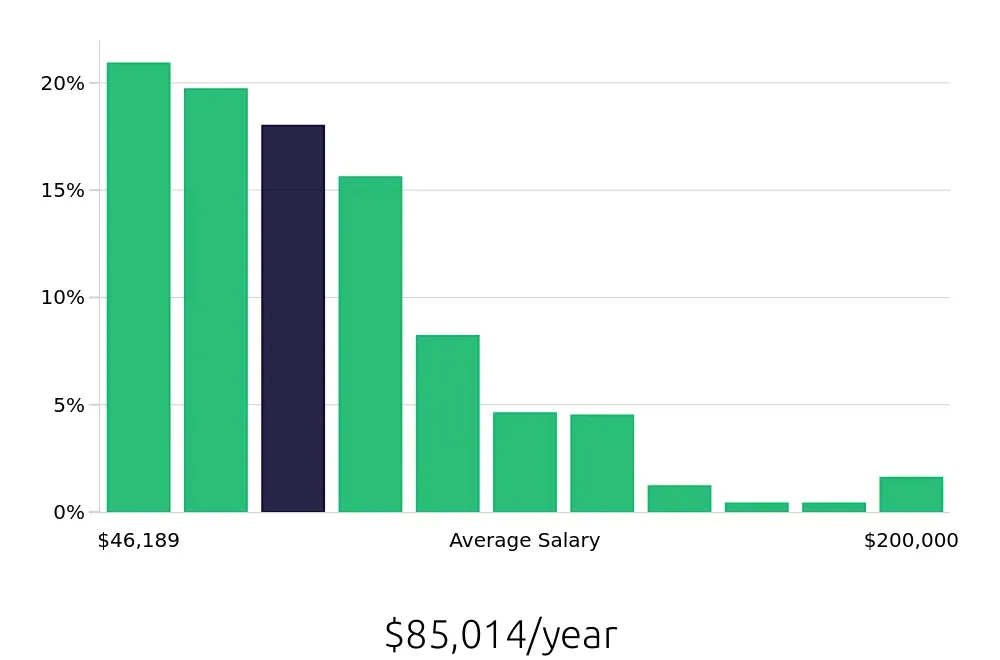
Embarking on a career as a Public Health Nurse can be financially rewarding. The average national annual compensation stands at $94,480. This figure translates to about $45.42 per hour, according to BLS data. These earnings reflect the critical nature of the work and the expertise required. It also shows a stable and lucrative path for those entering the field.
To thrive in this career, job seekers should focus on building relevant skills and gaining experience. Public Health Nurses work in various settings, including government agencies, schools, and hospitals. They promote health awareness and prevent diseases. Understanding the job outlook and compensation can help job seekers make informed decisions about their future in this rewarding field.