Position
Overview

What does a Quality Inspector do?

A Quality Inspector plays a critical role in ensuring that products meet specific standards and requirements. This professional carefully examines products at various stages of production to identify any defects or issues. By catching problems early, they help to maintain the integrity of the final product and ensure customer satisfaction. Quality Inspectors work closely with production teams, reviewing materials and processes to prevent errors.


To perform this role, a Quality Inspector needs strong attention to detail and analytical skills. They must be able to interpret technical documents and specifications. This role also involves communicating findings effectively, both to production staff and management. Quality Inspectors often use specialized equipment and software to perform their tasks. They must adhere to strict safety and quality protocols. Their work is essential in maintaining high standards and improving overall product quality.

View Quality Inspector jobs nearby

How to become a Quality Inspector?

Starting a career as a Quality Inspector can open many doors in various industries. This role is crucial for ensuring that products meet required standards. By following a structured path, anyone can become a proficient Quality Inspector. This professional role demands attention to detail, analytical skills, and a commitment to quality.

Here are key steps to become a Quality Inspector:

  1. Earn a High School Diploma or GED. Most employers require at least a high school diploma or equivalent. This is the basic educational requirement.
  2. Complete a Training Program. Look for programs that offer training in quality assurance, inspection techniques, and testing methods. These can be found at community colleges, technical schools, or online.
  3. Gain Experience. Seek entry-level jobs in quality control or related fields. Experience can help build skills and knowledge needed for the role.
  4. Get Certified. Certification can enhance job prospects and credibility. Organizations like the American Society for Quality (ASQ) offer valuable certifications.
  5. Apply for Jobs. Use job boards, company websites, and networking to find open positions. Tailor each application to the job description and highlight relevant skills and experience.

How long does it take to become a Quality Inspector?

A Quality Inspector needs about two years of training. This includes a mix of classroom and on-the-job learning. People often start with a high school diploma or a GED. They then complete a certificate or associate's degree program. These programs focus on manufacturing processes and inspection methods. Hands-on experience during the training helps students learn quickly. Many programs also include internships, allowing learners to apply what they know in real-world settings.

Achieving the role of a Quality Inspector can involve a varied path, often reflecting the specific industry you aim to enter. Most often, this career can be accessed after completing a high school diploma or equivalent. Some positions may require specialized training or even associate degrees in related fields. The journey to becoming a Quality Inspector usually involves learning essential skills, often through a combination of education and hands-on experience.

The time it takes to become a Quality Inspector differs based on educational routes and personal goals. High school graduates can enter the workforce with minimal training, perhaps by completing an on-the-job training program, which may take a few months to a year. For those seeking more specialized roles, an associate degree in a related field like manufacturing, engineering, or technology can take around two years. Additional certifications or experience might then extend the timeline to a few more years. With determination and the right educational path, one can step into this essential role within a realistic timeframe.

Quality Inspector Job Description Sample

A Quality Inspector is responsible for ensuring that all products meet specified quality standards and regulatory requirements. This role involves inspecting products at various stages of production, identifying defects, and maintaining detailed records of quality control processes.

Responsibilities:

  • Inspect and test products to ensure they meet quality standards and specifications.
  • Document and report any deviations from quality standards or specifications.
  • Conduct routine inspections on raw materials, in-process materials, and finished products.
  • Collaborate with production and engineering teams to identify and resolve quality issues.
  • Maintain detailed records of inspections, test results, and corrective actions taken.

Qualifications

  • High school diploma or equivalent; additional education in quality control or related field is a plus.
  • Proven experience as a Quality Inspector or in a similar role.
  • Knowledge of quality control principles and techniques.
  • Familiarity with relevant industry standards and regulations.
  • Strong attention to detail and analytical skills.

Is becoming a Quality Inspector a good career path?

A Quality Inspector examines products to ensure they meet certain standards. This role checks materials, parts, and final products. Inspectors work in many industries like manufacturing, automotive, and construction. They use tools and follow strict guidelines. This job helps make sure what people buy is safe and works well.

Working as a Quality Inspector offers both good and not-so-good points. On the positive side, inspectors enjoy hands-on work and often have steady jobs. They can see their work make a difference in safety and quality. Inspectors also get to learn about new products and technologies. But, there are challenges too. Inspectors must be very detail-oriented and often work under tight deadlines. The job can be repetitive and may require standing for long periods. Travel may also be needed to different job sites.

Here are some pros and cons of being a Quality Inspector:

  • Pros:
  • Steady employment
  • Opportunity to work with new products
  • Hands-on work experience
  • Cons:
  • Detail-oriented and repetitive work
  • May require long hours standing
  • Possible travel needed

What is the job outlook for a Quality Inspector?

Quality inspectors play a crucial role in ensuring the safety and quality of products. This profession offers steady job opportunities despite a slight decline in openings. According to the Bureau of Labor Statistics (BLS), there are approximately 6,500 job positions available each year. The outlook shows a projected decrease of 2.8% from 2022 to 2032. This slight dip, however, is not a deterrent for job seekers.

The average annual compensation for quality inspectors stands at $44,240, with an hourly rate of $21.27. This indicates a stable and rewarding career path. Quality inspectors work in various industries, including manufacturing, food production, and construction. This diversity allows for flexibility and opportunities for career advancement. The role of a quality inspector is vital, making it a respected and essential position in many sectors.

Job seekers interested in becoming quality inspectors should note the consistent demand and reasonable compensation. Although the number of job openings might slightly decrease, the role remains critical in maintaining product quality and safety. With the right skills and certifications, individuals can find satisfying and well-paying positions in this field.

Currently 1,587 Quality Inspector job openings, nationwide.

Continue to Salaries for Quality Inspector

Learn about Quality Inspector salaries, top-paying cities, and hiring companies. See how much you could earn!
Position
Salary
Salaries For Quality Inspector
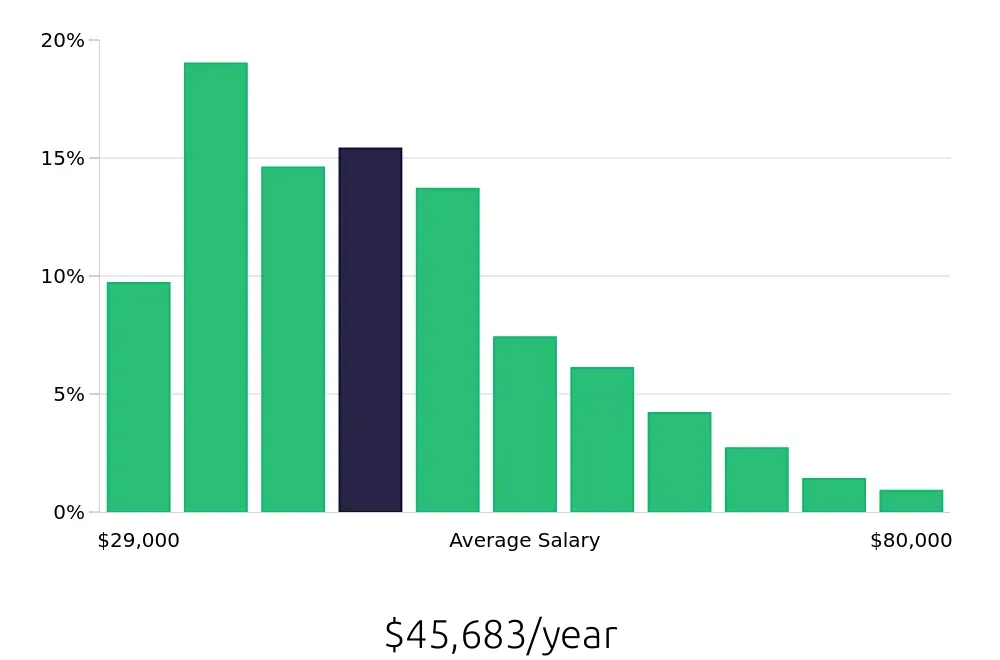
Averge salary $45,229 per year
Graph depicting the yearly salary distribution for Quality Inspector positions, showing an average salary of $45,229 with varying distribution percentages across salary ranges.