What does a Recreational Therapist do?
A Recreational Therapist plays a vital role in enhancing the lives of individuals through recreational activities. This professional works with patients in hospitals, rehabilitation centers, or community programs. The therapist uses activities to help improve physical, mental, and emotional well-being. Creative and engaging, the therapist plans and leads various activities to suit individual needs.
The Recreational Therapist designs programs that include sports, arts and crafts, music, and games. These activities aim to boost confidence and social skills. The therapist assesses each patient’s abilities and interests to tailor programs that are both fun and beneficial. This role requires strong communication skills and the ability to adapt to different challenges. Working with a team of healthcare professionals, the therapist ensures that each patient receives the best care possible.
How to become a Recreational Therapist?
To become a Recreational Therapist, one should follow a clear and structured process. This path involves education, certification, and gaining experience. Engaging in these steps helps ensure readiness for a fulfilling career in this field.
The journey starts with obtaining a relevant degree. Typically, this involves earning a bachelor's degree in a field like recreational therapy, psychology, or a related discipline. Many institutions offer specific programs in recreational therapy that include coursework in both therapy and recreational activities.
- Earn a bachelor's degree in a related field.
- Complete an internship or volunteer work in recreational therapy.
- Gain certification through the National Council for Therapeutic Recreation Certification (NCTRC).
- Apply for jobs in hospitals, schools, or rehabilitation centers.
- Continue professional development through ongoing education and training.
Next, gaining practical experience is essential. This often means completing an internship or volunteering in settings like hospitals, schools, or rehabilitation centers. Such experiences allow budding therapists to apply their knowledge in real-world situations and develop their skills.
After gaining experience, certification becomes important. Aspiring therapists should seek certification through the National Council for Therapeutic Recreation Certification (NCTRC). This certification process usually requires passing an exam and meeting other specific requirements.
With a degree, experience, and certification, the final steps involve job applications and continued learning. Recreational Therapists can find opportunities in various settings. These include hospitals, schools, rehabilitation centers, and private practices.
How long does it take to become a Recreational Therapist?
Starting a career as a recreational therapist often involves specific education and training. First, it takes four years to earn a bachelor's degree in fields like recreation therapy, recreational therapy, or a related discipline. This degree covers important topics in psychology, therapy, and human development.
After completing the bachelor's degree, the next step is to gain experience. Many states require recreational therapists to work under a certified therapist for about 1,000 to 1,500 hours. This period helps new therapists build skills and understand how to help patients. Finally, passing a national exam allows someone to become a Certified Therapeutic Recreation Specialist (CTRS). This certification proves the therapist has the knowledge and skills needed to work in this field.
Recreational Therapist Job Description Sample
A Recreational Therapist is responsible for planning and implementing recreational activities to improve the physical, mental, and emotional well-being of patients in various healthcare settings. They work with individuals of all ages, including those with physical disabilities, mental health issues, or chronic illnesses, to promote healing and recovery through engaging and therapeutic activities.
Responsibilities:
- Develop and implement individualized recreational therapy programs based on patient assessments and goals.
- Conduct group and individual therapy sessions to facilitate socialization, relaxation, and skill development.
- Evaluate patient progress and adjust treatment plans as needed to ensure optimal therapeutic outcomes.
- Collaborate with a multidisciplinary team, including physicians, nurses, and other therapists, to provide comprehensive care.
- Maintain accurate and up-to-date patient records and documentation.
Qualifications
- Bachelor’s or Master’s degree in Recreational Therapy or a related field.
- Certification as a Therapeutic Recreation Specialist (CTRS) or eligibility for certification.
- State licensure or certification as required by the employing facility.
- Proven experience working as a Recreational Therapist in a healthcare setting.
- Strong understanding of therapeutic principles and techniques related to recreational activities.
Is becoming a Recreational Therapist a good career path?
Recreational therapy uses activities and recreation to help people improve their physical, emotional, and social well-being. This field combines healthcare and recreation. Therapists plan and lead activities that meet each patient's needs. They work in hospitals, schools, and community centers. The goal is to help people regain skills or cope with disabilities.
Working as a recreational therapist has many benefits. Therapists can make a real difference in people's lives. They see patients get better and more independent. This job offers variety. Therapists use arts, sports, and games to help patients. They must think creatively and adapt activities to each person. Recreational therapists work with many different people, from children to the elderly. This variety keeps the job interesting.
However, there are some challenges to consider. The work can be demanding. Therapists must pay close attention to each patient's needs. They must also stay updated on the latest therapies and activities. This job requires patience and empathy. Therapists must be able to handle difficult situations. They must also work well with other healthcare providers.
Here are some pros and cons to think about:
- Pros:
- Help others improve their quality of life
- Variety in activities and settings
- Opportunity to work with different age groups
- Cons:
- Demanding and requires attention to detail
- Need to stay updated on new therapies
- Requires patience and empathy
- Must handle difficult situations
What is the job outlook for a Recreational Therapist?
Becoming a Recreational Therapist offers a promising career path with strong job outlooks. The Bureau of Labor Statistics (BLS) reports that about 51,700 job positions open annually. This means many opportunities are available for job seekers. Over the next decade, the job openings are expected to grow by 14.2%. This steady growth indicates a positive trend for those entering or considering a career in this field.
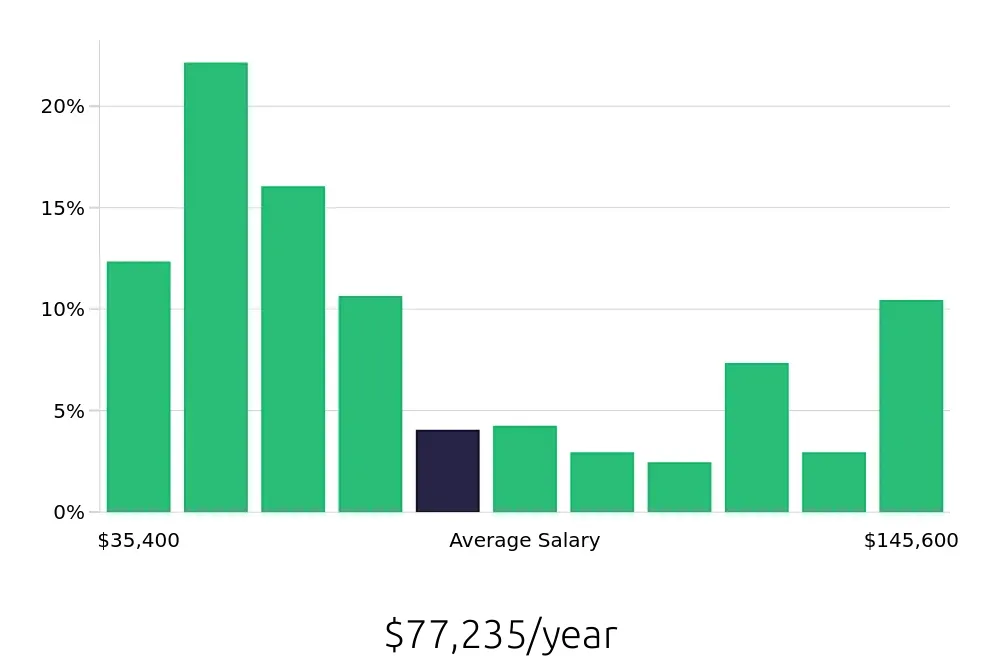
Recreational Therapists enjoy a competitive salary, with an average national annual compensation of $92,670. Hourly, this translates to about $44.55 per hour. These figures reflect the value and importance of the skills and services provided by Recreational Therapists. This compensation can be quite attractive for those looking to invest in their future within this rewarding profession. The stable and good income potential makes this career an appealing choice for many job seekers.
The positive job outlook and decent compensation make a career in Recreational Therapy very attractive. Job seekers will find numerous opportunities and a rewarding career. With the demand for Recreational Therapists set to increase, now is an excellent time to pursue this profession. This field not only offers job security but also the chance to make a significant impact on people’s lives. For those considering a career change or starting a new career, Recreational Therapy stands out as a viable and fulfilling option.
Currently 297 Recreational Therapist job openings, nationwide.
Continue to Salaries for Recreational Therapist