What does a Registered Nurse do?
A Registered Nurse (RN) plays a crucial role in the healthcare system. RNs work in various settings such as hospitals, clinics, and long-term care facilities. They provide essential care to patients of all ages. RNs assess patient conditions, administer medications, and monitor vital signs. They also coordinate with doctors and other healthcare professionals to create and implement care plans. RNs ensure that patients receive the best possible care.
RNs also provide education and support to patients and their families. They teach patients about their health conditions, medications, and home care techniques. RNs often work long hours, including nights and weekends. They must stay calm under pressure and handle emergency situations. Attention to detail, strong communication skills, and compassion are vital for this role. RNs make a significant impact on patient well-being and recovery.
How to become a Registered Nurse?
Becoming a Registered Nurse (RN) can be a fulfilling career choice. It requires dedication and the right steps. Follow this guide to understand the path to becoming an RN. Each step is designed to prepare you for a rewarding career in healthcare.
Starting the journey begins with getting the right education. High school students should focus on science and math courses. These subjects provide a strong foundation for nursing school.
- Earn a high school diploma or GED: Complete high school or obtain a GED. This is the first step towards a nursing career.
- Obtain a nursing degree: Enroll in an accredited nursing program. Options include an Associate Degree in Nursing (ADN), a Bachelor of Science in Nursing (BSN), or a Diploma from a hospital-based program.
- Pass the NCLEX-RN exam: After graduation, take and pass the National Council Licensure Examination (NCLEX-RN). This exam is required for licensure.
- Get licensed: Apply for licensure in the state where you plan to work. Each state has its own requirements for RN licensure.
- Gain experience: Start working as an RN. Experience is crucial for career advancement and specialization.
How long does it take to become a Registered Nurse?
A career in nursing offers rewarding job opportunities and personal growth. Understanding the path and the time commitment can help set clear goals. Most nursing careers start with becoming a Registered Nurse (RN). This role requires specific education and training, which can vary in length.
Typically, the journey to becoming an RN takes about two to four years. This timeline includes both academic and practical components. The first step involves earning a nursing degree, usually through an associate's or bachelor's program. An associate degree often takes about two years, while a bachelor's degree usually takes four years. Both programs combine classroom learning with hands-on clinical experience. After completing the degree, graduates must pass the NCLEX-RN exam. Passing this exam is essential to obtain the RN license. Preparing for and taking this exam can add a few months to the process. Combining the academic preparation and licensing exam, the entire path to becoming an RN generally spans two to four years.
Registered Nurse Job Description Sample
We are seeking a dedicated and compassionate Registered Nurse (RN) to join our healthcare team. The ideal candidate will be responsible for providing professional nursing care to patients, including assessment, treatment, and education. This role requires strong clinical skills, excellent communication, and a commitment to patient-centered care.
Responsibilities:
- Assess, plan, implement, and evaluate patient care plans in collaboration with the healthcare team.
- Administer medications and treatments as prescribed by physicians.
- Monitor and document patient conditions and progress, reporting changes to the healthcare team.
- Educate patients and their families about health conditions, treatments, and post-discharge care.
- Maintain accurate and detailed patient records.
Qualifications
- Current Registered Nurse (RN) license in [State].
- Minimum of [X] years of nursing experience in a clinical setting.
- Strong clinical assessment and critical thinking skills.
- Excellent communication and interpersonal skills.
- Ability to work collaboratively within a multidisciplinary team.
Is becoming a Registered Nurse a good career path?
Pursuing a career as a Registered Nurse (RN) offers a rewarding path with various opportunities and challenges. RNs play a crucial role in patient care, working in hospitals, clinics, schools, and other settings. This profession requires a solid educational foundation and dedication to ongoing learning. RNs often enjoy a stable job market and the chance to specialize in areas that interest them.
The role of an RN comes with its own set of pros and cons. On the positive side, RNs typically enjoy good job security, competitive salaries, and the chance to make a real difference in people's lives. They also have the opportunity to advance their careers through further education and specialization. However, RNs must also consider the demanding nature of the job, which can include long shifts and emotional challenges. The need for continuous professional development and the physical demands of the role are other factors to weigh.
Before taking this career path, it is important to understand both the benefits and the difficulties that come with it.
Pros of being an RN:
- Good job security and demand for qualified nurses.
- Competitive salaries and benefits.
- Opportunities for career growth and specialization.
- Variety of work settings and environments.
Cons of being an RN:
- Long and irregular hours, including nights and weekends.
- Emotional and physical demands of the job.
- Continuous need for education and professional development.
- Exposure to stressful and sometimes traumatic situations.
What is the job outlook for a Registered Nurse?
The job outlook for registered nurses (RNs) looks promising for those considering a career in healthcare. According to the U.S. Bureau of Labor Statistics (BLS), there are, on average, 193,100 job positions available each year. This means plenty of opportunities to find a role in various healthcare settings, from hospitals to clinics and schools. The BLS also projects a 5.6% growth in job openings from 2022 to 2032, highlighting a steady demand for qualified RNs.
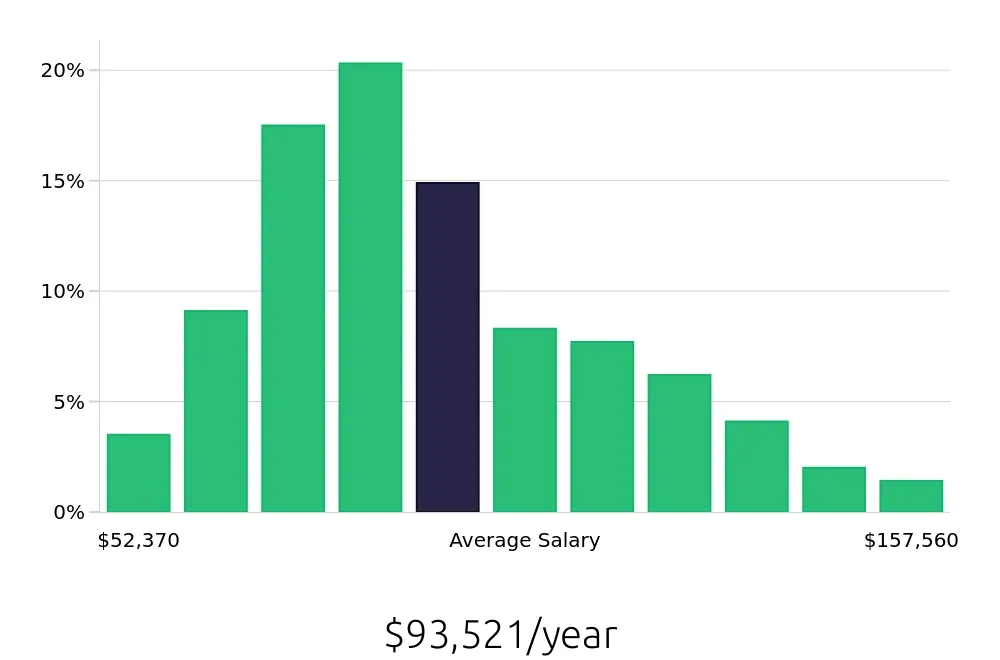
Aside from a stable job outlook, registered nurses enjoy competitive compensation. The average national annual salary for RNs is $94,480, with hourly pay averaging $45.42. These figures reflect the value placed on the critical work nurses do, ensuring patient care and safety. Such remuneration not only supports a comfortable lifestyle but also offers potential for career advancement and additional specializations.
For job seekers, the combination of numerous job openings, steady growth, and competitive pay make the career of a registered nurse highly attractive. Pursuing a role in nursing offers a rewarding path with both stability and growth potential. Aspiring nurses can look forward to a fulfilling career with ample opportunities to make a significant impact on patient care.
Currently 78,644 Registered Nurse job openings, nationwide.
Continue to Salaries for Registered Nurse