What does a Runner do?
A runner plays a vital role in many operations, ensuring that tasks and messages move smoothly between departments or locations. This position requires quick thinking and a keen eye for detail. A runner might deliver important documents, packages, or equipment. They may also pick up items and bring them to the right place on time. Being a runner means moving efficiently and staying organized. This job is perfect for someone who enjoys being active and likes to meet new people.
Responsibilities of a runner include handling deliveries, maintaining a schedule, and communicating with various departments. This position demands attention to detail and reliability. A runner must ensure that everything they deliver reaches the correct destination on time. They work in different environments, from offices to warehouses. They need to keep track of their routes and manage their time well. Being a runner means staying active and being part of a team. It's an excellent role for those who enjoy dynamic work and value dependability.
The role of a runner is essential for keeping operations running smoothly. They provide a necessary service by ensuring that items and messages are delivered quickly and accurately. This position requires a friendly attitude and the ability to stay focused. Runners often work in busy places, so they must stay calm and work well under pressure. This job is ideal for those who enjoy being on the move and like to help others succeed.
How to become a Runner?
Becoming a runner requires dedication, training, and a commitment to health and fitness. This path can lead to various opportunities, from competitive racing to fulfilling jobs in fitness instruction. Following these steps will help anyone embark on this rewarding journey.
Start by setting clear goals. Know what you want to achieve, whether it is to complete a 5K, a marathon, or to run for health. Clear goals will guide your training and keep you motivated. Next, develop a training plan. Work with a coach or use a reputable app to create a schedule that balances running with rest. Include different types of runs, such as easy runs, tempo runs, and long runs. Also, incorporate strength training to build muscle and prevent injury.
- Start a base training program. Build endurance by running at a comfortable pace for 20-30 minutes, three to four times a week.
- Gradually increase distance. Add 10-20% more distance each week to improve stamina.
- Focus on form and technique. Watch for proper posture and foot strike to avoid injury.
- Rest and recover. Allow your body time to heal by taking rest days and staying hydrated.
- Participate in races or events. Join local runs to gain experience and measure your progress.
Throughout this process, stay committed and listen to your body. Running is not just about speed but also about consistency and enjoyment. With the right plan and dedication, anyone can become a successful runner.
How long does it take to become a Runner?
The journey to becoming a runner can vary. Most runners begin with a passion and a desire to improve their fitness. They often start with short distances and gradually increase their mileage. Many find success in a few months, but some may take longer. Consistent training and dedication play key roles in this timeline.
Factors affecting how long it takes include the runner's current fitness level, age, and how often they train. Beginners might see improvements within weeks. Experienced athletes may focus on racing times or personal records. Setting realistic goals helps in tracking progress. Engaging with a running community can also provide support and motivation, speeding up the journey.
Runner Job Description Sample
We are seeking a dedicated and energetic Runner to assist in the delivery of documents, packages, and other items within our city. The Runner will ensure timely and accurate delivery while maintaining excellent customer service. This role is ideal for someone who thrives in a fast-paced environment and enjoys the challenge of on-the-go logistics.
Responsibilities:
- Deliver documents, packages, and other items to designated locations in a timely and accurate manner.
- Maintain records of all deliveries and keep track of delivery statuses.
- Communicate with clients to confirm delivery details and receive signatures when necessary.
- Operate a vehicle or use public transport to navigate through the city efficiently.
- Handle and safeguard all materials being delivered, ensuring they arrive in perfect condition.
Qualifications
- Valid driver’s license and clean driving record (if operating a vehicle).
- Proven experience in a similar role, preferably in a fast-paced environment.
- Excellent knowledge of the city and its transportation systems.
- Strong time-management skills with the ability to prioritize tasks effectively.
- Good communication skills and the ability to interact professionally with clients.
Is becoming a Runner a good career path?
Working as a runner offers a unique blend of physical activity and essential tasks. Runners often deliver important documents, packages, or other materials between locations. This role requires someone who can manage time well and work under pressure. Runners may find themselves in various environments, from office buildings to warehouses.
The job has its benefits and challenges. On the positive side, runners can stay active on their feet, which is great for health. They often have flexible hours and the chance to meet different people. However, the job can be demanding. Long hours and exposure to the elements are common. Additionally, the role may require lifting heavy items, which can strain the body.
- Pros:
- Stay active and healthy
- Flexible working hours
- Opportunities to interact with many people
- Cons:
- Long and sometimes irregular hours
- Exposure to weather conditions
- Physical strain from lifting and carrying items
What is the job outlook for a Runner?
The job outlook for runners looks promising for job seekers. Each year, the U.S. Bureau of Labor Statistics (BLS) reports an average of 15,500 job positions for runners. This number has shown a steady trend, with a small expected increase of 0.6% from 2022 to 2032. Job seekers can look forward to a stable number of opportunities in this field.
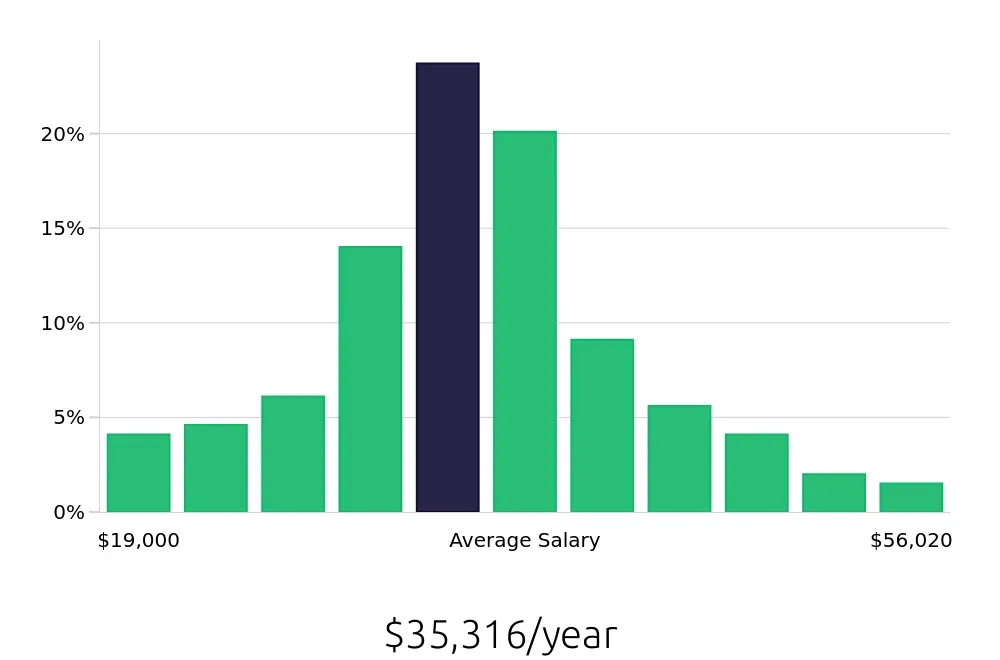
Runners enjoy a competitive average annual salary, according to the BLS. The average national annual compensation stands at $38,790. Hourly, the average compensation is $18.65. These figures make the role of a runner attractive to those considering this career path. Job seekers can expect reasonable earnings in this profession.
When considering job growth and compensation, the BLS provides valuable insights. The steady growth in job openings and a solid average salary make running a viable career option. Job seekers can rely on these figures when planning their career moves. With an average of 15,500 positions annually and a modest growth forecast, the field of running offers a stable job market.
Currently 367 Runner job openings, nationwide.
Continue to Salaries for Runner