What does a School Psychologist do?
A School Psychologist plays a crucial role in supporting students' academic and emotional growth. This professional works within schools to help students overcome challenges that may affect their learning. They collaborate with teachers, parents, and other school staff to create a supportive environment for all students. A School Psychologist conducts assessments to understand students' needs and develops intervention plans to address learning, behavior, and social issues.
Responsibilities of a School Psychologist include individual and group counseling, crisis intervention, and consultation with teachers and parents. They also work on developing and implementing programs that promote mental health and well-being. This role requires strong communication skills, empathy, and the ability to work with diverse populations. A School Psychologist's goal is to ensure that every student has the opportunity to succeed academically and socially.
How to become a School Psychologist?
Becoming a school psychologist involves several key steps. It is a rewarding career that requires dedication and the right qualifications. Aspiring school psychologists should follow a structured path to enter this field.
First, earn a bachelor's degree in psychology or a related field. This provides the foundational knowledge needed for further studies. Next, complete a master's degree program in school psychology. This degree should include supervised practice and coursework in areas like child development and educational psychology. Then, gain experience through internships or working in a school setting. This hands-on experience is crucial to understanding the practical aspects of the role. After completing the degree, obtain a state license. Each state has different requirements, so it is important to research and meet these criteria. Lastly, consider pursuing a doctoral degree for advanced positions or research opportunities.
Following these steps can lead to a successful career as a school psychologist. Each step builds on the previous one, ensuring a solid foundation in both theory and practice.
- Earn a bachelor's degree in psychology or a related field.
- Complete a master's degree program in school psychology.
- Gain experience through internships or work in a school setting.
- Obtain a state license.
- Consider pursuing a doctoral degree for advanced opportunities.
How long does it take to become a School Psychologist?
Becoming a school psychologist takes dedication and a clear path. It usually involves several steps. First, a person needs a bachelor's degree. This takes about four years. The degree should be in psychology or a related field. After this, the next step is a master's degree. This usually takes two more years. During this time, students gain hands-on experience and learn more about psychology.
Finally, the individual must complete a doctoral program. This can take three to five years. During this time, they must complete internships and supervised practice. After all education is complete, one must get licensed. This involves passing exams and meeting state requirements. Overall, the journey can take between six to nine years. It provides the skills and knowledge to support students in schools.
School Psychologist Job Description Sample
A School Psychologist is responsible for supporting students' mental and emotional well-being within the educational environment. They work closely with educators, parents, and other professionals to create supportive learning environments and address students' academic, social, and emotional needs.
Responsibilities:
- Conduct psychological assessments and evaluations to identify students' strengths and needs.
- Collaborate with teachers, administrators, and parents to develop and implement individual education plans (IEPs) and behavioral intervention plans.
- Provide counseling and support to students dealing with personal, social, or academic challenges.
- Conduct group and individual counseling sessions to address issues such as anxiety, depression, bullying, and grief.
- Monitor students' academic progress and provide recommendations for interventions and accommodations.
Qualifications
- A Master's or Doctoral degree in School Psychology or a related field.
- State licensure or certification as a School Psychologist.
- Experience working in a school or educational setting is highly desirable.
- Strong understanding of child development, mental health, and educational psychology.
- Excellent communication and interpersonal skills to effectively collaborate with students, parents, and staff.
Is becoming a School Psychologist a good career path?
A career as a school psychologist offers many rewarding opportunities. School psychologists work with students, teachers, and parents to create a supportive learning environment. They help students with emotional and mental health issues. This role allows for meaningful interactions with young people every day. It involves assessing student needs and providing interventions. Working in a school setting can be fulfilling for those who want to make a difference in children’s lives.
Choosing this career path comes with both benefits and challenges. Understanding these can help individuals decide if it is the right fit for them. Here are some pros and cons to consider.
- Pros:
- Impact on students’ lives: School psychologists play a key role in helping students succeed academically and emotionally.
- Stable job market: There is a steady demand for school psychologists in many areas.
- Collaborative work: This job involves working closely with teachers, parents, and other school staff.
- Flexible schedule: School psychologists often have a schedule that follows the school calendar, with summers off.
- Cons:
- Emotional demands: Dealing with students’ emotional issues can be challenging and stressful.
- Workload: The job can be demanding, with many responsibilities and deadlines.
- Limited autonomy: School psychologists must often follow guidelines set by the school district.
- Varied pay: Salaries can vary widely depending on the location and level of experience.
What is the job outlook for a School Psychologist?
The job outlook for School Psychologists looks bright for those interested in this rewarding career. With an average of 12,800 job positions opening each year, according to the Bureau of Labor Statistics (BLS), this role remains in high demand. Job seekers can expect a 6.1 percent growth in opportunities from 2022 to 2032. This trend reflects an increasing recognition of the importance of mental health support within educational settings.
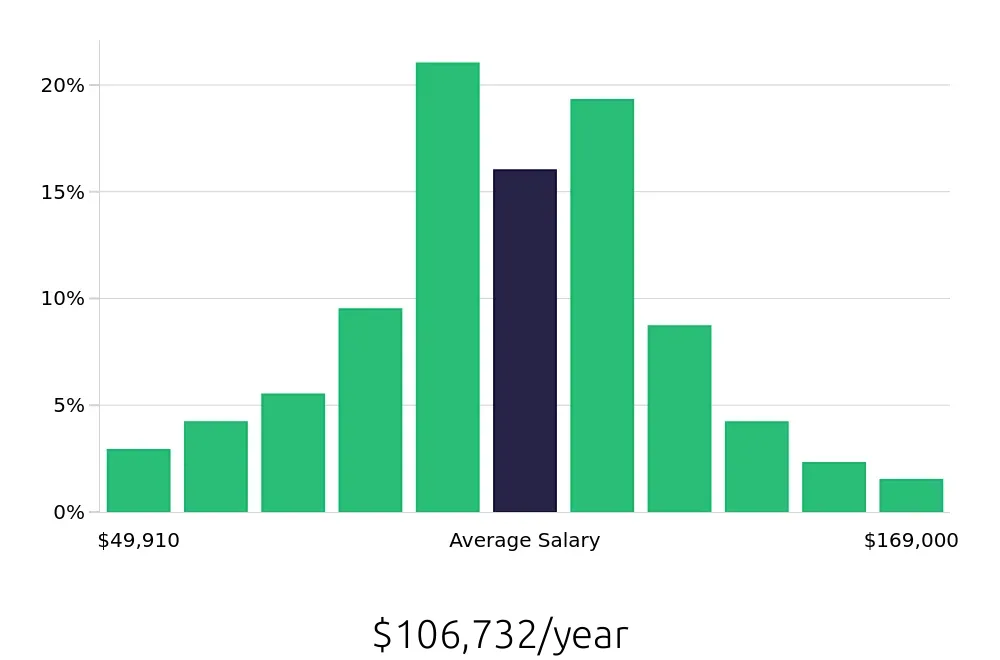
School Psychologists enjoy a competitive average annual salary of $101,170. This figure highlights the value placed on their expertise in helping students navigate emotional and developmental challenges. Additionally, the average hourly wage stands at $48.64, making this a lucrative field for those with the right qualifications and skills. These figures provide a strong incentive for career-minded professionals to consider a path in school psychology.
Aspiring School Psychologists can look forward to a stable and growing job market. With the ongoing emphasis on student well-being and mental health in schools, the demand for skilled professionals in this area is set to rise. The combination of job security and a rewarding salary makes this career path an excellent choice for those looking to make a difference in the lives of young people.
Currently 1,007 School Psychologist job openings, nationwide.
Continue to Salaries for School Psychologist