What does a Seafood Clerk do?
A Seafood Clerk plays a vital role in the seafood department of a grocery store or market. They ensure that the seafood section is well-stocked and that products are fresh and appealing to customers. This role involves checking the quality of seafood, organizing the display, and assisting customers with their seafood needs. Attention to detail and a passion for quality products are key in this position.
Daily tasks may include inspecting seafood deliveries for freshness, removing expired or spoiled products, and properly labeling items with price and weight information. A Seafood Clerk also assists customers by answering questions about the types of seafood available, providing cooking suggestions, and ensuring that all seafood meets safety standards. This role requires a friendly demeanor and the ability to work efficiently in a fast-paced environment.
Key responsibilities of a Seafood Clerk can be summarized as:
- Ensuring seafood products are fresh and well-stocked
- Organizing and maintaining the seafood display
- Assisting customers with their seafood needs
- Inspecting seafood for quality and freshness
- Removing spoiled or expired seafood
- Labeling items with accurate information
How to become a Seafood Clerk?
Becoming a seafood clerk can be a rewarding career choice. This role offers a unique chance to work with fresh products and serve customers. Follow these steps to start your career in this field.
First, consider the skills needed for this job. A seafood clerk needs to know about different types of seafood, how to store it properly, and how to prepare it for sale. Gaining experience in a grocery store or a similar retail environment can be helpful. Next, look for job openings in local stores, fish markets, or supermarkets. Apply to positions that match your skills and interests. Tailor your resume to highlight relevant experience and skills. Include any customer service experience and your ability to handle perishable goods.
To increase your chances of getting hired, follow these steps:
- Research the seafood industry.
- Get the necessary skills and experience.
- Search for job openings.
- Prepare a strong resume.
- Apply for positions and prepare for interviews.
Networking with professionals in the seafood industry can also help. Attend industry events and connect with others on professional networks. Always be ready to learn and adapt. This can help you succeed as a seafood clerk.
How long does it take to become a Seafood Clerk?
Interest in seafood can lead to an exciting career as a seafood clerk. This role involves working with fresh and frozen fish, shellfish, and other seafood items. Seafood clerks help customers find the products they need. They also maintain the quality and freshness of the seafood.
To start a career as a seafood clerk, one does not need advanced education. Many seafood clerks gain skills through on-the-job training. This training typically lasts a few weeks to a couple of months. Employers often provide this training. The duration depends on the complexity of the tasks and the specific store policies. Some clerks may start with basic duties and gradually take on more responsibilities. This can include handling special orders or assisting with inventory management. Regular attendance and attention to detail can help shorten the training period.
Seafood Clerk Job Description Sample
A Seafood Clerk is responsible for maintaining the quality and freshness of seafood products in a retail setting. This role involves assisting customers, managing inventory, and ensuring that seafood products are properly stored and displayed.
Responsibilities:
- Assist customers in selecting seafood products and provide information about the products.
- Receive and unpack deliveries, ensuring that all seafood products are in good condition.
- Monitor and maintain seafood inventory, ensuring products are stocked and rotated properly to minimize waste.
- Ensure seafood products are stored at the correct temperatures to maintain freshness and quality.
- Prepare seafood products for sale by cleaning, scaling, and filleting as required.
Qualifications
- High school diploma or equivalent required; additional education in food service or culinary arts is a plus.
- Experience working in a retail environment, preferably in a seafood or grocery setting.
- Knowledge of seafood products, including types, handling, and storage requirements.
- Strong attention to detail and ability to maintain a clean and organized work area.
- Excellent customer service skills and the ability to assist and engage with customers effectively.
Is becoming a Seafood Clerk a good career path?
A Seafood Clerk works in grocery stores, supermarkets, or fish markets. This role involves displaying and selling seafood to customers. It requires knowledge of different types of fish and other sea products. The job includes tasks such as cleaning fish, wrapping products, and assisting customers. This career path offers hands-on work and interaction with people. It is ideal for those interested in food and customer service.
Working as a Seafood Clerk comes with its own set of benefits and challenges. Here are some pros and cons to consider:
- Pros:
- Opportunities to learn about seafood and different types of fish.
- Interaction with customers, providing a chance to develop communication skills.
- Potential for working in a busy and dynamic environment.
- Opportunities for growth in retail or management roles.
- Cons:
- Exposure to strong odors and physical tasks that can be demanding.
- Possible exposure to allergens, especially for those with seafood allergies.
- Shifts can include early mornings, evenings, weekends, and holidays.
- Limited opportunities for advancement compared to some other retail positions.
What is the job outlook for a Seafood Clerk?
The job outlook for a Seafood Clerk is steady and offers opportunities for dedicated professionals. According to the Bureau of Labor Statistics (BLS), the seafood industry has an average of 41,700 job positions open each year. This consistent demand provides a stable career path for those interested in this role. The BLS predicts a modest 0.1% increase in job openings from 2022 to 2032, indicating a reliable and growing sector.
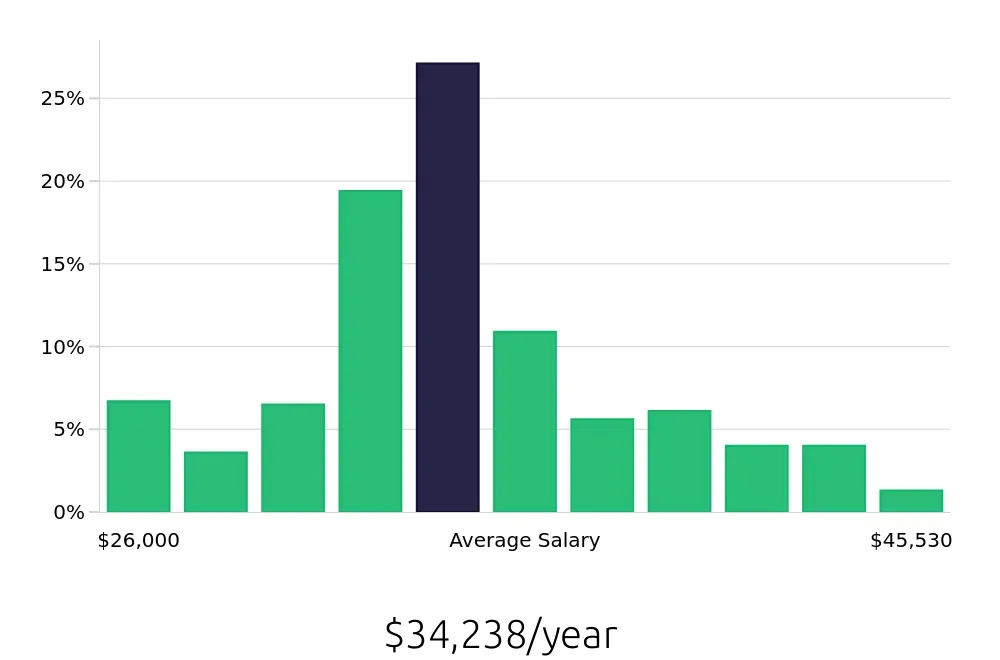
Seafood Clerks enjoy a competitive salary, with an average national annual compensation of $38,350. This compensation reflects the valuable skills and knowledge required to handle seafood products effectively. Additionally, the average national hourly compensation stands at $18.44, which is above the national average for many entry-level positions. This income level offers a respectable standard of living for many professionals.
Those entering the seafood industry can expect to work in a variety of settings, including grocery stores, restaurants, and seafood processing plants. This versatility provides flexibility in career choices and allows for growth opportunities within different environments. Aspiring Seafood Clerks can look forward to a rewarding career with positive job prospects and fair compensation.
Currently 239 Seafood Clerk job openings, nationwide.
Continue to Salaries for Seafood Clerk