What does a Security Manager do?
A Security Manager is responsible for protecting a company's assets, employees, and clients. This role requires a mix of planning, organization, and quick decision-making. The Security Manager evaluates risks and implements strategies to prevent threats. They oversee security staff, coordinate security operations, and ensure all safety protocols are followed. This person must stay updated on the latest security trends and technologies.
The Security Manager also conducts regular audits and assessments to identify vulnerabilities. They work closely with other departments to ensure a safe working environment. This includes training staff on security procedures and emergency response plans. The Security Manager communicates with local law enforcement and other security agencies. They ensure that the company complies with all relevant laws and regulations. This role is crucial in maintaining the safety and security of the company.
How to become a Security Manager?
Becoming a Security Manager involves several steps that build the necessary skills and experience. This path leads to a rewarding career in safeguarding people and assets. Following a structured process increases the chances of success in this role.
The process to become a Security Manager can be outlined in five key steps. Each step builds upon the last, creating a solid foundation for a successful career.
- Gain Relevant Education. Start with a high school diploma or equivalent. Some employers prefer or require a college degree in criminal justice, business, or a related field. Specialized training in security management can also be beneficial.
- Build Experience. Start with entry-level jobs in security or law enforcement. Positions like security guard or police officer provide valuable experience. Aim to gain at least two to three years of experience in the field.
- Obtain Certifications. Earning certifications can enhance job prospects. Consider certifications such as Certified Protection Professional (CPP) or Certified Security Supervisor (CSS). These credentials demonstrate a commitment to the profession.
- Advance in Role. Move into supervisory or managerial positions. Experience in roles such as Security Supervisor or Loss Prevention Manager can prepare for a Security Manager position. Leadership skills and a proven track record in security operations are important.
- Continue Education and Networking. Stay updated on industry trends and best practices. Attend workshops, seminars, and join professional organizations. Networking with peers can lead to job opportunities and industry insights.
How long does it take to become a Security Manager?
To step into the role of a Security Manager, dedication and education often lead the way. On average, it takes several years to prepare for this position. Most managers start with a bachelor’s degree in criminal justice, business administration, or a related field. This educational path usually takes about four years.
Gaining practical experience is a key part of the journey. Many future managers start in entry-level security jobs, working their way up through various roles. This process can take another three to five years. Positions like security officer, loss prevention specialist, or even a security consultant offer valuable experience. Certifications can also help speed up the process. Options include Certified Protection Professional (CPP) or Certified in Security Management (CSM). These certifications may require additional study and testing.
Security Manager Job Description Sample
The Security Manager is responsible for overseeing the security operations and initiatives for an organization. They develop and implement security policies, manage security staff, and ensure the safety of assets and personnel. This role requires a blend of strategic planning, risk assessment, and leadership skills.
Responsibilities:
- Develop, implement, and enforce security policies and procedures.
- Oversee the daily operations of security staff and ensure adherence to security protocols.
- Conduct risk assessments and security audits to identify vulnerabilities and implement corrective actions.
- Collaborate with other departments to integrate security measures into business operations.
- Manage security systems and technologies, including CCTV, access control, and alarm systems.
Qualifications
- Bachelor’s degree in Criminal Justice, Security Management, or a related field.
- Proven experience in a security management role, preferably in a similar industry.
- Certifications such as Certified Protection Professional (CPP) or Certified Information Systems Security Professional (CISSP) are a plus.
- Strong leadership and team management skills.
- Excellent problem-solving and decision-making abilities.
Is becoming a Security Manager a good career path?
A Security Manager plays a crucial role in protecting a company's assets and people. This position involves planning, directing, and evaluating security procedures and personnel. Security Managers work in various settings like businesses, schools, and government agencies. They ensure safety by creating security policies, training staff, and responding to incidents. This career offers a blend of leadership, problem-solving, and vigilance.
Working as a Security Manager comes with its own set of advantages and challenges. Understanding these can help professionals decide if this path suits them.
- Pros:
- Job security: Demand for security professionals grows with increased focus on safety.
- Leadership role: Manage and mentor a security team, gaining valuable experience.
- Variety of settings: Work in diverse environments, from corporate offices to schools.
- Cons:
- High stress: Respond to emergencies and critical situations, which can be intense.
- Long hours: Often work irregular hours, including nights, weekends, and holidays.
- Responsibility: Hold a big responsibility for the safety of people and property.
What is the job outlook for a Security Manager?
Job seekers looking to enter or advance in the field of security management will find the outlook promising. The Bureau of Labor Statistics (BLS) reports approximately 31,400 job positions for Security Managers each year. This role is crucial in ensuring safety and security in various settings, from corporate offices to public events.
The demand for Security Managers is set to grow, with a projected percent change of 5.3% from 2022 to 2032. This growth highlights the increasing need for professionals who can safeguard assets and ensure regulatory compliance. With more businesses and organizations prioritizing their security needs, the opportunities for Security Managers are on the rise.
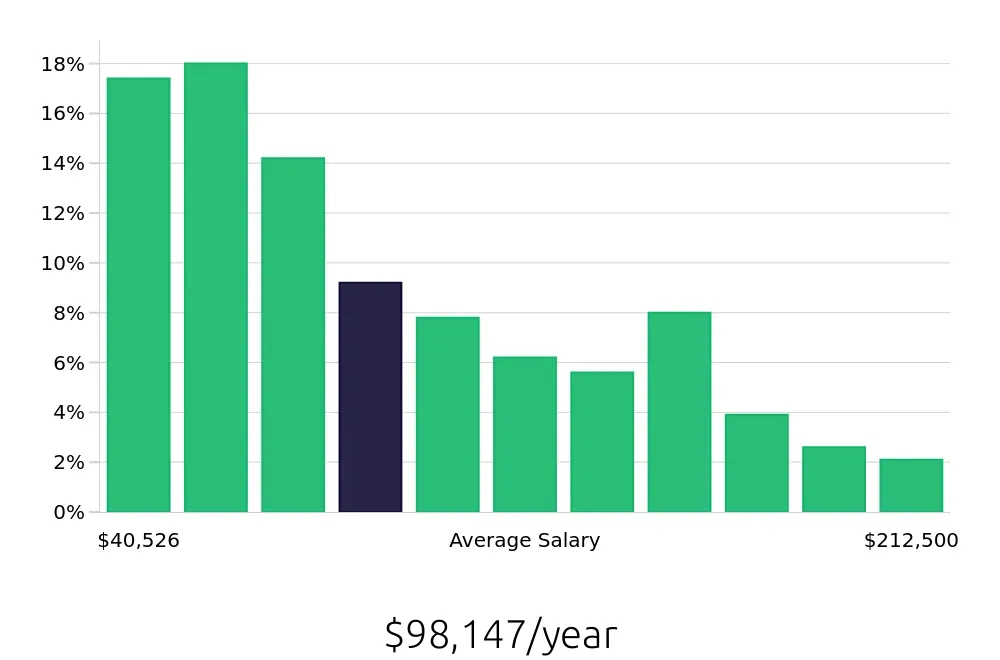
Security Managers can also expect competitive compensation. The average national annual salary stands at $117,650, with an hourly rate of $56.56. These figures reflect the value that organizations place on skilled security professionals who can manage risks and protect their interests effectively.
Currently 659 Security Manager job openings, nationwide.
Continue to Salaries for Security Manager