What does a Service Manager do?
A Service Manager plays a vital role in ensuring smooth operations within a company's service department. They oversee daily activities, supervise staff, and coordinate resources to meet customer needs. The Service Manager ensures that services run efficiently and that customers receive high-quality support. This role involves managing budgets, setting performance goals, and resolving any issues that arise. The goal is to improve service quality and boost customer satisfaction.
Service Managers work closely with different teams to ensure that services are delivered on time and within budget. They handle scheduling, inventory management, and training for service staff. They also gather feedback from customers to identify areas for improvement. By doing so, they help to maintain high standards of service. They act as a bridge between the customer and the company, ensuring that both parties have a positive experience. This role requires strong leadership skills, problem-solving abilities, and a customer-focused mindset.
In summary, a Service Manager is key to maintaining and enhancing the quality of service. They ensure that everything runs smoothly and that customers receive excellent support. This position is ideal for someone who enjoys leading teams, solving problems, and helping others.
How to become a Service Manager?
Becoming a Service Manager requires dedication and the right steps. This career path offers opportunities for growth and leadership in various industries. This section outlines the process to become a Service Manager, ensuring you are well-prepared for success.
The journey to becoming a Service Manager involves several key steps. Each step is crucial to building the necessary skills and experience. Follow these steps to advance your career effectively.
- Gain Relevant Experience: Start by working in a field related to the services industry. Roles such as customer service representative or team leader are ideal. This experience helps you understand customer needs and service operations.
- Pursue Higher Education: Consider obtaining a degree in business administration, management, or a related field. This education provides a strong foundation in management principles and practices.
- Develop Leadership Skills: Focus on enhancing your leadership abilities. Take on responsibilities that require you to lead a team or project. Effective communication and decision-making skills are essential.
- Get Certified: Look for certifications that can boost your credentials. Certifications in project management, customer service management, or business administration can make you stand out.
- Apply for Service Manager Positions: Once you have the required experience and skills, start applying for Service Manager roles. Tailor your resume to highlight relevant experience and achievements.
How long does it take to become a Service Manager?
The journey to becoming a Service Manager varies depending on your starting point and career path. If you already have a background in management, the timeline can be shorter. Typically, a bachelor’s degree in business or a related field takes four years. After that, gaining experience in management roles can take two to five years. Some professionals may choose to pursue additional certifications to boost their qualifications. These steps together often take around six to nine years.
For those starting from a different career, the process might take longer. It involves gaining relevant work experience and possibly returning to school to complete a degree. Those who opt for specialized training or certifications can find this route quicker. The key is to focus on building a strong foundation in management skills and customer service. This often leads to quicker career advancement and the opportunity to step into a Service Manager role.
Service Manager Job Description Sample
The Service Manager is responsible for overseeing and directing the operations of the service department to ensure the highest level of customer satisfaction. This role involves managing staff, maintaining quality standards, and implementing efficient service processes to enhance business performance.
Responsibilities:
- Lead, motivate, and manage a team of service staff to achieve performance goals and enhance service quality.
- Develop and implement service policies and procedures to ensure compliance with company standards and regulations.
- Oversee the scheduling and coordination of service activities to ensure efficient use of resources and customer satisfaction.
- Monitor service quality and customer feedback to identify areas for improvement and implement corrective actions.
- Manage budgets and resources to ensure cost-effective operations and financial targets are met.
Qualifications
- Bachelor’s degree in Business Administration, Management, or a related field.
- Proven experience in a service management role, preferably in a similar industry.
- Strong leadership and team management skills.
- Excellent communication and interpersonal skills.
- Ability to analyze data and make informed decisions based on performance metrics.
Is becoming a Service Manager a good career path?
A Service Manager oversees the operations of a service-based business. This role involves coordinating staff, ensuring customer satisfaction, and managing budgets. Service Managers can work in various industries, including healthcare, hospitality, and automotive. They act as a bridge between management and service staff, ensuring smooth business operations.
Service Managers enjoy a range of benefits. They often work in diverse settings and interact with many people, making for a dynamic work environment. Many find satisfaction in helping others and improving service quality. The role also offers opportunities for career growth and higher salaries. However, it can come with challenges. Service Managers must handle difficult situations and tight deadlines, which can be stressful. The job may also require long hours, including evenings and weekends.
Here are some pros and cons to consider if you are thinking about becoming a Service Manager:
- Pros:
- Variety in work settings and industries
- Opportunities to improve customer service
- Potential for career advancement and higher pay
- Dynamic work environment with diverse tasks
Service Managers also face some challenges:
- Cons:
- High-stress situations and tight deadlines
- Long working hours, including evenings and weekends
- Need to manage difficult people and situations
- Responsibility for budget and staff performance
What is the job outlook for a Service Manager?
The role of a Service Manager offers a promising job outlook for those entering or considering this career. According to the U.S. Bureau of Labor Statistics (BLS), there are approximately 24,300 job positions available each year. This steady number indicates a reliable demand for qualified professionals. The BLS also projects a 2.6% increase in job openings from 2022 to 2032, suggesting a positive trend for job seekers in this field.
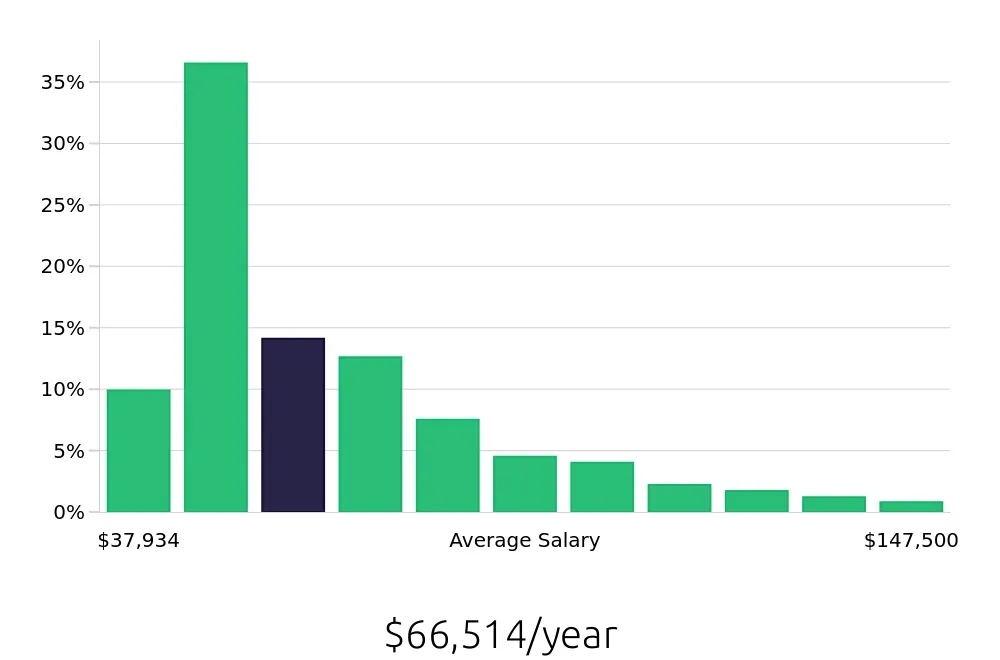
Service Managers can expect a competitive salary, with an average national annual compensation of $53,770, as reported by the BLS. This figure reflects the value placed on skilled managers who can effectively oversee operations and ensure customer satisfaction. Additionally, the average national hourly compensation stands at $25.85, which adds up to a substantial annual income for those working in this role. These figures highlight the financial benefits that come with a career in service management.
Job seekers will find that a Service Manager position provides both stability and growth opportunities. With a consistent number of job openings and a modest projected increase in demand, this career path is well-suited for those looking for a secure job with upward mobility. The attractive compensation package further enhances the appeal of this role, making it an excellent choice for professionals seeking a rewarding career in the service industry.
Currently 3,581 Service Manager job openings, nationwide.
Continue to Salaries for Service Manager