What does a Shift Leader do?
A Shift Leader takes charge of overseeing daily operations during their designated shift. This role involves managing a team of employees, ensuring that tasks are completed efficiently and effectively. The Shift Leader coordinates with staff, delegates duties, and monitors performance to meet department goals. They play a crucial role in maintaining a smooth workflow and addressing any issues that arise during their shift.
The Shift Leader also acts as a liaison between hourly staff and management. They communicate any necessary changes or updates to their team and relay feedback from employees to higher management. This position requires strong leadership skills, attention to detail, and the ability to handle multiple tasks simultaneously. The Shift Leader helps create a positive work environment and ensures that team members feel supported and motivated.
How to become a Shift Leader?
Becoming a Shift Leader offers a rewarding career path with opportunities for growth and responsibility. This role often involves managing team members and ensuring smooth operations during specific shifts. Following a clear process can help individuals achieve this position effectively.
Here are the steps to take:
- Gain relevant experience: Start by working in a similar role, such as a team member or assistant. This experience provides valuable insight into daily operations and team dynamics.
- Develop leadership skills: Work on improving communication, problem-solving, and time management skills. These skills are essential for managing a team effectively.
- Seek a promotion: When the opportunity arises, express interest in a shift leader position to your current employer. Highlight your experience and leadership skills to demonstrate readiness for the role.
- Enhance qualifications: Consider additional training or certifications that can make a strong impression. Programs in management or leadership can be beneficial.
- Network: Connect with current shift leaders and professionals in the field. Seek mentorship and gather insights about the role and industry.
How long does it take to become a Shift Leader?
The timeline to becoming a shift leader varies based on several factors. Most often, a shift leader has several years of experience working in the same field. Some roles may also require formal training or education. On average, it takes about two to five years to gain the necessary experience and skills.
Shift leaders must understand the job role thoroughly. They need to have strong communication skills and the ability to manage a team. Some employers may prefer candidates with a high school diploma or equivalent. Others may look for an associate's or bachelor's degree in a related field. Job seekers can prepare by gaining experience in similar roles and seeking out opportunities for advancement within their current job. Networking and building relationships with current shift leaders can also open doors to new opportunities.
Shift Leader Job Description Sample
The Shift Leader is responsible for overseeing daily operations during their assigned shift, ensuring high-quality customer service and maintaining productivity. They supervise staff, manage resources, and resolve issues as they arise. This role requires strong leadership skills and the ability to work in a fast-paced environment.
Responsibilities:
- Supervise and direct the work of shift staff to ensure efficient operations.
- Monitor and maintain inventory levels, ensuring stock is adequately replenished.
- Ensure compliance with company policies, health and safety regulations, and food safety standards.
- Handle customer inquiries and complaints, providing resolution and maintaining customer satisfaction.
- Train and develop staff, providing guidance and support to improve performance.
Qualifications
- Proven experience in a leadership or supervisory role, preferably in a retail or hospitality setting.
- Strong communication and interpersonal skills.
- Ability to work under pressure and handle multiple tasks simultaneously.
- Knowledge of health and safety regulations and food safety standards.
- Excellent problem-solving and decision-making abilities.
Is becoming a Shift Leader a good career path?
Shift leaders play a crucial role in managing teams and ensuring smooth operations in various industries. This position often involves overseeing a team during a specific shift, which can range from retail to manufacturing. Shift leaders coordinate with staff, handle customer service, and ensure tasks are completed on time. They work closely with upper management to report on team performance and suggest improvements.
Being a shift leader offers several benefits and challenges. Consider these pros and cons before pursuing this career path. Being a shift leader helps develop leadership skills and provides a clear path for career advancement. Shift leaders often enjoy flexible hours and can work weekends and holidays, which some find rewarding. They also have the opportunity to directly impact their team's success and work environment.
However, the role comes with challenges. Shift leaders may face long hours and must remain on their feet for extended periods. The job can be stressful, especially in high-pressure environments. They often handle difficult situations, such as resolving conflicts among team members or addressing customer complaints. Shift leaders need to be adaptable and ready to take on multiple tasks at once.
Here are some pros and cons to consider:
- Pros:
- Develops leadership skills
- Clear path for career advancement
- Flexible work hours
- Opportunity to impact team success
- Cons:
- Long and irregular hours
- Physical demands of the job
- High-stress situations
- Need to handle conflicts and complaints
What is the job outlook for a Shift Leader?
The job outlook for Shift Leaders is promising for job seekers. According to the Bureau of Labor Statistics (BLS), approximately 17,000 new positions are expected annually. This consistent demand offers numerous opportunities for those looking to enter this role. The job market for Shift Leaders shows a positive growth trend, with an expected increase of 6.7% from 2022 to 2032. This growth highlights the importance of this position across various industries.
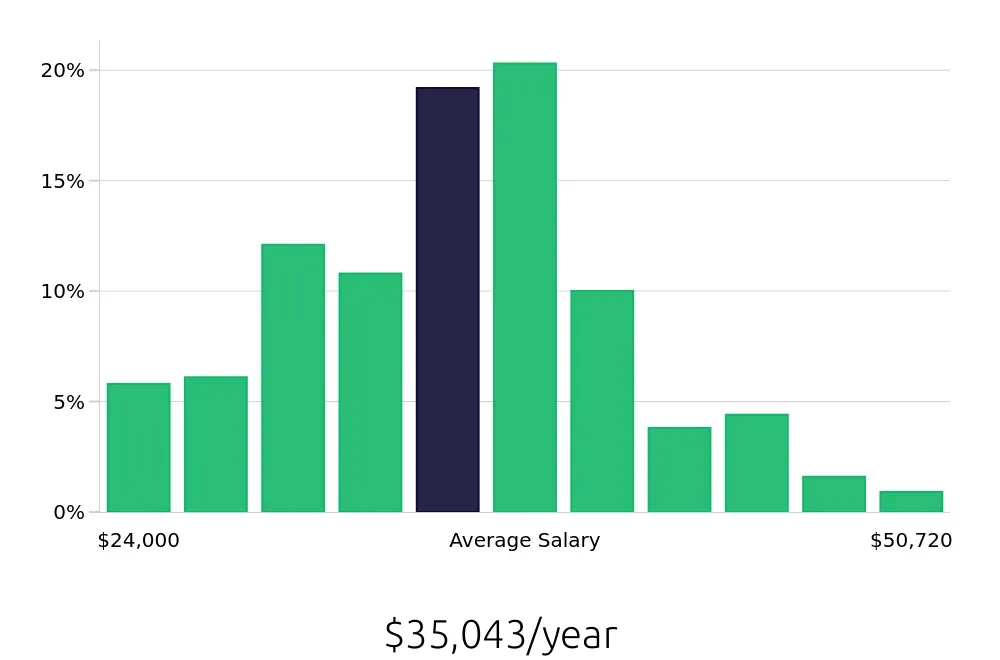
Shift Leaders enjoy a competitive compensation package. The average annual salary stands at $53,190, with hourly wages averaging $25.57. This reflects the value placed on their ability to manage teams and oversee operations effectively. The BLS reports this data, providing reliable information for those considering this career path. With steady demand and good pay, it is an attractive option for many job seekers.
Job seekers benefit from the wide range of industries that employ Shift Leaders. From retail and food service to manufacturing and healthcare, this role is versatile. This diversity means opportunities are available in various sectors. Job seekers can find positions that match their skills and interests, making the path to becoming a Shift Leader accessible and varied.
Currently 6,996 Shift Leader job openings, nationwide.
Continue to Salaries for Shift Leader