What does a Social Services Specialist do?
A Social Services Specialist works to help people in need. They assist with finding resources and support. These specialists often work with individuals who face challenges like poverty, homelessness, or disability. They help connect them with the services they need to improve their lives.
This role involves a lot of direct interaction. Social Services Specialists listen to clients and understand their needs. They provide guidance and support throughout the process. They also coordinate with other organizations to ensure clients get the best help possible. Communication skills are key in this job. Specialists must be empathetic and able to work well with others. They play a crucial part in making a positive difference in people's lives.
How to become a Social Services Specialist?
Becoming a Social Services Specialist offers a rewarding career helping others in need. This profession requires dedication and a set process to ensure success. Here are key steps to follow on this career path.
Firstly, gaining the right education is essential. Most employers prefer candidates with at least a bachelor's degree in social work, psychology, or a related field. This academic background provides the necessary knowledge and skills to understand and address social issues effectively. Additionally, internships during college can offer valuable experience and make the resume stand out.
Next, gaining relevant experience is crucial. Working in social services roles, even on a volunteer basis, can help build experience and demonstrate commitment to the field. Positions such as case manager or community outreach coordinator can be beneficial. Experience in related fields, like counseling or healthcare, can also be valuable.
- Obtain a bachelor's degree in social work or a related field.
- Gain experience through internships or entry-level positions.
- Complete a master's degree in social work if desired or required.
- Obtain necessary certifications and licenses.
- Apply for positions and continue professional development.
A master's degree in social work can enhance qualifications and career opportunities. This advanced degree often includes specialized training and practical experience. It is particularly important for roles that require advanced skills or higher responsibilities. Licensing is another critical step. Many states require social services specialists to be licensed. This involves passing an exam and meeting continuing education requirements.
How long does it take to become a Social Services Specialist?
Pursuing a career as a Social Services Specialist can take varying lengths of time. Many enter the field with a bachelor's degree, which takes about four years to complete. This degree often includes courses in social work, psychology, and sociology. Some choose to gain experience in the field before pursuing higher education, which can take about two years. Continuing education and gaining certifications can further boost qualifications and job prospects.
For those who already hold a bachelor's degree in a related field, a master’s degree in social work (MSW) can take another two years. This advanced degree provides deeper knowledge and practical experience. It often includes internships or fieldwork, helping future specialists gain hands-on experience. Completing an MSW can lead to more opportunities and higher positions in the field. Certifications and continuing education can also help specialists advance in their careers.
Social Services Specialist Job Description Sample
A Social Services Specialist is responsible for providing essential social services and support to individuals and families in need. This role requires a compassionate and knowledgeable professional who can assess needs, develop intervention plans, and connect clients with community resources.
Responsibilities:
- Conduct assessments to determine the needs of individuals and families.
- Develop and implement individualized service plans based on assessment findings.
- Provide counseling and support to clients to help them navigate their challenges.
- Connect clients with community resources, including healthcare, housing, education, and employment services.
- Maintain accurate and up-to-date records of client interactions and progress.
Qualifications
- Bachelor's degree in Social Work, Psychology, Sociology, or a related field. A Master's degree is preferred.
- State licensure or certification in Social Work (e.g., Licensed Clinical Social Worker) is highly desirable.
- Minimum of 2-3 years of experience working in a social services or related field.
- Strong assessment and problem-solving skills.
- Excellent interpersonal and communication skills.
Is becoming a Social Services Specialist a good career path?
Social Services Specialists play a vital role in supporting individuals and families in need. They work in various settings, including government agencies, non-profits, and healthcare facilities. These professionals help people access resources and services to improve their quality of life. They assess needs, connect clients with appropriate services, and provide ongoing support. This career offers the chance to make a real difference in people's lives.
Choosing this path comes with several advantages. First, Social Services Specialists often enjoy job stability. Governments and non-profits typically have ongoing needs for these professionals. Another benefit is the opportunity to impact communities positively. Specialists can help vulnerable populations access essential services, leading to better outcomes for individuals and families. The role also allows for variety. Specialists might work in different areas, such as child welfare, mental health, or disability services, providing diverse experiences and skills.
However, there are also challenges to consider. One major drawback is the emotional toll. Working with individuals facing difficult situations can be stressful and draining. Specialists must handle a high volume of cases, which can lead to burnout. The role often involves long hours, especially when deadlines approach. Additionally, the job requires ongoing education and training to stay current with policies and best practices.
- Pros:
- Job stability in government and non-profit sectors
- Opportunity to positively impact communities
- Variety in work areas and experiences
- Cons:
- Emotional stress from working with vulnerable populations
- Potential for long hours and high caseloads
- Need for ongoing education and training
What is the job outlook for a Social Services Specialist?
Job seekers interested in the field of social services will find a promising outlook. The Bureau of Labor Statistics (BLS) reports an average of 80,500 job positions available each year for Social Services Specialists. This consistent demand highlights the essential role these professionals play in communities. The BLS also projects a 7.9% growth in job openings from 2022 to 2032, indicating a steady increase in opportunities.
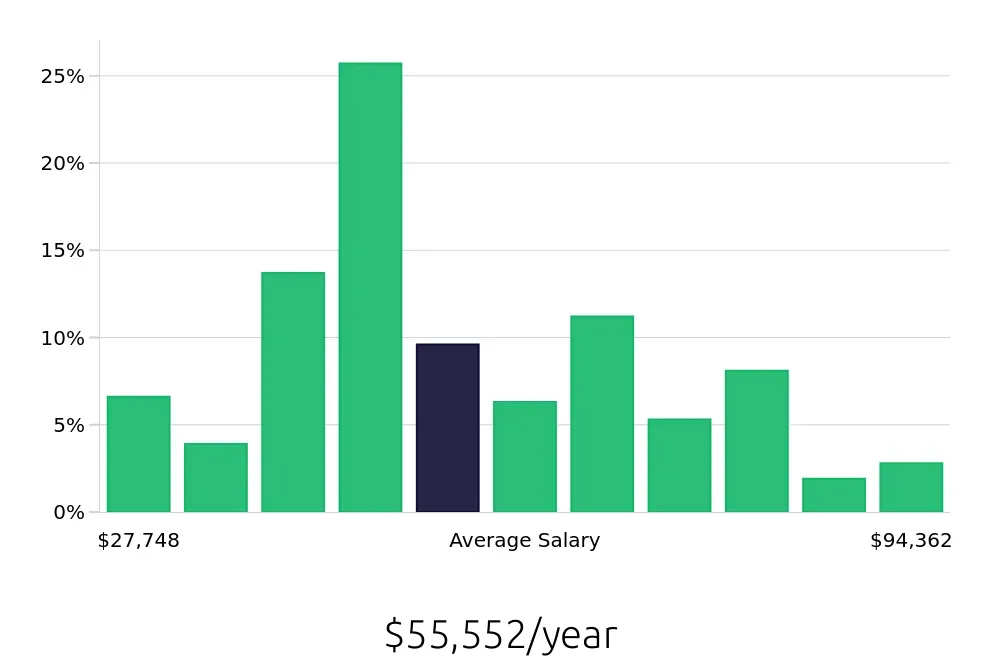
Social Services Specialists can expect competitive compensation as well. The BLS data shows an average national annual salary of $51,210. This figure reflects the value placed on the skills and dedication required for this profession. Additionally, the hourly wage stands at $24.62, offering a clear picture of the financial rewards associated with these roles. Aspiring professionals can look forward to a stable career with good earning potential.
Entering this field means stepping into a role with significant impact. Social Services Specialists help individuals and families in need, providing crucial support and resources. This job outlook offers both job security and the chance to make a positive difference in people's lives. For those passionate about community service, this career path presents a rewarding avenue for professional growth and fulfillment.
Currently 369 Social Services Specialist job openings, nationwide.
Continue to Salaries for Social Services Specialist