What does a Social Worker do?
A Social Worker plays a vital role in helping individuals and communities improve their well-being. They work with people of all ages and backgrounds, offering support and resources. Social Workers help people overcome challenges in their lives. This could include dealing with mental health issues, poverty, or family problems.
To carry out their duties, Social Workers use a variety of skills. They listen carefully, offer guidance, and connect people with the services they need. They also advocate for those who cannot advocate for themselves. This includes working with schools, hospitals, and government agencies to ensure that everyone has access to the support they need.
Key responsibilities of a Social Worker include:
- Assessing client needs
- Developing care plans
- Providing counseling
- Advocating for clients
- Monitoring progress
This role requires empathy, strong communication skills, and the ability to work with diverse populations. Social Workers make a real difference in people’s lives, helping them navigate difficult situations and work towards a better future.
How to become a Social Worker?
Becoming a social worker involves several key steps. This career offers the chance to help others in need. It requires dedication and a passion for making a difference. The journey begins with education and training, followed by gaining practical experience. This process ensures individuals are well-prepared for a rewarding career.
First, obtain a bachelor's degree in social work. This degree provides the foundation needed for a career in social work. Many programs include courses in psychology, sociology, and human behavior. Completing this degree usually takes four years. After earning a bachelor's degree, gaining some experience is important. Look for internships or volunteer opportunities in social work settings. This hands-on experience can be very helpful. It helps to apply what you've learned in real-life situations.
Next, pass a state licensure exam. Each state has its own requirements for social workers. These exams test knowledge of social work practices and laws. Passing the exam is a critical step in becoming a licensed social worker. Additionally, continuing education is often required. This keeps social workers updated on the latest practices and laws. Finally, gain experience in the field. Most social workers start in entry-level positions. Working under a licensed social worker helps to develop skills and knowledge.
Following these steps can lead to a successful career in social work. It is a path that requires commitment but offers the chance to help many people.
The journey to becoming a social worker involves:
- Earning a bachelor's degree in social work
- Gaining practical experience through internships or volunteering
- Passing the state licensure exam
- Continuing education to stay current
- Gaining experience in the field under a licensed social worker
How long does it take to become a Social Worker?
To begin a career in social work, one must first complete a Bachelor's degree in Social Work (BSW). This degree usually takes four years to finish. It covers subjects like psychology, sociology, and human behavior.
After earning a BSW, a person must gain experience by working under a licensed social worker. This supervised experience can take another one to two years. Many states require social workers to complete a certain number of hours of this supervised work. Once enough hours are completed, an individual can take a licensing exam. Passing this exam is the final step to becoming a licensed social worker. This entire process, from starting the BSW to obtaining a license, typically takes five to six years.
Social Worker Job Description Sample
A Social Worker is responsible for providing emotional, mental, and financial support to individuals, families, and communities in need. They work to enhance the overall well-being and quality of life of clients by connecting them with resources and services, offering counseling, and advocating on their behalf.
Responsibilities:
- Provide counseling and support to individuals, families, and groups facing various challenges such as mental health issues, domestic violence, substance abuse, and poverty.
- Develop and implement individualized care plans and intervention strategies to address clients' needs and goals.
- Conduct assessments to determine the eligibility and needs of clients for various services and programs.
- Collaborate with other professionals, such as psychologists, psychiatrists, educators, and law enforcement, to ensure comprehensive care for clients.
- Assist clients in accessing and navigating community resources, including housing, healthcare, employment, and social services.
Qualifications
- Bachelor's or Master's degree in Social Work or a related field.
- State licensure or certification as a Licensed Clinical Social Worker (LCSW) or equivalent, if required by the state.
- Strong interpersonal and communication skills, with the ability to build rapport and trust with clients.
- Empathy, patience, and a genuine desire to help others improve their lives.
- Knowledge of community resources and services available to clients.
Is becoming a Social Worker a good career path?
A career as a Social Worker offers a meaningful path for those looking to help others. Social Workers support individuals, families, and communities in overcoming challenges. They work in settings such as schools, hospitals, and government agencies. Their goal is to improve people's lives and promote social justice. This role requires strong communication skills and empathy. Social Workers often help people in crisis, making it a rewarding but demanding job.
Choosing a career as a Social Worker has many benefits. They have the chance to make a real difference in people’s lives. They can work in many different areas, such as child welfare, healthcare, or mental health. Social Workers can also advance in their careers with more education and experience. They may move into management or specialized roles. However, this job has its challenges. Social Workers often deal with difficult situations and emotional stress. The job can be demanding, both physically and emotionally. They may also face long hours and paperwork.
Consider these pros and cons before choosing this career path:
- Pros:
- Helping others and making a difference in their lives.
- Opportunities to work in various settings and specialties.
- Potential for career advancement with more education and experience.
- Cons:
- Dealing with challenging and emotional situations.
- Potential for long hours and high stress.
- Administrative tasks like paperwork can be time-consuming.
What is the job outlook for a Social Worker?
Social workers play a vital role in supporting individuals and communities. This career path offers a stable job outlook, with the Bureau of Labor Statistics (BLS) reporting an average of 63,800 new job positions each year. This trend is expected to rise by 7.4% from 2022 to 2032, indicating a positive future for those in this profession.
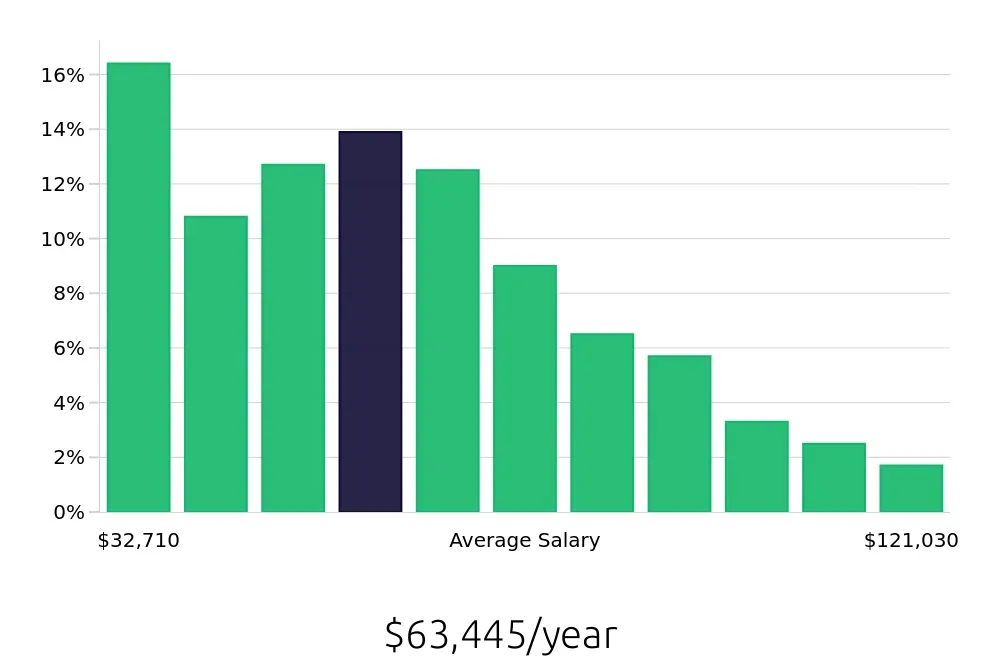
The BLS reports an average annual salary of $62,880 for social workers, with an hourly rate of $30.23. These figures highlight the potential for financial stability in this field. Job opportunities are widespread across various sectors, including healthcare, schools, and community organizations. This variety allows professionals to find roles that match their interests and skills.
Seeking a career that makes a difference? Social work offers both personal fulfillment and professional growth. With a growing demand and a respectable salary, this is a promising field for job seekers. The combination of stable job outlooks and meaningful work makes social work an attractive career choice.
Currently 11,492 Social Worker job openings, nationwide.
Continue to Salaries for Social Worker