What does a Specimen Processor do?
A Specimen Processor plays a vital role in the healthcare industry. They handle biological samples with precision and care. This work supports testing and research. Specimen Processors ensure samples are collected, labeled, and stored correctly. Their attention to detail is crucial for accurate results.
The responsibilities of a Specimen Processor include preparing samples for analysis. They use various tools and follow strict protocols. This role requires a strong understanding of lab procedures. Specimen Processors must follow safety guidelines. They work in hospitals, clinics, and research labs. This position demands accuracy and reliability. Each task they complete helps medical professionals make important decisions.
How to become a Specimen Processor?
Becoming a Specimen Processor involves several steps. It is a job that requires attention to detail and a commitment to accuracy. The work is important in healthcare and science, where samples are used for testing and research.
Here are the steps to follow if you want to pursue this career:
- Get an education: Most employers require a high school diploma or equivalent. Some may ask for additional training in biology or chemistry.
- Gain experience: Working in a lab or healthcare setting helps. Look for internships or volunteer opportunities to get hands-on experience.
- Learn the skills: Develop skills such as handling specimens safely, using lab equipment, and following protocols. Attention to detail is very important.
- Get certified: Certification is not always required, but it can make you more competitive. Look for programs that offer certification in specimen processing.
- Apply for jobs: Search for openings on job boards, company websites, and networking sites. Tailor your resume to highlight relevant skills and experience.
Following these steps can help you start a career as a Specimen Processor. With dedication and the right skills, you can play a key role in scientific research and healthcare.
How long does it take to become a Specimen Processor?
Interested in how long it takes to enter the field of specimen processing? This career involves handling and preparing biological samples for medical tests. The timeline varies based on education and training. Most programs offer certificates in a few months, while some require a year or more for an associate's degree.
Individuals often start with a certificate or diploma program. These programs typically last between three and twelve months. They cover essential skills such as sample collection, labeling, and processing. Some employers may also require additional on-the-job training. This can take a few weeks to a couple of months. A few steps can help ensure a smoother transition into the workforce. Completing a certified program, gaining experience through internships, and obtaining relevant certifications can all make the process faster.
Specimen Processor Job Description Sample
A Specimen Processor is responsible for handling and processing biological specimens in a laboratory setting. This role requires meticulous attention to detail and adherence to strict protocols to ensure the integrity and accuracy of the specimens. The Specimen Processor works in a fast-paced environment and must be able to manage multiple tasks simultaneously while maintaining high standards of quality and safety.
Responsibilities:
- Receive, log, and process biological specimens according to established protocols.
- Handle and store specimens in appropriate conditions to maintain their integrity.
- Prepare specimens for analysis, including labeling, aliquoting, and freezing.
- Maintain accurate and detailed records of all specimen handling and processing activities.
- Operate and maintain laboratory equipment, ensuring it is functioning correctly and performing regular maintenance as required.
Qualifications
- High school diploma or equivalent required; additional education in a related scientific field is preferred.
- Previous experience in a laboratory or healthcare setting is highly desirable.
- Strong understanding of laboratory safety protocols and practices.
- Detail-oriented with the ability to maintain accuracy in a fast-paced environment.
- Excellent organizational and time-management skills.
Is becoming a Specimen Processor a good career path?
A Specimen Processor plays a crucial role in the medical and scientific fields. This career involves handling and processing biological samples for testing and research. Each sample gets logged, stored, and prepared for analysis. This job helps ensure accurate and timely results for healthcare providers and researchers. It requires attention to detail and precision, making it a vital part of the healthcare system.
There are both benefits and challenges to consider in this role. Here are some pros and cons to think about:
- Pros:
- Job stability: There is always a need for Specimen Processors in hospitals and labs.
- Skill development: You will learn how to handle different types of samples and use various lab equipment.
- Supportive role: Your work directly helps in diagnosing and treating patients.
- Opportunity to learn: You can gain knowledge about medical processes and patient care.
- Cons:
- Repetitive work: The job can be routine and involve a lot of hands-on tasks.
- Physical demands: Handling samples can be tiring and may involve bending or lifting.
- Limited advancement: Career growth can be slow without additional training or education.
- Exposure to biohazards: There is a risk of coming into contact with harmful substances.
What is the job outlook for a Specimen Processor?
The job outlook for Specimen Processors looks promising for job seekers. The Bureau of Labor Statistics (BLS) reports an average of 24,000 job positions available each year. This steady demand indicates a stable career path for those in this role. The BLS projects a 4.9% increase in job openings from 2022 to 2032, showing a growing need for skilled professionals in this field.
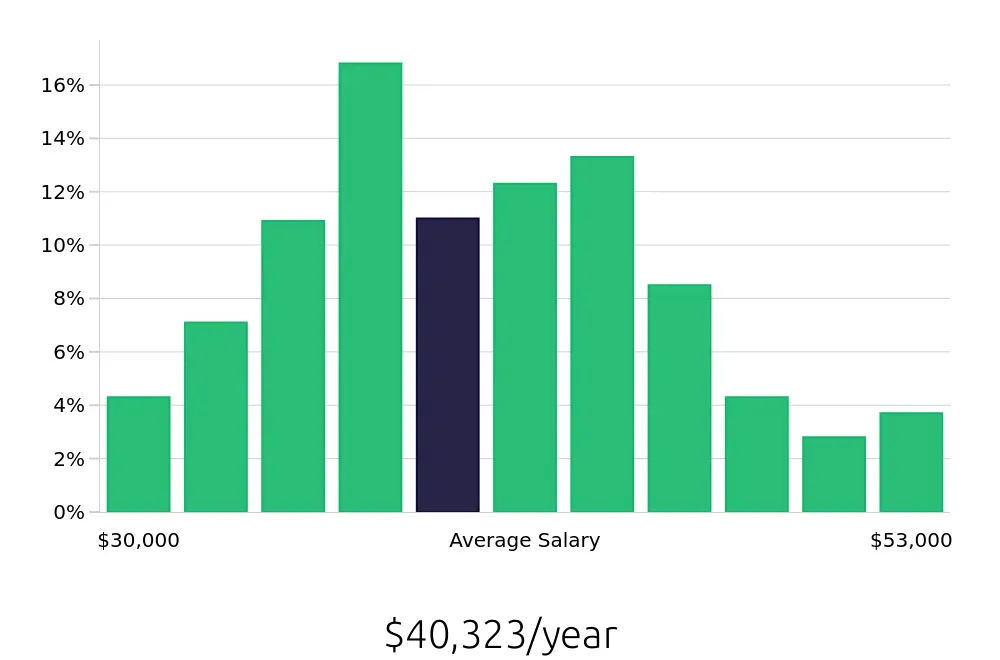
For those considering this career, the compensation is competitive. The BLS reports an average national annual salary of $62,870 for Specimen Processors. This figure reflects the value placed on their crucial work in handling medical samples. Additionally, the average national hourly rate stands at $30.22, providing a clear picture of the financial rewards associated with this profession.
Prospective Specimen Processors will find a growing number of opportunities in the coming years. The data from the BLS highlights a positive trend in job availability and compensation. This makes the role an attractive option for job seekers looking for stability and growth in their career.
Currently 95 Specimen Processor job openings, nationwide.
Continue to Salaries for Specimen Processor