Position
Overview

What does a Surveillance Investigator do?

A Surveillance Investigator plays a crucial role in maintaining security and safety. This professional gathers information by observing people and locations. They work closely with law enforcement and private security teams. Their main goal is to prevent crimes and identify suspicious activities. They use cameras, binoculars, and other tools to watch and record. Their work helps to keep communities safe and secure.


To succeed in this role, a Surveillance Investigator needs strong attention to detail. They must be able to stay focused for long periods. This person should have excellent problem-solving skills. They need to think quickly and act efficiently. Communication skills are also important. They often work in teams and need to share information clearly. Their job requires patience and a commitment to making a positive impact.


Key responsibilities include:

  • Setting up and monitoring surveillance equipment
  • Observing people and activities
  • Documenting findings with notes and recordings
  • Collaborating with law enforcement or security teams
  • Reporting suspicious activities promptly
View Surveillance Investigator jobs nearby

How to become a Surveillance Investigator?

Becoming a Surveillance Investigator is a fulfilling career path. It requires specific skills and education. It combines investigative techniques with technology.

This role involves observing and gathering evidence. Investigators use cameras and other tools. They work to support legal processes. The goal is to provide clear, reliable information. This helps in investigations and legal cases. Here are the steps to start this career.

  1. Get a high school diploma. Most employers require this as the first step. A solid educational foundation is important.
  2. Pursue a degree in criminal justice or a related field. This provides essential knowledge. It covers laws, ethics, and investigative methods.
  3. Gain experience in law enforcement or security. Working in these fields builds practical skills. It helps understand the job’s demands.
  4. Obtain necessary certifications. Some states require specific licenses. Certifications in surveillance technology are also useful.
  5. Start applying for jobs. Use job boards and company websites. Tailor each application to the job description. Highlight relevant skills and experience.

How long does it take to become a Surveillance Investigator?

A Surveillance Investigator typically needs education and training that takes about one to two years. This includes obtaining a high school diploma or GED, followed by relevant courses or a degree program. Many positions also require obtaining a private investigator’s license, which can take a few months to a year, depending on the state. After completing education and training, gaining experience through internships or entry-level jobs is crucial. This practical experience helps new investigators develop the skills needed for the job. The combination of education, training, and experience ensures that a person is well-prepared to work in this field. Employers often look for candidates who have a solid background in law enforcement or related areas.

The journey to becoming a Surveillance Investigator involves several steps, each important for success in this field. Most people start by earning a high school diploma or GED. This is the minimum requirement for entry into the field.

After completing high school, gaining experience helps. Working in related fields such as law enforcement, security, or investigations can be valuable. Some choose to take classes or certifications in areas like criminal justice, security management, or law. These courses can provide useful skills and knowledge. Many employers prefer or require some college education or specific training. The amount of time varies, but typically, it takes about two to four years to gain the necessary experience and education. This path ensures a solid foundation for a career as a Surveillance Investigator.

Surveillance Investigator Job Description Sample

A Surveillance Investigator is responsible for conducting discreet surveillance operations to gather intelligence and evidence for legal purposes. This role requires keen observational skills, attention to detail, and the ability to remain inconspicuous.

Responsibilities:

  • Conduct surveillance operations on individuals or locations as instructed.
  • Operate surveillance equipment such as cameras, audio recorders, and other necessary tools.
  • Document findings through detailed written reports and visual evidence.
  • Collaborate with law enforcement agencies and legal professionals to provide evidence.
  • Monitor and analyze the behavior of individuals under surveillance.

Qualifications

  • High school diploma or equivalent required; additional education in criminal justice or related field is preferred.
  • Previous experience in surveillance, law enforcement, or a related field.
  • Proficiency in operating surveillance equipment and software.
  • Excellent observational skills and attention to detail.
  • Strong written and verbal communication skills.

Is becoming a Surveillance Investigator a good career path?

A Surveillance Investigator plays a critical role in security and intelligence fields. This career involves observing and gathering information to ensure safety and compliance. Investigators may work for law enforcement, private companies, or government agencies. They often use cameras and other monitoring tools to track activities. The goal is to gather evidence for investigations or to prevent crime.

Working as a Surveillance Investigator offers unique advantages and challenges. Understanding both sides can help in deciding if this career suits your skills and interests. Here are some pros and cons to consider:

  • Pros:
    • Opportunities to work in various sectors, such as law enforcement or private security.
    • Potential for overtime pay, especially in high-demand areas.
    • Skills in observation and critical thinking can be very valuable.
    • Chances to advance to higher roles with experience and training.
  • Cons:
    • Long hours, which can include nights, weekends, and holidays.
    • Potential stress from monitoring sensitive activities.
    • Limited interaction with people, leading to feelings of isolation.
    • Risk of repetitive strain injuries from long periods of sitting and watching screens.

What is the job outlook for a Surveillance Investigator?

The job market for surveillance investigators looks promising for job seekers. On average, there are about 3,800 new job openings each year. This steady stream of opportunities makes it an appealing career path. The U.S. Bureau of Labor Statistics (BLS) also projects a 6.1% growth in job openings from 2022 to 2032. This growth rate is faster than many other occupations, indicating a positive job outlook.

Surveillance investigators can expect a competitive salary in this field. According to the BLS, the average national annual compensation for surveillance investigators is $60,270. This figure reflects the value of the skills and expertise required in this profession. Additionally, the average hourly wage stands at $28.98. This compensation makes it a lucrative career choice for those interested in security and investigation.

Given the growth in job opportunities and the attractive salary, pursuing a career as a surveillance investigator is a wise decision. Job seekers can take advantage of these trends to find rewarding positions in this field. The combination of job security and good pay makes surveillance investigation an excellent career path for many professionals.

Currently 745 Surveillance Investigator job openings, nationwide.

Continue to Salaries for Surveillance Investigator

Learn about Surveillance Investigator salaries, top-paying cities, and hiring companies. See how much you could earn!
Position
Salary
Salaries For Surveillance Investigator
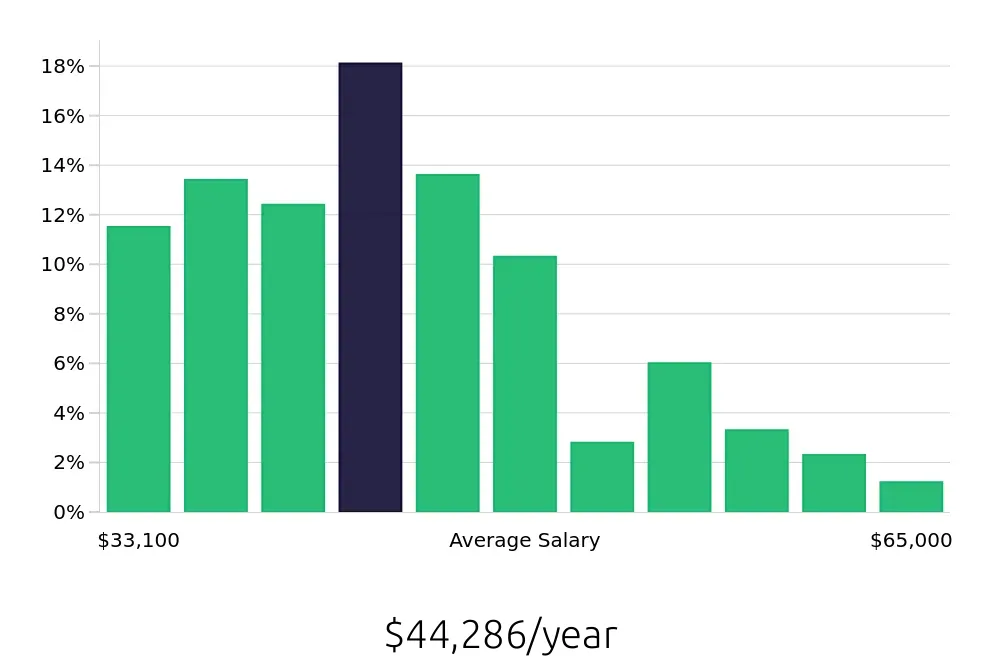
Averge salary $44,394 per year
Graph depicting the yearly salary distribution for Surveillance Investigator positions, showing an average salary of $44,394 with varying distribution percentages across salary ranges.