What does a Trainer do?
A Trainer develops and implements training programs to improve employee skills and knowledge. This role involves assessing training needs, designing curriculum, and facilitating learning experiences. Trainers create lesson plans, conduct workshops, and provide hands-on training sessions. They use various teaching methods to cater to different learning styles. Trainers also evaluate the effectiveness of training programs and make improvements based on feedback.
To excel in this position, a Trainer should have strong communication skills, patience, and a passion for teaching. They need to be knowledgeable in their subject area and stay updated on the latest training methods and technologies. Trainers work in various settings, including corporate offices, educational institutions, and training centers. The goal is to enhance the skills of participants, leading to better performance and productivity. Trainers often collaborate with HR departments to align training programs with organizational goals.
How to become a Trainer?
Becoming a trainer requires dedication, skill, and the right steps. Follow these steps to start a successful career in training. Each step plays a crucial role in preparing a professional trainer.
First, identify the subject matter. Choose a field that you are passionate about and knowledgeable in. This could be something like business skills, technical skills, or personal development. Knowing your area of expertise helps in creating valuable content. Next, gain experience in the field. Work in the industry for several years to understand its ins and outs. Experience builds credibility and provides real-life examples to share. Then, obtain relevant certifications. Look for certifications that validate your expertise and skills. These can be from recognized institutions or professional organizations.
Following these steps sets a solid foundation. Here are five key steps to take:
- Identify the subject matter.
- Gain experience in the field.
- Obtain relevant certifications.
- Develop training materials.
- Start offering training sessions.
Developing training materials is the next step. Create clear and engaging content. This can include presentations, manuals, and interactive activities. Good materials make learning easier and more enjoyable. Finally, start offering training sessions. Begin with small workshops or classes. Gradually build a reputation as a knowledgeable and effective trainer. Networking with other professionals can also open up more opportunities.
How long does it take to become a Trainer?
Training professionals work with individuals or teams to help improve skills and performance. The time to become one varies based on education, experience, and certification. Many trainers start with a bachelor's degree in education, business, or a related field. This typically takes four years of full-time study. Some trainers may choose to pursue a master's degree, which adds another two years of study.
After completing their education, aspiring trainers gain experience through internships, entry-level jobs, or volunteer work. Experience can range from a few months to several years. Certification can also boost a trainer's credentials and career prospects. Programs such as the Certified Professional Trainer (CPT) or the Certified Corporate Trainer (CCT) require additional education and experience. Completing these programs may take from a few months to a couple of years. In total, it often takes between four to six years to become a fully qualified trainer.
Trainer Job Description Sample
We are seeking a dynamic and experienced Trainer to develop and deliver training programs for our team members. The ideal candidate will be adept at creating engaging and effective training sessions that improve skills and knowledge.
Responsibilities:
- Design, develop, and deliver training programs for team members.
- Evaluate training needs and create corresponding training materials.
- Conduct training sessions in various formats, including in-person, virtual, and blended learning.
- Assess the effectiveness of training programs and make necessary adjustments.
- Maintain records of training activities and participant progress.
Qualifications
- Bachelor’s degree in Education, Human Resources, or a related field.
- Proven experience as a Trainer or similar role.
- Strong knowledge of adult learning principles and training methodologies.
- Excellent presentation, communication, and interpersonal skills.
- Ability to create engaging and interactive training materials.
Is becoming a Trainer a good career path?
Training as a career offers many opportunities to inspire and educate others. Trainers help individuals and teams improve their skills and knowledge. This role requires strong communication and teaching abilities. Trainers can work in various settings, including corporate offices, educational institutions, and non-profit organizations. They often enjoy a dynamic work environment and the chance to make a real difference in people's lives.
The career path for a Trainer has its unique set of benefits and challenges. On the positive side, Trainers often find their work rewarding. They get to help people grow and develop. Trainers also have the chance to specialize in a variety of subjects. This allows them to find their niche and excel in it. Another advantage is the flexibility that some Trainers enjoy. Many can choose their own hours and even work remotely. However, the path is not without its challenges. Trainers must stay updated on the latest trends and techniques in their field. They also need to be excellent at managing their time and resources.
When considering a career as a Trainer, it is important to weigh the pros and cons carefully. Below are some key points to think about:
- Pros:
- Helping others grow and succeed
- Flexibility in work hours and location
- Opportunities to specialize in different areas
- Cons:
- Need to continuously update skills and knowledge
- Can be demanding in terms of time management
- May face challenges in keeping participants engaged
By understanding these points, job seekers can make a more informed decision about pursuing a career as a Trainer.
What is the job outlook for a Trainer?
Job seekers interested in training roles will find a stable and growing field. The U.S. Bureau of Labor Statistics (BLS) reports about 35,400 job positions available each year for trainers. This figure points to a steady demand across various industries. The outlook from 2022 to 2032 shows a positive job opening growth of 6.3%. This trend suggests more opportunities for those entering the training sector.
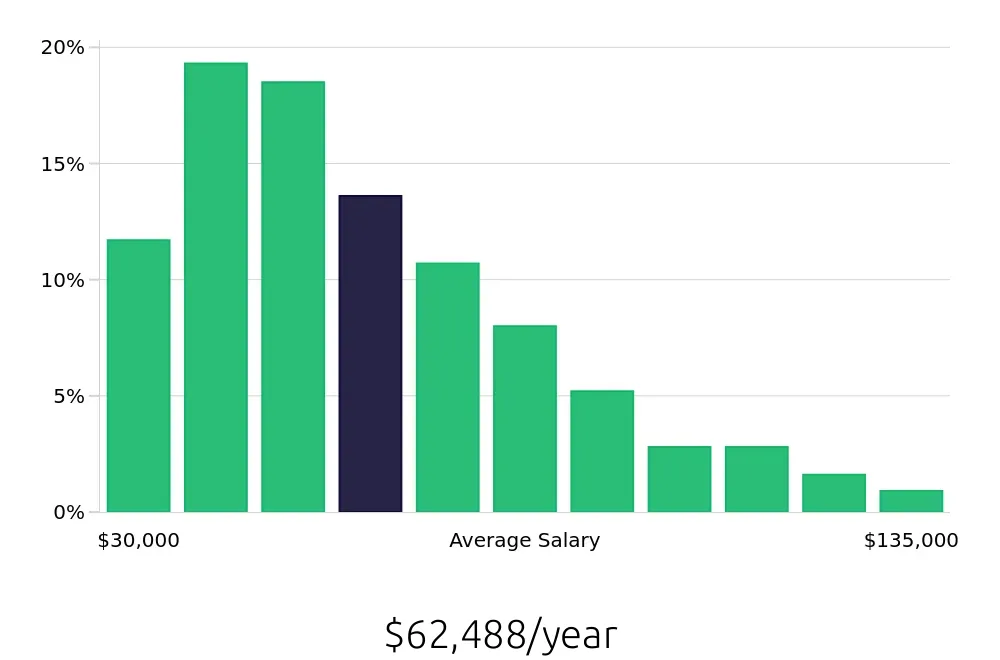
A career as a trainer is not only secure but also rewarding. The average national annual compensation stands at $71,980. This figure highlights the value employers place on skilled trainers. Additionally, the hourly compensation rate is $34.6, reflecting the specialized skills and knowledge trainers bring to their roles. These figures make a career in training both financially and professionally attractive.
For job seekers, the training field offers a path with growth and stability. With consistent job openings and a positive outlook, becoming a trainer can be a smart career choice. The combination of a steady demand and competitive compensation makes this field appealing to those looking for a rewarding job.
Currently 2,664 Trainer job openings, nationwide.
Continue to Salaries for Trainer