What does a Transportation Manager do?
A Transportation Manager leads the logistics of a company's goods movement. This person coordinates the shipping, receiving, and storage of products. They ensure timely deliveries and manage transportation budgets. Transportation Managers work closely with suppliers, carriers, and warehouse teams. They use software to track shipments and optimize routes. This role requires strong organizational skills and attention to detail.
Transportation Managers also focus on cost efficiency. They analyze shipping costs and find ways to reduce expenses. They may negotiate with carriers for better rates. They also review transportation policies to improve efficiency. This position involves problem-solving and decision-making. Transportation Managers ensure the smooth flow of goods from suppliers to customers. They play a key role in the supply chain process.
How to become a Transportation Manager?
Becoming a Transportation Manager offers an exciting career path for those interested in logistics and supply chain management. This role involves overseeing the movement of goods and coordinating transportation operations. The journey to this position is straightforward and achievable with the right steps.
Start by gaining a solid educational foundation. Most employers prefer candidates with at least a bachelor’s degree in logistics, supply chain management, or a related field. Relevant coursework in transportation, logistics, and business management can provide a strong background. Consider pursuing a degree that includes internships or cooperative education programs to gain practical experience.
- Obtain Relevant Education: Aim for a bachelor’s degree in logistics or a related area. Look for programs that offer hands-on experience through internships.
- Gain Experience: Work in entry-level positions within logistics, supply chain, or transportation. Experience can help you understand the industry better.
- Develop Key Skills: Focus on building skills like problem-solving, communication, and leadership. These skills are essential for managing teams and operations.
- Pursue Certifications: Obtain professional certifications such as the Certified Supply Chain Professional (CSCP) or the Certified Transportation Professional (CTP). These can enhance your resume and demonstrate your expertise.
- Advance in Your Career: Aim for promotions within your organization or seek higher-level positions in transportation management. Networking and continuous learning can help you reach your career goals.
How long does it take to become a Transportation Manager?
The journey to becoming a Transportation Manager can vary. Most positions require at least a bachelor's degree in logistics, business, or a related field. A degree program typically lasts four years. Some roles may consider candidates with an associate's degree and relevant work experience. On-the-job training adds valuable skills and experience, enhancing job readiness.
Transportation Managers often start in entry-level positions to gain experience. This may include roles like logistics coordinator or dispatcher. With time, they move up to more advanced positions. On average, it takes about two to four years of entry-level work to qualify for a Transportation Manager role. This timeline can change based on the industry and company. Experience and a strong performance record speed up the process.
Transportation Manager Job Description Sample
The Transportation Manager will oversee the transportation operations of our company, ensuring efficient and timely delivery of goods. This role requires strong leadership skills, a deep understanding of logistics, and the ability to optimize transportation processes to reduce costs and improve delivery times.
Responsibilities:
- Oversee the planning, implementation, and control of transportation operations.
- Develop and implement transportation policies and procedures to optimize efficiency and cost-effectiveness.
- Coordinate with suppliers, carriers, and other stakeholders to ensure timely delivery of goods.
- Analyze transportation data to identify areas for improvement and implement solutions.
- Manage a team of transportation specialists and coordinate with other departments to ensure seamless operations.
Qualifications
- Bachelor's degree in Logistics, Transportation, Business Administration, or a related field.
- Proven experience in transportation management, preferably in a logistics or supply chain environment.
- Strong knowledge of transportation regulations and industry best practices.
- Excellent leadership and team management skills.
- Strong analytical and problem-solving skills.
Is becoming a Transportation Manager a good career path?
A Transportation Manager plays a crucial role in ensuring the smooth movement of goods and materials. They oversee logistics, manage budgets, and coordinate with various teams. This role involves planning delivery schedules, optimizing routes, and ensuring timely delivery. Companies in industries like manufacturing, retail, and logistics often seek Transportation Managers.
This career offers a mix of challenges and rewards. It allows for problem-solving and decision-making on a daily basis. Working with logistics teams and suppliers also offers great networking opportunities. However, it can be a demanding job with long hours, especially during peak seasons. Transportation Managers must also adapt to changes in technology and regulations.
Here are some pros and cons to consider:
- Pros:
- Opportunities for growth and advancement
- Collaboration with various departments
- Critical role in business operations
- Cons:
- Long hours, especially during busy periods
- Need to stay updated with technology and regulations
- High-pressure situations
What is the job outlook for a Transportation Manager?
Job seekers aiming to become Transportation Managers have reasons to be optimistic. The Bureau of Labor Statistics (BLS) reports around 15,900 job openings per year for Transportation Managers. This number shows a healthy demand for these roles. With an expected growth rate of 8.2% from 2022 to 2032, the outlook looks bright. Those who pursue this career can expect more opportunities in the coming years.
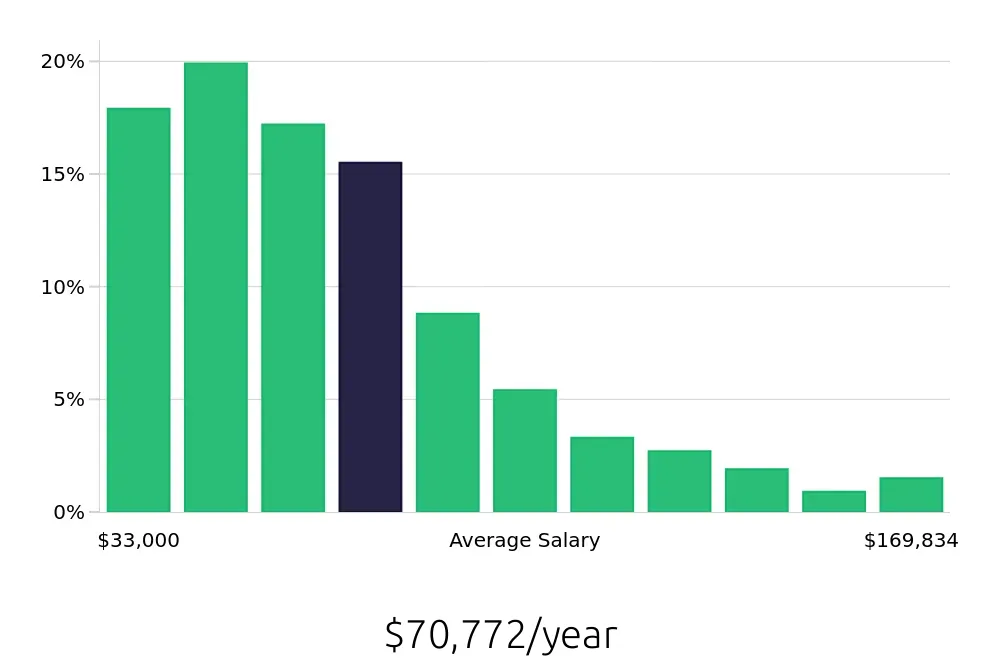
Transportation Managers earn a competitive salary as well. The average national annual compensation stands at $111,870, according to the BLS. This figure highlights the value companies place on skilled professionals in this field. Hourly compensation also averages $53.79, reflecting the high demand for experienced Transportation Managers. These figures make this career path attractive for those seeking financial stability.
Interested job seekers should leverage these positive trends. They can enhance their qualifications through relevant education and experience. The growing demand and strong compensation packages make this a rewarding career path. With the right approach, job seekers can successfully enter the field of Transportation Management.
Currently 1,886 Transportation Manager job openings, nationwide.
Continue to Salaries for Transportation Manager