Position
Overview
A Transporter is responsible for moving goods and materials from one location to another. This job requires understanding schedules and ensuring timely deliveries. The Transporter drives vehicles and operates machinery to load and unload goods. They must follow safety guidelines to protect themselves and the cargo.
Transporters keep detailed records of deliveries and any issues that occur. They may need to communicate with other team members or customers to coordinate pick-ups and drop-offs. Attention to detail and a commitment to safety are key for this role. A Transporter ensures that everything arrives on time and in good condition.
Becoming a transporter involves several steps that ensure one is well-prepared for the job. This profession requires a combination of legal, practical, and personal skills. By following these steps, a professional job seeker can successfully enter the transportation industry.
First, start by researching the requirements. Each state has its own set of rules and regulations. A transporter must hold a valid Commercial Driver’s License (CDL). This involves taking a written test and a driving test. Next, consider the type of transporter one wants to be. Choices include moving goods, people, or both. Choose a specialization to focus the job search and training.
Entering the transportation industry offers rewarding career options. It involves moving goods from one place to another. Some transporters drive trucks, while others manage logistics. Each role has its own pathway and timeline.
To become a truck driver, one must first get a commercial driver’s license (CDL). This process can take about three to four months. It involves classroom instruction and behind-the-wheel training. After getting the CDL, new drivers often start with entry-level jobs. They can gain experience and move up. Logistics managers may start with a bachelor’s degree. This degree usually takes four years. Experience in transportation helps them advance. Roles in logistics focus on planning and overseeing the movement of goods.
Overall, the journey to becoming a transporter can vary. It depends on the specific career path. Those who aim to drive trucks can start quickly. Those who want to manage logistics may need more education. Each step builds skills and experience. The transportation industry offers many opportunities for growth and success.
The Transporter will be responsible for safely and efficiently transporting goods and materials from one location to another. This role involves operating company-owned or leased vehicles to deliver products and ensure timely and accurate delivery.
Responsibilities:
Qualifications
Working as a transporter involves driving and delivering goods across various locations. This career can be both rewarding and demanding. Transporters often enjoy the freedom of driving long distances and the satisfaction of delivering essential items. However, they must also face the challenges that come with the job.
Consider these pros and cons before choosing this career path. The advantages include:
Yet, it is essential to be aware of the potential downsides:
Transporters play a crucial role in moving goods from one location to another. Job seekers interested in this field will find it rewarding and promising. According to the Bureau of Labor Statistics (BLS), there are approximately 214,400 positions available each year. This number shows a steady demand for skilled transporters. The job outlook remains positive, with a projected percent change in openings from 2022 to 2032 of 4.2%. This growth indicates a stable career path for those entering the transportation industry.
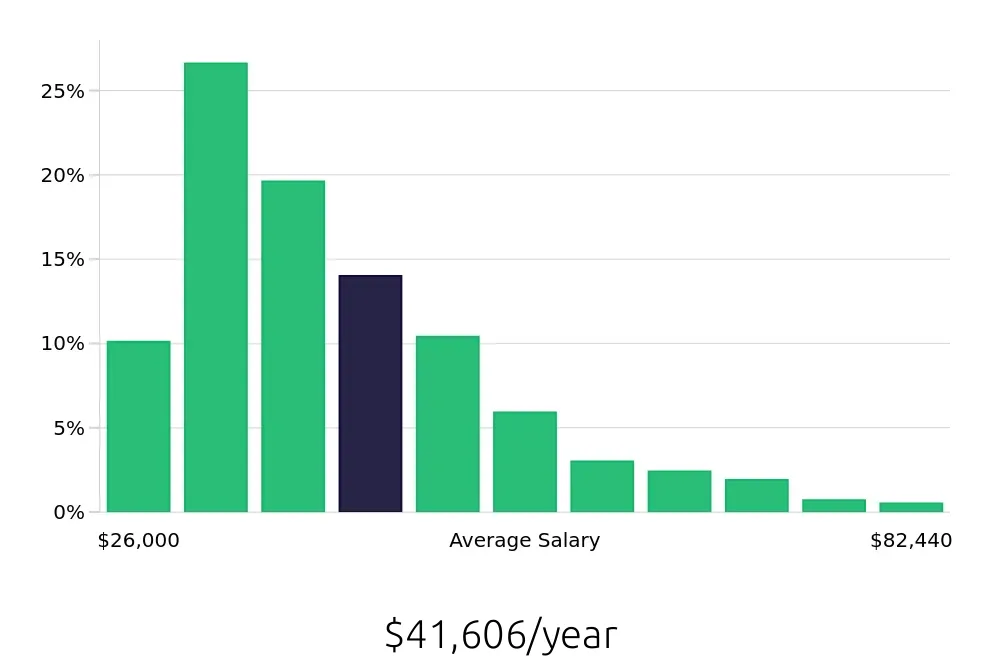
The transportation sector offers diverse opportunities, making it an attractive choice for job seekers. Transporters can work in various settings, from warehouses to delivery services. This flexibility helps workers find roles that match their skills and preferences. The average national annual compensation for transporters is $39,600, as reported by the BLS. For hourly workers, the average rate is $19.04 per hour. These figures reflect the potential earnings and financial stability that transporters can expect.
Transporters benefit from clear career advancement opportunities. With experience and additional certifications, individuals can move into higher-paying roles or specialized positions. This progression allows for professional growth and increased job satisfaction. Job seekers in this field can look forward to a stable job market, competitive wages, and the chance to advance their careers.