What does a Yard Attendant do?
A Yard Attendant plays a vital role in the smooth operation of a facility's yard or warehouse. This position ensures all materials, equipment, and vehicles are moved efficiently and safely. The Yard Attendant coordinates with drivers and staff to manage logistics and maintain order. Key tasks include operating forklifts and other equipment, loading and unloading cargo, and maintaining cleanliness in the yard area.
This role requires attention to detail and strong organizational skills. The Yard Attendant must follow safety protocols to protect both themselves and others. They keep records of inventory movements and report any discrepancies to supervisors. Effective communication is essential to coordinate with the team and ensure tasks are completed on time. The position demands physical stamina and the ability to work in various weather conditions. Successful Yard Attendants contribute to the overall efficiency and productivity of the yard operations.
How to become a Yard Attendant?
Becoming a Yard Attendant offers a rewarding opportunity in the logistics industry. This role involves overseeing and managing yard operations, ensuring the safe and efficient movement of materials. Here’s a clear guide to help someone achieve this position.
Follow these steps to start a career as a Yard Attendant:
- Obtain a High School Diploma or GED: A basic education is essential. Most employers require at least a high school diploma or equivalent.
- Gain Relevant Experience: Look for entry-level positions in logistics, transportation, or warehousing. Experience in these areas provides valuable skills and knowledge.
- Learn Safety Procedures: Safety is a priority. Attend training sessions on yard safety, including the proper use of equipment and emergency protocols.
- Get Certified if Needed: Some companies may require certifications. Look into certifications for forklift operation or hazardous materials handling.
- Apply for Yard Attendant Positions: Prepare a strong resume and cover letter. Highlight relevant experience and skills. Apply to local companies or job boards.
With dedication and the right qualifications, one can successfully start a career as a Yard Attendant. This role provides the chance to work in a dynamic environment, ensuring smooth yard operations.
How long does it take to become a Yard Attendant?
Understanding the timeline for becoming a Yard Attendant helps job seekers plan their career steps. Generally, this role requires a basic level of education and some on-the-job training. Most employers prefer candidates with a high school diploma or GED. They also value some experience in logistics or transportation. This training typically takes a few weeks to a few months, depending on the employer's requirements and the complexity of the tasks.
The actual training process often includes both classroom learning and hands-on practice. Classroom sessions cover essential topics like safety regulations, equipment operation, and logistics management. Hands-on training happens on the job, where new employees learn to handle various materials and navigate the yard. This dual approach ensures that new yard attendants gain both the knowledge and skills needed for the job. Employers often provide this training during a probationary period, which can last several weeks to a few months.
Yard Attendant Job Description Sample
A Yard Attendant is responsible for ensuring the safe and efficient movement of railcars and freight within a designated rail yard. They work closely with train conductors, dispatchers, and other yard personnel to coordinate activities and maintain a smooth workflow.
Responsibilities:
- Operate and maneuver railcars within the rail yard using yard locomotives or push-pull operations.
- Inspect railcars for any damages or issues and report findings to the appropriate personnel.
- Assist in the coupling and uncoupling of railcars to form and break up trains.
- Monitor and control yard switches to facilitate the movement of railcars.
- Maintain a clean and organized work area, ensuring that all equipment is in proper working condition.
Qualifications
- High school diploma or equivalent required.
- Previous experience in a rail yard or similar environment is preferred.
- Valid railroad operating license or the ability to obtain one is required.
- Strong understanding of rail yard operations and safety protocols.
- Excellent communication and interpersonal skills.
Is becoming a Yard Attendant a good career path?
A career as a Yard Attendant involves handling materials and equipment in a yard or storage area. This role plays a crucial part in ensuring smooth operations within various industries, such as logistics, construction, and manufacturing. Yard Attendants coordinate with teams to transport and organize items, often using machinery like forklifts or pallet jacks. The job demands physical activity and attention to safety guidelines, making it suitable for those who enjoy working outdoors and are detail-oriented.
Choosing this career path offers several benefits. Yard Attendants have the chance to work in diverse environments, learning new skills and gaining valuable experience. They often find roles that require minimal formal education, making it accessible for those entering the job market. Additionally, the role provides opportunities for career advancement, with potential promotions to supervisory positions or specialized roles within logistics and transportation.
However, this career also comes with challenges. Yard Attendants must handle heavy lifting and work in various weather conditions, which can be physically demanding. They need to follow safety protocols closely, as any mistakes can lead to accidents. The job can also involve long hours, including evenings and weekends, which may not suit everyone's lifestyle. Evaluating these pros and cons can help potential Yard Attendants decide if this career is right for them.
Here are some pros and cons to consider:
- Pros:
- Access to diverse work environments
- Opportunities for career advancement
- Minimal formal education required
- Cons:
- Physical demands and potential for injury
- Exposure to different weather conditions
- Long and irregular hours
What is the job outlook for a Yard Attendant?
Job seekers looking to enter the transportation and logistics sector may find the role of a Yard Attendant to be an excellent entry point. The Bureau of Labor Statistics (BLS) reports that there are approximately 114,700 positions available annually. This number highlights the consistent demand for these roles across the industry. While the outlook shows a projected -2.0% change in job openings from 2022 to 2032, it still provides a steady stream of opportunities for those entering the field. Candidates with the right training and certifications can expect a reliable career path.
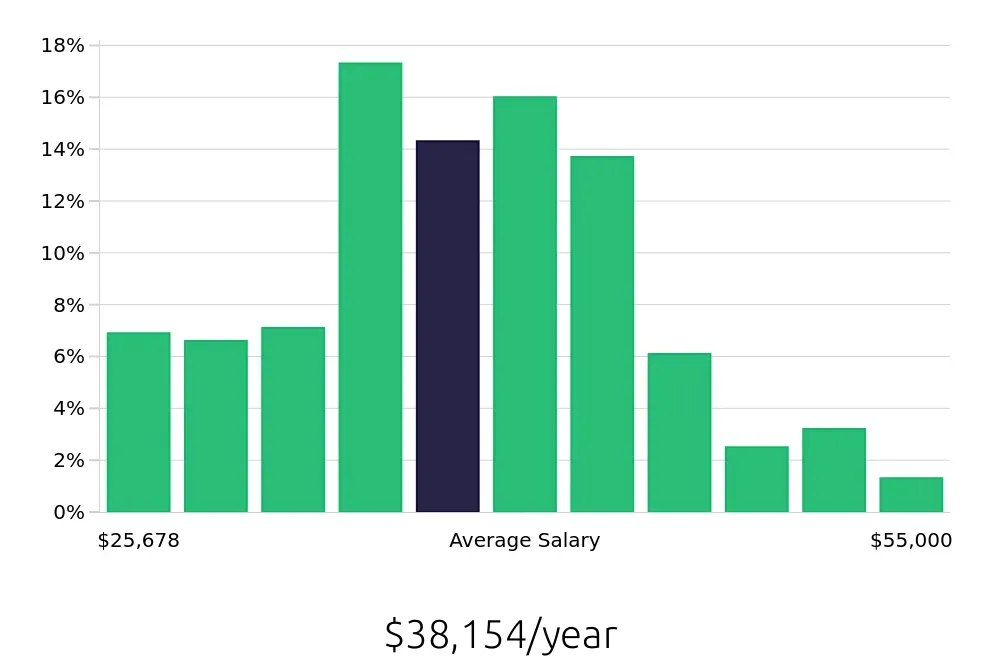
Earnings for Yard Attendants reflect a competitive compensation structure. The BLS states an average national annual compensation of $36,910, which translates to an hourly rate of $17.75. This financial information is crucial for job seekers evaluating career options. While the role may not promise the highest salary, it offers a stable income and potential for advancement. Those committed to gaining experience and expertise can see salary growth over time. The steady pay and opportunity for progression make this role attractive to many candidates.
Entering the role of a Yard Attendant also offers practical benefits. The job involves overseeing the movement and storage of materials, vehicles, and equipment. It requires attention to safety protocols and effective communication skills. With around 114,700 job positions available each year, according to the BLS, there are ample opportunities to secure a position. Job seekers can look forward to a steady job outlook, competitive compensation, and valuable work experience. This role is an excellent choice for those seeking a reliable career in logistics.
Currently 307 Yard Attendant job openings, nationwide.
Continue to Salaries for Yard Attendant