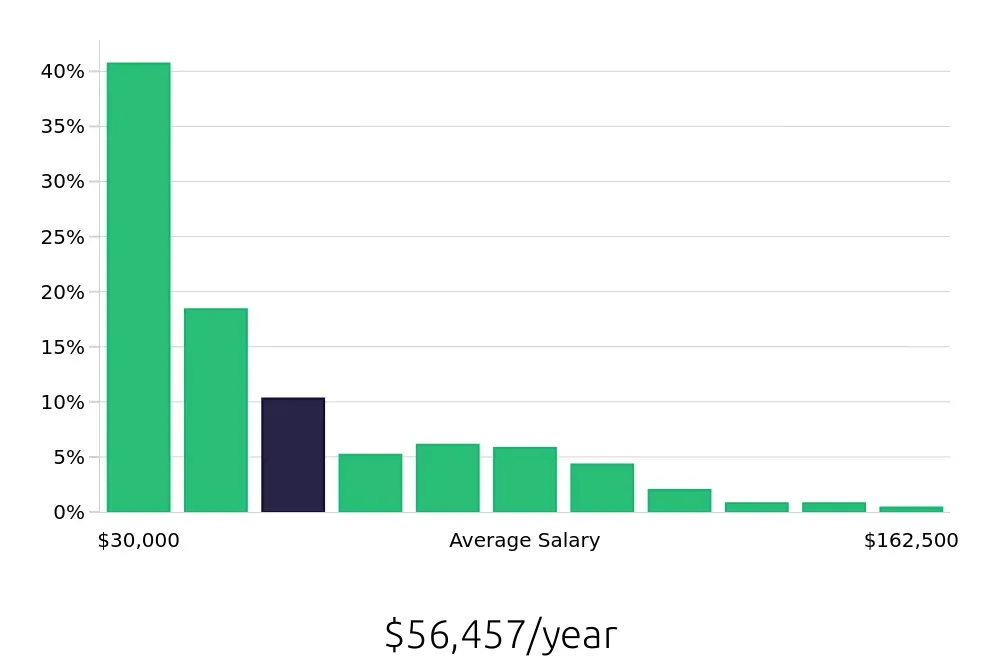
What is it like to work in Sycamore, IL?
Working in Sycamore, IL, offers a blend of community charm and professional opportunities. The city boasts a strong presence from businesses like Fleetmatics and Rand McNally. Sycamore's setting provides easy access to nature with nearby parks and the Fox River Trail for outdoor enthusiasts.
The community takes pride in its historic downtown area, with charming shops and eateries. Notable attractions include the Sycamore Public Library and the Sycamore Historical Society Museum. The local economy supports a range of industries from manufacturing to services, making it a diverse place to work.
Working in Sycamore, IL, offers a blend of career opportunities and quality of life. The town, located in DeKalb County, is home to several businesses that provide diverse job opportunities. One notable employer is the Sycamore School District, which offers jobs in education and administration. Sycamore also has a growing healthcare sector, with facilities like Sycamore Health Services providing various medical jobs.
Sycamore benefits from its proximity to larger cities like Chicago and Rockford, which opens up broader job markets for residents. This proximity also brings economic growth, creating more job opportunities. Sycamore's community-oriented environment supports local businesses and fosters a supportive work atmosphere. This sense of community enhances the work experience, making it a pleasant place to work and live.
For those who enjoy the outdoors, Sycamore offers many attractions. The town is near the Kishwaukee River, which is perfect for fishing and kayaking. Sycamore also features parks, such as the Sycamore Community Park, providing recreational activities and events. These amenities enhance the quality of life for residents, making Sycamore a desirable place to work and live.
Do you need a car in Sycamore, IL?
Owning a car in Sycamore, IL, makes commuting to work much easier. Many job opportunities in the area rely on reliable transportation.
Sycamore's public transportation options are limited, so a car can provide more flexibility. This is especially important for those who need to reach multiple locations daily. Having a car also helps job seekers access jobs in nearby towns more efficiently.
Navigating daily commutes in Sycamore, IL, often sparks the question about car ownership. The town offers a variety of transportation options. Most residents find that having a car is highly beneficial. Sycamore's public transportation system includes local buses. However, these are less frequent and may not cover all needed routes. Using a car provides flexibility and convenience.
Driving is the most common method for commuting to and from work in Sycamore. The roads are well-maintained, but traffic can be heavy during peak hours. It is important to consider this when planning travel times. Additionally, parking is readily available in most parts of the town, making it easier to drive to various locations.
Weather conditions in Sycamore can also influence transportation choices. Winters bring snow and ice, which can make driving hazardous. Those without a car may find it difficult to navigate during these times. However, public transport and ride-sharing services also offer options. These can be used to avoid road issues during inclement weather. Considering these factors helps in deciding if a car is truly needed for daily life in Sycamore.
What is the job market like in Sycamore, IL?
The job market in Sycamore, IL, provides a mix of opportunities across various industries. The local economy benefits from sectors like manufacturing, healthcare, and education. Companies in these areas offer diverse roles, from skilled trades to administrative positions.
Recent trends show growth in technology and logistics, creating openings in these fields. Local businesses and startups are also hiring, supporting a dynamic job landscape. Sycamore's job market values skills in customer service, logistics management, and technical trades, making it a good place for job seekers with these talents.
To find a job in Sycamore, job seekers should use online job boards, visit local hiring fairs, and network with professionals in their field. Local organizations and community groups also offer resources to help people find and succeed in their jobs.
What are the best neighborhoods in Sycamore, IL?
Sycamore, IL, boasts several neighborhoods that are perfect for job seekers looking for a new place to call home. Each of these neighborhoods offers unique benefits that make them attractive options. For instance, the downtown area is a great choice for those who enjoy being close to the action. It offers easy access to various amenities, shops, and restaurants, making it a convenient spot for daily errands and leisure activities.
Another desirable neighborhood is Sycamore's west side. This area is known for its family-friendly environment and high-quality schools. Homebuyers appreciate the sense of community and the safe, quiet streets. This makes it an excellent choice for families with children. Additionally, the west side features several parks and recreational areas, providing ample opportunities for outdoor activities.
Other neighborhoods worth considering include the east side, which offers affordable housing options, and the south side, known for its peaceful neighborhoods and scenic views. Each of these areas has its own charm and advantages, catering to different lifestyles and preferences.
Downtown: Convenient for daily errands and leisure.
West side: Family-friendly with great schools and parks.
East side: Affordable housing options.
South side: Peaceful with scenic views.
What are popular employers in Sycamore, IL?
-
IDEAL INDUSTRIES, INC
IDEAL INDUSTRIES, INC is known for its innovative tools and solutions in the electrical industry. Working here means being part of a company with a strong commitment to quality and safety. Employees enjoy a dynamic environment that encourages growth and collaboration.
-
Northwestern Medicine
Northwestern Medicine provides top-notch healthcare services. Employees benefit from a supportive work culture and opportunities for professional development. The company focuses on delivering excellent patient care and fostering a caring work environment.
-
Meijer
Meijer offers a wide range of retail opportunities. It values its employees and provides a supportive work environment. With many benefits and career advancement options, employees enjoy a rewarding experience working at Meijer.
-
Blain's Farm & Fleet (Blain Supply, Inc.)
Blain's Farm & Fleet provides essential services and products to the local community. It's a great place to work for those who appreciate a hands-on approach and community involvement. The company prides itself on its customer service and employee support.
-
Ridge Ambulance Service
Ridge Ambulance Service offers critical emergency services. Employees work in a fast-paced environment where they can make a real difference. The company values its staff and provides training and support to ensure high standards of care.
-
Hy-Vee, Inc.
Hy-Vee, Inc. is a well-known grocery chain that values its employees. It offers a positive work culture with many opportunities for career growth. Working here means being part of a company that prioritizes customer satisfaction and employee well-being.
-
Hauser Ross Eye Institute
Hauser Ross Eye Institute specializes in eye care services. It provides a professional environment where employees can grow their skills. The company focuses on delivering high-quality care and supports its staff with the resources they need.
-
Jewel-Osco
Jewel-Osco offers a variety of retail and grocery services. It's a great place for those seeking a supportive work environment. The company values teamwork and provides opportunities for career development and job satisfaction.
-
Veritiv
Veritiv is a leading provider of supply chain solutions. Employees here enjoy a dynamic work environment with many opportunities for advancement. The company values innovation and encourages its staff to contribute to its success.
-
Advastar, Inc. | Recruiting & Staffing
Advastar, Inc. focuses on recruitment and staffing services. It provides a collaborative environment where employees can thrive. The company values its staff and offers opportunities for career growth and professional development.
There are 129 job openings in Sycamore, IL, today!
Continue to Salaries in Sycamore, IL