What does a Accounting Supervisor do?
An Accounting Supervisor leads the accounting team in ensuring financial accuracy and efficiency. This role involves overseeing the daily operations of the accounting department. Responsibilities include managing payroll, accounts payable and receivable, and maintaining financial records. The supervisor also prepares budgets and forecasts. They ensure compliance with financial regulations and standards. Effective communication with management and team members is key.
The Accounting Supervisor collaborates with other departments to support financial planning and analysis. They provide training and guidance to accounting staff. This position requires attention to detail and strong problem-solving skills. Supervisors must be organized and able to meet deadlines. They play a crucial role in maintaining the financial health of the organization.
Key skills for this role include:
- Knowledge of accounting principles
- Experience with financial software
- Strong leadership abilities
- Excellent communication skills
- Ability to handle multiple tasks
How to become a Accounting Supervisor?
Becoming an Accounting Supervisor requires a clear path and dedication to the field. Individuals interested in this role can follow a structured process to achieve their goals. This journey includes gaining relevant education, experience, and skills. It is an attainable goal with the right approach and persistence.
Follow these steps to become an Accounting Supervisor:
- Earn a Relevant Degree: Start with a degree in accounting, finance, or a related field. A bachelor's degree is often the minimum requirement. Look for accredited programs that offer hands-on experience.
- Gain Work Experience: Work in entry-level accounting positions. Aim for roles that allow you to work with financial statements, budgets, and reports. Experience in public accounting or corporate accounting can be valuable.
- Obtain Professional Certification: Consider getting certified as a Certified Public Accountant (CPA) or a Certified Management Accountant (CMA). These credentials can boost your resume and show your commitment to the profession.
- Develop Leadership Skills: Take on roles that require supervising others. Learn to manage teams, delegate tasks, and lead projects. Soft skills like communication and problem-solving are crucial here.
- Apply for Supervisory Positions: Once you have the necessary education and experience, start applying for Accounting Supervisor positions. Tailor your resume to highlight your skills and experience in leadership roles.
How long does it take to become a Accounting Supervisor?
Pursuing a role as an Accounting Supervisor offers a rewarding career path. This position requires a blend of education, training, and experience. Typically, individuals start with a bachelor's degree in accounting or a related field. This education often takes four years to complete. After gaining foundational knowledge, many seek additional certifications such as Certified Public Accountant (CPA) or Certified Management Accountant (CMA). These credentials can take extra time to obtain, often requiring further study and passing exams.
Career progression into an Accounting Supervisor role also depends on gaining relevant work experience. Most employers look for candidates with several years in accounting roles. This experience builds skills and expertise. Often, it takes about five to seven years to gather enough experience. During this period, individuals may start in entry-level positions and advance through roles such as Staff Accountant, Senior Accountant, or Accounting Manager. Each step provides valuable experience and prepares the candidate for supervisory responsibilities.
Accounting Supervisor Job Description Sample
The Accounting Supervisor is responsible for overseeing and managing the accounting department. They ensure the accuracy of financial records, supervise accounting staff, and provide guidance on accounting policies and procedures.
Responsibilities:
- Supervise and manage a team of accountants and accounting clerks.
- Ensure accuracy and integrity of financial records and reports.
- Prepare and analyze financial statements and reports.
- Oversee the general ledger and ensure timely recording of transactions.
- Manage and monitor the accounts payable and receivable processes.
Qualifications
- Bachelor's degree in Accounting, Finance, or related field.
- Certified Public Accountant (CPA) or relevant certification preferred.
- Minimum of 5 years of experience in accounting, with at least 2 years in a supervisory role.
- Strong knowledge of accounting principles and practices.
- Proficiency in accounting software and Microsoft Office Suite.
Is becoming a Accounting Supervisor a good career path?
An Accounting Supervisor oversees accounting teams, ensuring accuracy in financial records and compliance with regulations. This role involves managing day-to-day accounting operations and training junior accountants. It requires strong analytical skills and attention to detail.
Being an Accounting Supervisor offers both advantages and challenges. Consider these pros and cons to understand what this career path entails.
Here are some pros:
- Leadership Role: Gain experience managing a team and mentoring staff.
- Job Stability: High demand for skilled accounting professionals ensures job security.
- Skill Development: Enhance accounting skills and stay updated with financial regulations.
- Career Advancement: Opportunity to move into higher management positions, such as Finance Manager.
However, there are also some cons:
- High Responsibility: Managing a team and ensuring accuracy puts a lot of pressure on the role.
- Long Hours: The role may require extra hours, especially during tax season or audits.
- Stressful Environment: Handling financial records and deadlines can be stressful.
- Limited Mobility: Frequent travel might be limited, especially in corporate settings.
What is the job outlook for a Accounting Supervisor?
The job outlook for an Accounting Supervisor presents a promising landscape for career growth. According to the Bureau of Labor Statistics (BLS), there are approximately 69,600 job positions available each year. This steady flow of opportunities makes it easier for job seekers to find a position. With a projected job openings percent change of 16% from 2022 to 2032, the field is expected to expand, offering even more openings in the coming years.
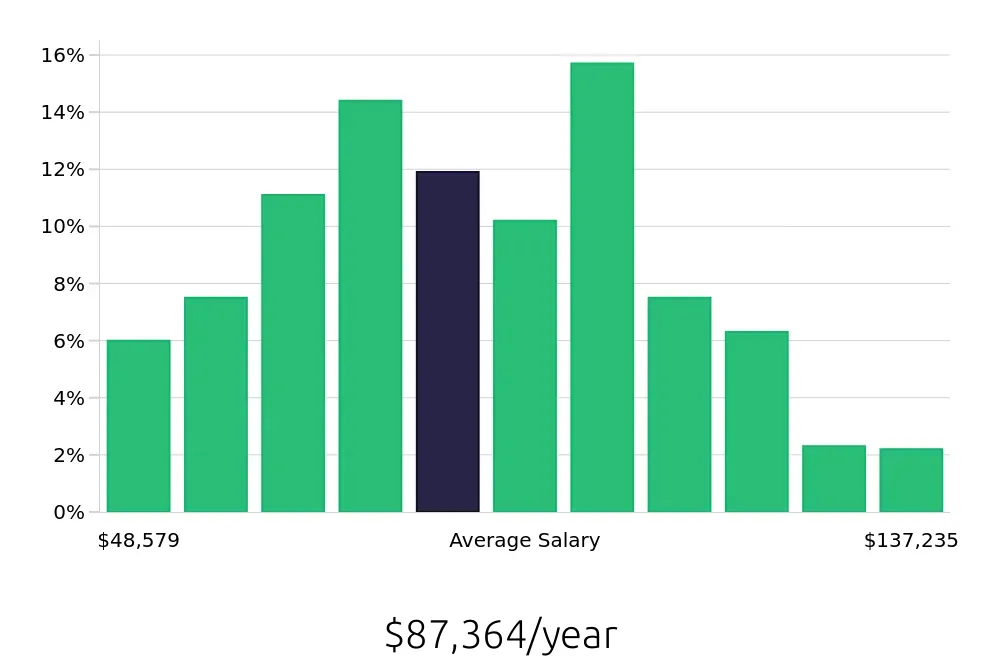
Professionals in this role can expect a competitive average annual salary of $174,820, as reported by the BLS. This compensation reflects the skills and responsibilities that come with overseeing accounting teams. Additionally, the hourly compensation stands at $84.05, underscoring the value placed on experienced accounting supervisors in the job market. With solid growth potential and attractive pay, this career path is a strong choice for those in the accounting field.
Aspiring Accounting Supervisors should leverage this positive job outlook to advance their careers. The combination of a stable number of annual positions, expected growth, and competitive salaries make this role both attainable and rewarding. The BLS data highlights a favorable environment for those seeking to step into a supervisory role within accounting.
Currently 184 Accounting Supervisor job openings, nationwide.
Continue to Salaries for Accounting Supervisor