Position
Overview

What does a Accounts Payable Clerk do?

An Accounts Payable Clerk plays a crucial role in managing a company's financial obligations. This position ensures that all vendor invoices are processed accurately and on time. The clerk reviews invoices for accuracy, matches them with purchase orders and delivery receipts, and enters the data into the accounting system. This role helps maintain good relationships with suppliers by ensuring timely payments.

The Accounts Payable Clerk also prepares and processes payments to vendors. This involves writing checks, setting up electronic payments, and maintaining records of all transactions. The clerk coordinates with other departments to resolve any discrepancies or issues that may arise. This position requires strong attention to detail and excellent organizational skills to manage multiple tasks efficiently. The clerk ensures that the company's financial records are accurate and up-to-date, contributing to the overall financial health of the organization.

View Accounts Payable Clerk jobs nearby

How to become a Accounts Payable Clerk?

Becoming an Accounts Payable Clerk involves a clear and structured process. This role is vital for managing a company's financial obligations. It requires attention to detail and a solid understanding of financial principles. Follow these steps to embark on a successful career in accounts payable.

First, gaining a high school diploma or equivalent is essential. This provides a foundation in basic math and communication skills. Next, obtaining a relevant certification can enhance job prospects. Certifications such as the Certified Accounts Payable Professional (CAPP) are highly valued. Then, gaining experience through internships or entry-level positions is beneficial. This hands-on experience helps in understanding the day-to-day tasks of the role. After that, developing strong computer skills is crucial. Proficiency in accounting software and Microsoft Excel is often required. Finally, networking with professionals in the field can open doors to job opportunities. Attending industry events and joining professional organizations can be very helpful.

To summarize, the journey to becoming an Accounts Payable Clerk includes:

  1. Earning a high school diploma or equivalent.
  2. Obtaining relevant certifications.
  3. Gaining experience through internships or entry-level jobs.
  4. Developing strong computer skills.
  5. Networking with industry professionals.

How long does it take to become a Accounts Payable Clerk?

Training to become an Accounts Payable Clerk usually takes about one to two years. This includes completing a certificate or associate's degree in accounting or a related field. Many programs offer courses that cover essential skills like data entry, financial reporting, and software use. Some employers may also provide on-the-job training for new hires. Gaining experience in a related role can help speed up the process. Clerks often start in entry-level positions and work their way up. This hands-on experience is valuable and can lead to promotions. Networking with professionals in the field can also help job seekers find opportunities faster.

The journey to becoming an Accounts Payable Clerk involves several steps. First, a high school diploma or equivalent is needed. This is the basic requirement for entry into the field. Many people choose to further their education by taking courses in accounting or business administration. These courses can be found at community colleges, technical schools, or universities. They provide valuable knowledge and skills that can be useful in the job.

The time it takes to complete these steps varies. A high school diploma takes about four years to earn. Short-term courses in accounting or business can last from a few months to two years. Some employers may prefer or require a bachelor's degree in accounting or a related field. This can take an additional two to four years. In total, the path to becoming an Accounts Payable Clerk can take between two to six years, depending on the education and experience chosen.

Accounts Payable Clerk Job Description Sample

The Accounts Payable Clerk is responsible for processing vendor invoices, ensuring timely and accurate payments, and maintaining organized financial records. This role plays a crucial part in the financial operations of the organization by managing accounts payable functions efficiently.

Responsibilities:

  • Process vendor invoices for payment in a timely and accurate manner.
  • Verify the accuracy of invoices and resolve discrepancies.
  • Maintain and update the accounts payable ledger.
  • Ensure all payments are processed according to the company's payment terms and policies.
  • Coordinate and communicate with vendors regarding payment issues and inquiries.

Qualifications

  • High school diploma or equivalent; Bachelor's degree in Accounting or Finance preferred.
  • Proven experience as an Accounts Payable Clerk or similar role.
  • Strong knowledge of accounting principles and practices.
  • Proficiency in accounting software and Microsoft Office Suite.
  • Excellent attention to detail and accuracy in data entry.

Is becoming a Accounts Payable Clerk a good career path?

An Accounts Payable Clerk plays a key role in managing a company's finances. This role involves processing payments to vendors and suppliers. They ensure that all invoices are paid on time and accurately. This position requires attention to detail and strong organizational skills. It is a vital part of the finance team, helping to maintain good relationships with suppliers.

Working as an Accounts Payable Clerk has its own set of advantages and challenges. Understanding these can help someone decide if this career path is right for them. Here are some pros and cons to consider.

  • Pros:
    • Stable Employment: Many companies need Accounts Payable Clerks, offering steady job opportunities.
    • Clear Career Path: Experience in this role can lead to higher positions in finance, such as Accounts Payable Supervisor or Manager.
    • Skill Development: This job helps develop skills in data entry, communication, and financial analysis.
  • Cons:
    • Repetitive Tasks: The job can be routine, with similar tasks each day.
    • Limited Interaction: This role may involve less interaction with colleagues compared to other positions.
    • Pressure to Meet Deadlines: Meeting payment deadlines can be stressful, especially during busy periods.

What is the job outlook for a Accounts Payable Clerk?

The job outlook for Accounts Payable Clerks remains stable, with an average of 46,700 positions available each year. This consistency indicates a steady demand for professionals in this role. Job seekers can expect a reliable number of opportunities in this field, making it a good choice for those seeking stability in their careers.

The Bureau of Labor Statistics (BLS) reports a 0% change in job openings for Accounts Payable Clerks from 2022 to 2032. This suggests that the demand for these roles will remain unchanged over the next decade. Job seekers can feel confident that this field will continue to offer ample opportunities. The stability of this outlook makes it an attractive option for those looking to build a long-term career.

Accounts Payable Clerks enjoy a competitive salary, with an average national annual compensation of $47,120. This figure reflects the value placed on their skills and responsibilities. Additionally, the hourly compensation rate stands at $22.66, providing a clear picture of the earning potential in this role. For job seekers, this information highlights the financial rewards that can come with a career in accounts payable.

Currently 787 Accounts Payable Clerk job openings, nationwide.

Continue to Salaries for Accounts Payable Clerk

Learn about Accounts Payable Clerk salaries, top-paying cities, and hiring companies. See how much you could earn!
Position
Salary
Salaries For Accounts Payable Clerk
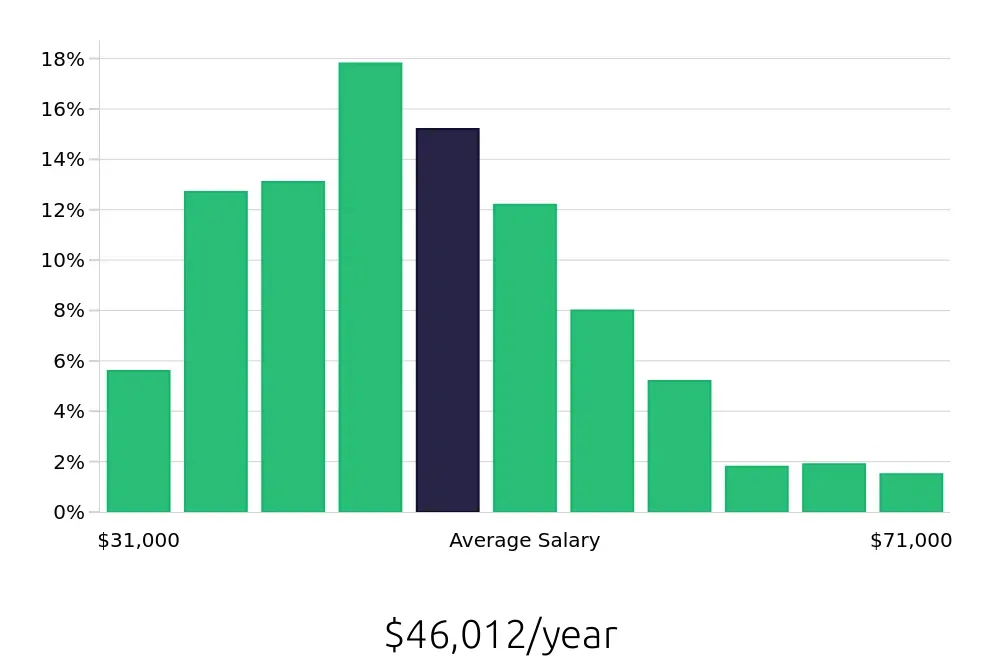
Averge salary $46,041 per year
Graph depicting the yearly salary distribution for Accounts Payable Clerk positions, showing an average salary of $46,041 with varying distribution percentages across salary ranges.