Position
Overview
An Agent acts as a liaison between different parties. They coordinate and manage various aspects of transactions or negotiations. An Agent often works in real estate, insurance, travel, or sports. Their main task is to ensure smooth and successful interactions.
An Agent conducts market research to understand the needs of clients. They gather information and analyze data to make informed decisions. Agents communicate with clients to discuss options and preferences. They prepare documents, present proposals, and handle paperwork. Agents also negotiate terms to reach agreements that benefit all parties involved. They monitor progress and ensure compliance with rules and regulations. Good communication and negotiation skills are crucial for this role.
Becoming an agent can lead to a rewarding career path. It requires dedication and specific steps to succeed. Follow this guide to start your journey towards becoming a successful agent.
First, understand the role of an agent. Agents represent clients in various fields, such as real estate, insurance, or talent. Each type of agent has unique requirements. Research the specific field of interest to know what steps to follow.
The journey to becoming an agent involves several steps, each requiring dedication and time. Typically, the process begins with obtaining the necessary education. Many agents start with a bachelor’s degree, which usually takes about four years. Common fields of study include business, finance, or communications.
After completing education, gaining experience in the chosen field is crucial. This can range from internships to entry-level positions. Most agents spend about two to five years gaining experience. Some may choose to pursue additional certifications to boost their credentials. These steps help prepare them for more advanced roles and responsibilities.
We are seeking a dynamic and detail-oriented Agent to join our team. The ideal candidate will be responsible for providing exceptional customer service, managing client accounts, and ensuring the smooth operation of our agency. This role requires strong communication skills, the ability to work under pressure, and a proactive approach to problem-solving.
Responsibilities:
Qualifications
The career path of an agent offers a dynamic and rewarding experience for many. An agent works in various industries, including real estate, insurance, and talent. This role involves representing clients, negotiating deals, and providing expert advice. Agents often enjoy a flexible work schedule and the chance to work independently.
Choosing this path can lead to great rewards. However, it is important to consider both the positives and the challenges. The following lists highlight some pros and cons to help understand what this career entails.
Pros of Being an Agent:
Cons of Being an Agent:
Job seekers interested in becoming an Agent can look forward to a positive job outlook. The U.S. Bureau of Labor Statistics (BLS) reports an average of 2,100 job positions available per year. This consistent demand indicates a stable career path for those entering this field. Moreover, BLS forecasts an 8.2% increase in job openings from 2022 to 2032, suggesting growth and opportunity for aspiring Agents.
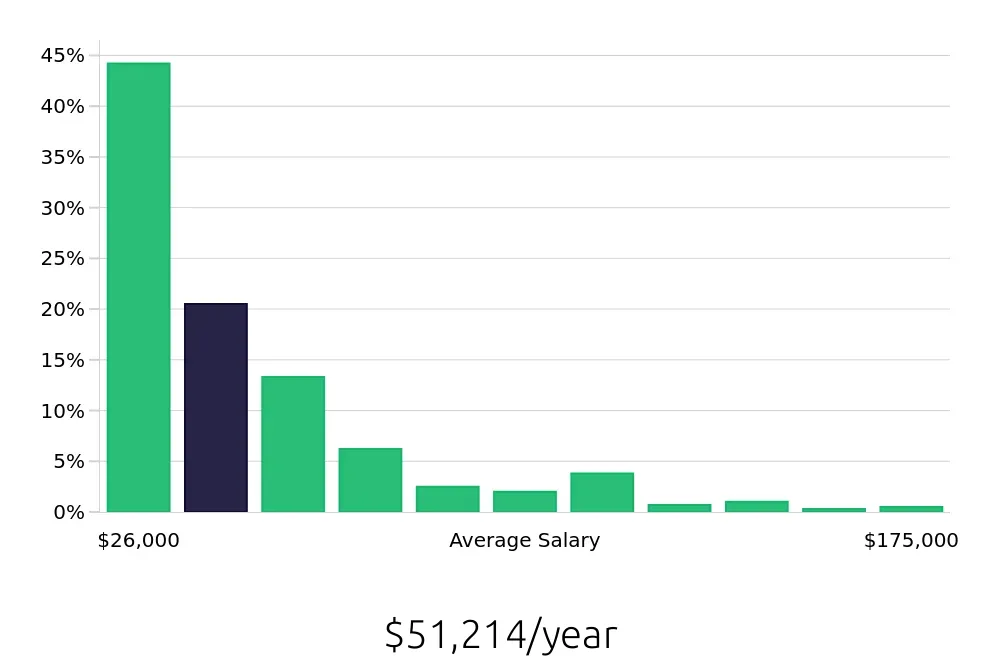
The financial rewards for Agents also make this career attractive. According to BLS data, the average national annual compensation for Agents stands at $132,810. This figure reflects a strong earning potential that can be appealing to job seekers. Furthermore, the average national hourly compensation is $63.85, highlighting the value of the skills and services provided by Agents. These figures indicate that the career can offer both stability and financial satisfaction.
For job seekers, the combination of steady job availability and attractive compensation makes the role of an Agent highly desirable. BLS projections support this by indicating not only growth in job openings but also a competitive salary. As such, individuals entering this field can anticipate a rewarding career with good prospects.