What does a Application Engineer do?
An Application Engineer plays a key role in developing and implementing software solutions. This role often involves working closely with clients and developers to understand their needs and design software that meets those needs. The engineer also ensures that the software performs well and meets quality standards. This position requires a mix of technical skills and problem-solving abilities.
Responsibilities of an Application Engineer include testing software, debugging, and providing support. They work with different teams to ensure that the software integrates smoothly with other systems. This role demands attention to detail and a proactive approach to finding and solving problems. It is ideal for someone who enjoys working with technology and helping others make the most of it. This position often involves collaboration and communication with both technical and non-technical teams.
How to become a Application Engineer?
Becoming an Application Engineer involves a clear process that leads to a rewarding career. This path requires dedication and the right steps to achieve success. Following these steps can help guide a professional towards this role.
The journey to becoming an Application Engineer starts with the right education and skills. First, earn a degree in engineering, computer science, or a related field. This provides a strong foundation. Second, gain experience through internships or entry-level positions in engineering. Third, develop skills in relevant software and programming languages. Fourth, obtain certifications that highlight specific competencies. Fifth, build a professional network by joining industry groups and attending conferences. These steps prepare an individual for a career as an Application Engineer.
The process continues with gaining hands-on experience. Start by working on projects that apply your skills. Look for opportunities that challenge you and help you grow. Seek feedback from supervisors and colleagues to improve. Stay updated on the latest technology and trends in your field. This ongoing learning keeps skills sharp and knowledge current. With time and dedication, these steps lead to a successful career as an Application Engineer.
Overall, becoming an Application Engineer needs a mix of education, experience, and continuous learning. By following these steps, a professional can build a strong career in this field. Each step plays a crucial role in achieving success and making a positive impact in the industry.
How long does it take to become a Application Engineer?
The journey to becoming an application engineer includes several key steps. Most candidates start with a bachelor's degree in engineering or a related field. This typically takes about four years to complete. Coursework may include subjects like computer science, mathematics, and engineering design.
After earning a bachelor's degree, gaining practical experience is important. Many application engineers work in internships or entry-level positions. This hands-on work helps new engineers learn how to apply their knowledge in real-world settings. Experience gained in these roles often makes a candidate more attractive to future employers. Job seekers might also choose to pursue certifications or advanced degrees to boost their qualifications and career prospects.
Application Engineer Job Description Sample
We are seeking a skilled Application Engineer to join our dynamic team. The ideal candidate will have a strong technical background, excellent problem-solving skills, and a passion for developing innovative solutions. This role involves working closely with cross-functional teams to design, implement, and optimize software applications.
Responsibilities:
- Collaborate with product managers, software developers, and quality assurance teams to develop and enhance software applications.
- Conduct thorough testing and debugging of software applications to ensure they meet the highest standards of quality.
- Provide technical support and guidance to internal teams and customers, addressing any issues or concerns that arise.
- Stay updated with the latest industry trends and technologies to continuously improve our application offerings.
- Create detailed documentation for software applications, including user manuals, technical specifications, and best practices.
Qualifications
- Bachelor's degree in Computer Science, Software Engineering, or a related field.
- Proven experience as an Application Engineer or similar role.
- Strong proficiency in programming languages such as Java, C#, Python, or similar.
- Experience with software development methodologies, such as Agile or Scrum.
- Excellent problem-solving skills and the ability to think critically.
Is becoming a Application Engineer a good career path?
Application engineers work closely with clients to create and improve products. They combine technical skills with customer needs. This role involves a lot of problem-solving and teamwork. Application engineers use their knowledge to help businesses and end-users achieve their goals. This career path offers a variety of challenges and learning opportunities.
Working as an application engineer has many benefits. They get to use their technical skills every day. Engineers often work on exciting projects that make a real difference. The role also offers chances to learn new things and grow professionally. However, the job can be demanding. Engineers must manage tight deadlines and high expectations. Balancing technical work with customer needs can be tough. Engineers also need to keep up with the latest technology trends and updates.
Here are some pros and cons to consider:
- Pros:
- Use technical skills daily.
- Work on exciting projects.
- Opportunities for professional growth.
- Cons:
- Tight deadlines can be stressful.
- Must meet high customer expectations.
- Need to stay updated with new technologies.
What is the job outlook for a Application Engineer?
Job seekers aiming to become Application Engineers can look forward to a promising career path. On average, about 19,200 positions open up each year, according to the Bureau of Labor Statistics (BLS). This steady demand highlights the ongoing need for skilled professionals in this field. With a projected growth of 10% from 2022 to 2032, the outlook for Application Engineers remains positive.
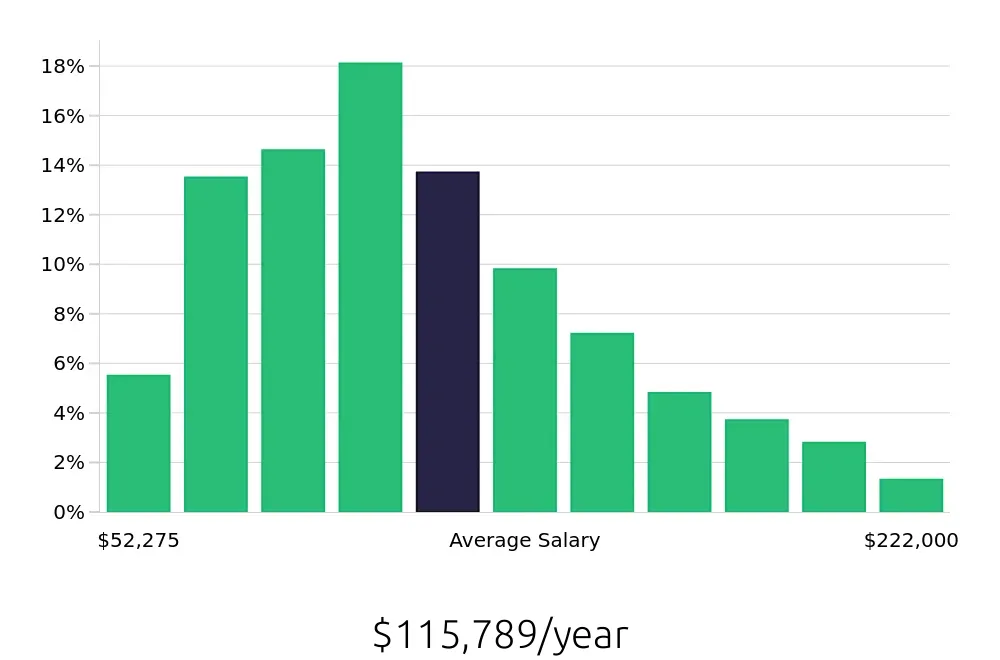
Prospective Application Engineers should also consider the financial rewards. The BLS reports an average annual salary of $105,220, indicating a competitive compensation package. This attractive income reflects the importance of their role in developing and implementing software solutions. Hourly wages stand at approximately $50.59, offering a clear financial incentive for those entering this career.
For those interested in the field, the growing demand and solid compensation make it a viable career option. With both job security and a strong salary, becoming an Application Engineer can be a smart choice for many job seekers.
Currently 961 Application Engineer job openings, nationwide.
Continue to Salaries for Application Engineer