Position
Overview

What does a Asphalt Paving Laborer do?

An Asphalt Paving Laborer helps build and repair roads, driveways, and parking lots. They work as part of a team and support more experienced workers. This job involves physical work, so it requires strength and attention to detail. An Asphalt Paving Laborer may carry heavy materials and use tools to spread and shape the asphalt. They must follow safety rules to protect themselves and others.

This role demands teamwork and clear communication. Asphalt Paving Laborers must listen to instructions and work well with others. They help set up and clean up work sites. They also need to report any problems or hazards to their supervisor. Attention to detail is key, as mistakes can lead to safety issues or poor-quality work. An Asphalt Paving Laborer must be able to follow directions and take pride in their work.

View Asphalt Paving Laborer jobs nearby

How to become a Asphalt Paving Laborer?

Becoming an Asphalt Paving Laborer offers an opportunity to join a hands-on, essential trade. This career path combines physical work with skilled craftsmanship, ensuring roads and driveways are built to last. It requires dedication and the right training. Below are steps to guide someone through the process of becoming an Asphalt Paving Laborer.

First, obtaining a high school diploma or GED is essential. This basic educational requirement provides the foundational knowledge needed for further training. Once this step is complete, aspiring laborers should look for apprenticeships or training programs. These opportunities offer hands-on experience under the supervision of experienced professionals. The skills learned during this time are invaluable. Additionally, working in the field can lead to paid positions and more advanced training.

  1. Complete a high school diploma or GED.
  2. Seek out apprenticeships or training programs.
  3. Gain practical experience in the field.
  4. Obtain necessary certifications and licenses.
  5. Continue education through workshops and advanced training.

After gaining some experience, it is important to obtain the necessary certifications and licenses. These credentials enhance job prospects and demonstrate competency in the trade. Many employers require these certifications before hiring. Finally, continuing education through workshops and advanced training can lead to higher-paying jobs and greater responsibilities. This ongoing learning ensures that skills remain sharp and up-to-date with industry standards.

How long does it take to become a Asphalt Paving Laborer?

An asphalt paving laborer role typically requires about one to three years of training. This training often happens on the job under the guidance of experienced workers. Workers learn how to use tools, understand safety rules, and follow instructions. Some companies provide formal training programs, while others favor hands-on learning. This time frame varies based on local job markets and specific employer needs. Engaging in apprenticeships or community college programs can shorten the training period. Gaining skills and experience quickly leads to better job opportunities in the field.

Starting a career as an Asphalt Paving Laborer involves a mix of training and experience. On average, it takes about one to four years to gain the necessary skills and qualifications. Most people start by getting a high school diploma or a GED. Some take courses in construction or a related field at a community college or vocational school. This education can help speed up the learning process.

After gaining a basic understanding of the job, new workers often start as apprentices. They work under experienced pavers, learning the trade by doing. Over time, they pick up the skills needed to work independently. The amount of time it takes to go from apprentice to experienced worker can vary. It often depends on the individual's dedication and the amount of on-the-job training they receive. Many employers also offer paid training programs to help new workers get started quickly.

Asphalt Paving Laborer Job Description Sample

An Asphalt Paving Laborer is responsible for assisting in the installation, maintenance, and repair of asphalt surfaces. This role involves supporting skilled tradespeople in various tasks related to asphalt paving, ensuring high-quality results and adherence to safety standards.

Responsibilities:

  • Assist in the preparation of surfaces for asphalt paving, including cleaning, grading, and removing old pavement.
  • Help mix and spread hot asphalt using shovels, rakes, and other hand tools.
  • Operate equipment such as asphalt rollers, screeds, and brooms to smooth and level the asphalt.
  • Install and repair curbs, sidewalks, and other related structures.
  • Lay down and compact base materials to provide a stable foundation for asphalt.

Qualifications

  • High school diploma or equivalent required; vocational training in construction or a related field is a plus.
  • Previous experience in construction or landscaping is advantageous.
  • Physical stamina and the ability to perform manual labor for extended periods.
  • Basic understanding of construction tools and equipment.
  • Ability to work in various weather conditions.

Is becoming a Asphalt Paving Laborer a good career path?

An Asphalt Paving Laborer plays a key role in construction projects. They work with teams to lay and smooth asphalt for roads, parking lots, and other surfaces. This job requires physical strength and attention to detail. The work can take place outdoors, sometimes in tough weather conditions.

People who choose this path find both rewards and challenges. Understanding the pros and cons can help someone decide if this career is the right fit.

Pros of Being an Asphalt Paving Laborer:

  • Job Security: There is always a need for road repairs and new construction. This job tends to be stable.
  • Good Pay: Laborers can earn a decent wage, especially with experience.
  • Skill Development: Workers gain valuable skills that can lead to more opportunities.
  • Physical Activity: The job involves a lot of movement, which can be good for health.

Cons of Being an Asphalt Paving Laborer:

  • Physical Demands: The work can be tough on the body, with long hours spent outdoors.
  • Weather Dependence: Projects may stop due to rain or extreme heat.
  • Limited Office Work: Most of the job takes place on construction sites, with little office time.
  • Safety Risks: Workers face hazards like hot asphalt and heavy machinery.

What is the job outlook for a Asphalt Paving Laborer?

The job market for Asphalt Paving Laborers shows a promising outlook for job seekers. The U.S. Bureau of Labor Statistics (BLS) reports an average of 3,000 job positions open each year. This steady demand indicates a reliable opportunity for those entering the field. Aspiring laborers can look forward to a stable career with consistent job openings.

Job growth in this sector is also encouraging. The BLS predicts a 2% increase in job openings from 2022 to 2032. This growth is driven by the continuous need to maintain and build infrastructure across the nation. Laborers can expect to find ample opportunities to build a career in this field over the next decade. The growth rate is steady and suggests a stable job market ahead.

Asphalt Paving Laborers can also anticipate a competitive salary. The BLS reports an average annual compensation of $51,670. On an hourly basis, the average compensation is $24.84. These figures highlight the potential for a rewarding career in this sector, making it an attractive option for job seekers. With a stable job outlook and competitive pay, becoming an Asphalt Paving Laborer offers both stability and financial benefits.

Currently 84 Asphalt Paving Laborer job openings, nationwide.

Continue to Salaries for Asphalt Paving Laborer

Learn about Asphalt Paving Laborer salaries, top-paying cities, and hiring companies. See how much you could earn!
Position
Salary
Salaries For Asphalt Paving Laborer
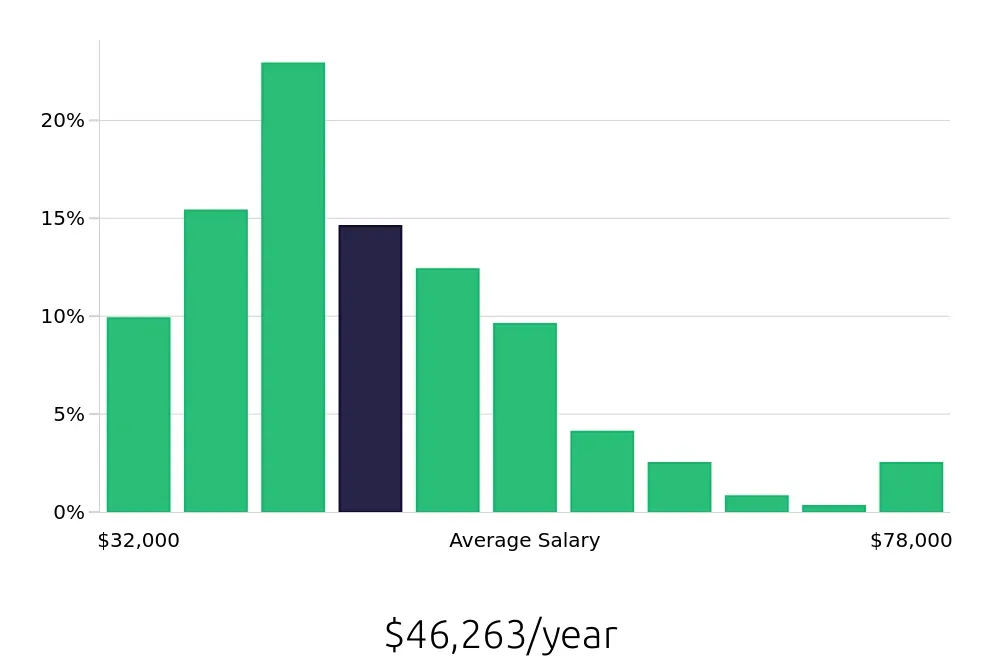
Averge salary $45,270 per year
Graph depicting the yearly salary distribution for Asphalt Paving Laborer positions, showing an average salary of $45,270 with varying distribution percentages across salary ranges.