What does a Automotive Detailer do?
An Automotive Detailer takes care of vehicles, making them look clean and new. They wash cars, trucks, and SUVs. They use special tools and products to clean and polish the car's surface. They also work on removing scratches and swirl marks to make the vehicle look shiny and smooth.
These professionals may work in car washes, dealerships, or as independent contractors. They pay close attention to detail to ensure every part of the car looks perfect. They must be careful with the car to avoid damage. Working as an Automotive Detailer involves long hours on feet and using chemicals, so it is important to follow safety rules. This job is great for those who love cars and take pride in their work.
How to become a Automotive Detailer?
Becoming an Automotive Detailer involves a mix of skills, training, and dedication. It is a job that requires precision, attention to detail, and a love for working with cars. Detailers clean, polish, and restore the appearance of vehicles, making them look new and shiny. The following steps outline how someone can embark on this career path.
First, understand the role and responsibilities of an Automotive Detailer. This person not only cleans cars but also fixes minor dents, scratches, and chips in the paint. They may also perform interior detailing, ensuring the inside of the car is spotless. Knowing what the job entails helps in preparing for the necessary training and experience.
- Get the necessary education: While not always required, completing high school or a GED is a good start. Some detailers may benefit from a vocational program or a short-term training course in automotive detailing.
- Learn the skills: Practice cleaning, polishing, and repairing car surfaces. Familiarize yourself with the tools and products used in the industry. This skill set can come from formal training, online courses, or hands-on experience.
- Gain experience: Start by working for an established car detailer or at an auto dealership. This experience provides insight into the industry and helps build a portfolio of work.
- Obtain certifications: While not mandatory, certifications from recognized organizations can boost credibility. They also demonstrate a commitment to the profession.
- Set up a business: If the goal is to work as a freelance detailer, set up a small business. This involves marketing, customer service, and managing finances, in addition to detailing cars.
How long does it take to become a Automotive Detailer?
The time it takes to become an Automotive Detailer can vary. Many find it takes a few months to a year to gain the necessary skills. Most start with formal training, such as classes at a vocational school or a community college. Some choose to learn on the job, taking unpaid internships or entry-level positions at detail shops.
Training programs often include both classroom instruction and hands-on practice. Topics cover cleaning, polishing, and repairing vehicle surfaces. Apprenticeships provide experience under the guidance of experienced detailers. This mix of learning and practice helps new detailers develop their skills efficiently. It sets them up for a successful career in this field.
Automotive Detailer Job Description Sample
We are seeking a highly skilled Automotive Detailer to join our team. The ideal candidate will have a keen eye for detail, a strong work ethic, and a passion for maintaining the highest standards in vehicle care. The Automotive Detailer will be responsible for performing a variety of cleaning, polishing, and maintenance tasks to ensure that our fleet of vehicles is always in top condition.
Responsibilities:
- Perform thorough exterior and interior cleaning of vehicles.
- Polish and wax vehicle surfaces to restore shine and protect paintwork.
- Inspect vehicles for damage or imperfections and report findings to management.
- Clean and detail vehicle interiors, including seats, carpets, and dashboard.
- Use specialized tools and equipment to clean hard-to-reach areas and intricate details.
Qualifications
- High school diploma or equivalent required; additional training in automotive detailing preferred.
- Proven experience as an Automotive Detailer or similar role.
- Knowledge of various cleaning techniques, polishing methods, and detailing products.
- Attention to detail and a commitment to delivering high-quality work.
- Ability to work independently and as part of a team.
Is becoming a Automotive Detailer a good career path?
A career as an automotive detailer offers opportunities to enhance the appearance of vehicles, focusing on washing, polishing, and maintaining the exterior. This job can be fulfilling for those who enjoy working with their hands and seeing the immediate results of their efforts. Detailers often work in car washes, repair shops, or as independent contractors, offering flexibility in their work environments.
There are many advantages to becoming an automotive detailer. First, this job allows for physical activity, which can be enjoyable for those who prefer a hands-on role. Another benefit is the potential for flexible hours, which can lead to a better work-life balance. Working as an independent contractor also means the ability to set one’s own rates and choose clients. However, this career path has its challenges. One major drawback is the physical strain of repetitive tasks, which can lead to injuries over time. The job also requires long hours on one’s feet and dealing with harsh chemicals, which can be harmful to health if not handled properly.
Consider the following pros and cons before pursuing this career:
- Pros:
- Opportunities for physical activity.
- Potential for flexible hours.
- Ability to set own rates as an independent contractor.
- Cons:
- Physical strain from repetitive tasks.
- Long hours on feet.
- Exposure to potentially harmful chemicals.
What is the job outlook for a Automotive Detailer?
Interested in a career as an Automotive Detailer? This job has a positive outlook. According to the Bureau of Labor Statistics (BLS), there are about 1,057,100 job positions available each year. This number shows a 5% growth from 2022 to 2032. People who love cars and enjoy working with their hands may find this role rewarding.
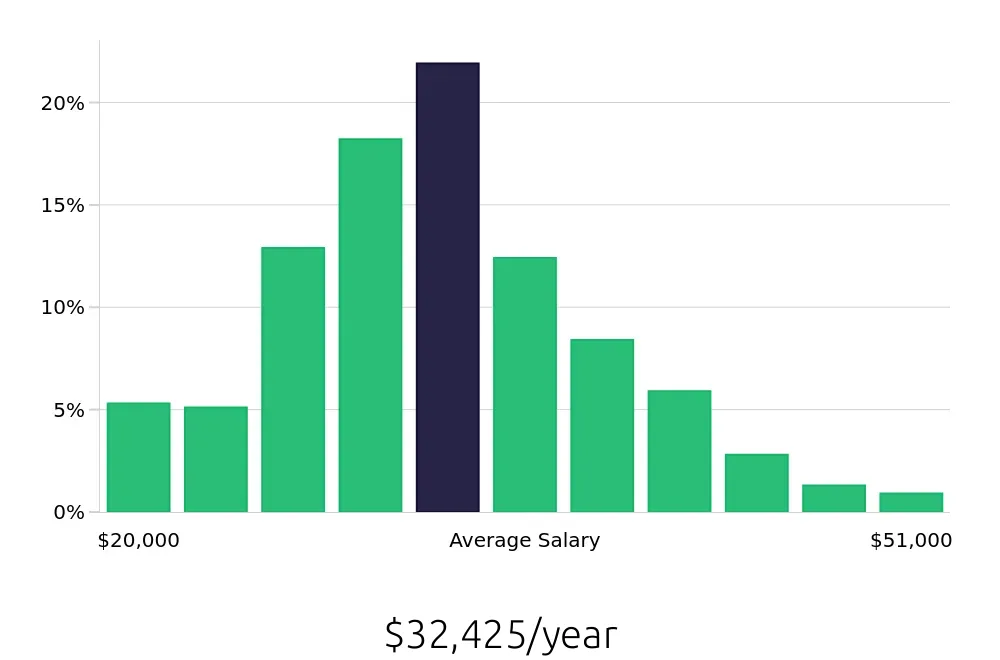
The average national annual salary for Automotive Detailers is $38,400. On an hourly basis, the average pay is $18.46. These numbers can change based on experience, location, and the type of business. Many detailers earn extra money through tips and bonuses. The BLS reports these figures to help job seekers understand what to expect in this field.
In summary, the Automotive Detailer profession offers a stable job market with steady growth. The job requires skill and attention to detail, making it a good fit for many people. With a growing demand for vehicle care, this career path can be a great choice for those looking for a reliable job with good pay.
Currently 2,802 Automotive Detailer job openings, nationwide.
Continue to Salaries for Automotive Detailer