What does a Automotive Service Manager do?
An Automotive Service Manager plays a key role in ensuring that a service department runs smoothly and efficiently. This position oversees all aspects of automotive maintenance and repair services. The manager supervises a team of technicians, ensuring that each vehicle receives high-quality service. They handle scheduling appointments, managing inventory, and maintaining customer satisfaction. The manager also works closely with customers to understand their needs and ensure their vehicles are serviced promptly and correctly.
Responsibilities of an Automotive Service Manager include training and mentoring staff, overseeing financial performance, and implementing safety procedures. They must have strong leadership skills and be knowledgeable about automotive technology. The manager ensures that all work complies with industry standards and regulations. Additionally, they coordinate with parts suppliers and service providers to maintain a well-stocked service department. This role requires excellent communication skills to interact effectively with both staff and customers. A successful Automotive Service Manager keeps the team organized and the business running at peak efficiency.
How to become a Automotive Service Manager?
Becoming an Automotive Service Manager is a great career choice for those who enjoy working with vehicles and managing a team. This role involves overseeing the maintenance and repair of vehicles, managing staff, and ensuring customer satisfaction. To embark on this career path, follow these essential steps:
- Education and Training: Start with a high school diploma or equivalent. Consider taking courses in automotive technology or business management. This foundational education sets the stage for a successful career.
- Gain Experience: Work in an automotive repair shop. Experience as a mechanic or technician provides valuable hands-on knowledge and skills. Aim for a minimum of two to four years in the field.
- Develop Skills: Focus on developing both technical skills and soft skills. Technical skills involve understanding vehicle systems and repair techniques. Soft skills include communication, leadership, and problem-solving abilities.
- Pursue Certification: Obtain certifications such as ASE (Automotive Service Excellence) can enhance credibility. Certifications demonstrate expertise and commitment to the profession.
- Advance to Management: Seek a management position within the shop. This step often involves taking on supervisory roles. Gain experience in managing a team and overseeing daily operations.
Following these steps can lead to a rewarding career as an Automotive Service Manager. This role combines technical knowledge with management skills to ensure smooth operations and satisfied customers.
How long does it take to become a Automotive Service Manager?
The path to becoming an Automotive Service Manager typically involves several steps. Most managers start with formal education in automotive technology or a related field. This can take around two years to complete at a community college or vocational school. After gaining the necessary technical skills, many individuals work as mechanics or technicians to gain practical experience. This phase can last from one to three years, depending on the individual's career path and opportunities for advancement. Following hands-on experience, aspiring managers may take on supervisory roles, such as a lead mechanic or assistant manager, which can add another one to two years to the journey. This period allows for the development of leadership skills and familiarity with managerial duties.
Achieving the position of an Automotive Service Manager can require a total of four to seven years, combining education, hands-on experience, and supervisory roles. Some managers may choose to pursue additional certifications or degrees to enhance their qualifications, which could extend the timeline slightly. Throughout this journey, continuous learning and professional development remain key. With dedication and a clear focus on automotive expertise and management skills, individuals can successfully transition into this rewarding career.
Automotive Service Manager Job Description Sample
The Automotive Service Manager is responsible for overseeing the daily operations of an automotive service department, ensuring quality service and customer satisfaction. This role involves managing staff, maintaining high service standards, and ensuring efficient workflow processes.
Responsibilities:
- Supervise and manage the service department team, including technicians, service advisors, and support staff.
- Develop and implement policies and procedures to enhance service quality and efficiency.
- Manage inventory and procurement of parts and materials to ensure timely service delivery.
- Ensure compliance with safety and environmental regulations.
- Develop and monitor budgets, and manage the financial performance of the service department.
Qualifications
- High school diploma or equivalent; additional vocational training or degree in automotive technology is preferred.
- Certification from a recognized automotive service organization (e.g., ASE, ASE Master Technician) is highly desirable.
- Minimum of 3-5 years of experience in an automotive service management role.
- Proven experience in leading and managing a team in a service-oriented environment.
- Strong understanding of automotive repair and maintenance practices, including knowledge of diagnostic tools and repair processes.
Is becoming a Automotive Service Manager a good career path?
Working as an Automotive Service Manager offers a blend of leadership and technical skills. This role involves overseeing the daily operations of a repair shop. Managers coordinate between technicians and customers to ensure high-quality service. They also manage inventory and handle finances. This position appeals to those who enjoy a mix of problem-solving and team leadership.
This career path has its own set of pros and cons. An important pro is the potential for higher earnings. Managers often earn more than their technician counterparts. The job also offers opportunities for growth within the company. Success in this role can lead to promotions and increased responsibilities. However, it also has challenges. Managers face long hours and high stress due to tight deadlines and customer demands. They must also handle difficult situations, such as angry customers or equipment failures.
Before pursuing this career, consider the following:
- Pros:
- Opportunities for higher earnings.
- Career growth and promotion potential.
- A chance to lead and manage a team.
- Cons:
- Long working hours and high stress.
- Dealing with difficult situations and customer complaints.
- Responsibility for managing inventory and finances.
What is the job outlook for a Automotive Service Manager?
Automotive Service Managers play a crucial role in the automotive industry. They ensure smooth operations and customer satisfaction in auto repair shops. This role is growing, offering many opportunities for job seekers. The Bureau of Labor Statistics reports an average of 17,700 job openings each year. This trend shows a positive job outlook for aspiring managers.
The demand for Automotive Service Managers remains steady. From 2022 to 2032, job openings are expected to increase by 0.9%. This means more positions will be available in the coming years. This growth offers a bright future for those interested in this career. With the right skills and experience, job seekers can find stable and rewarding opportunities in this field.
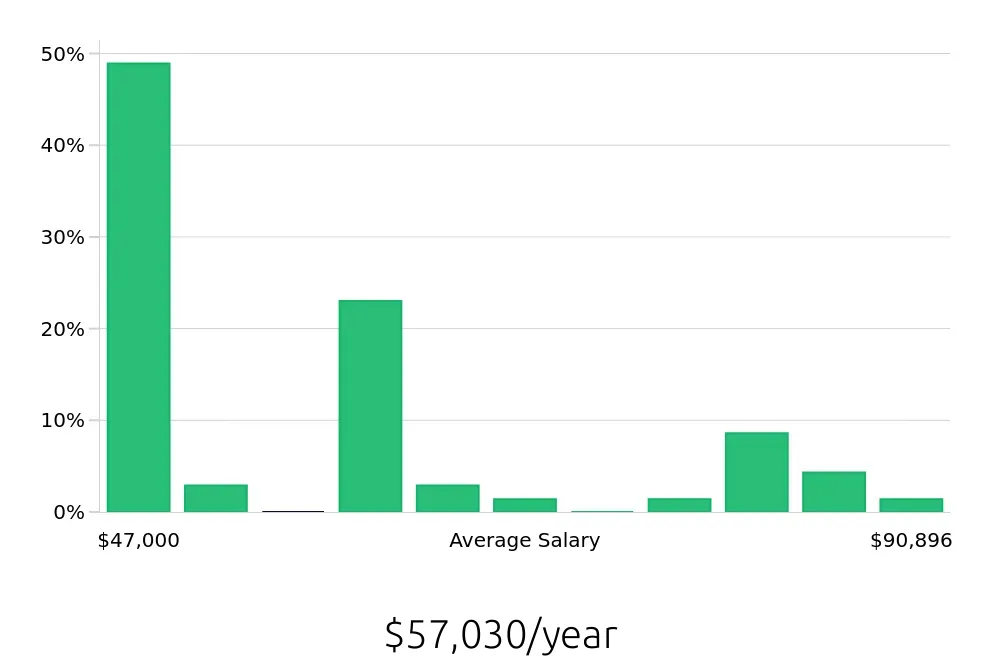
Aspiring Automotive Service Managers can expect competitive compensation. According to the Bureau of Labor Statistics, the average annual salary is $75,170. Hourly compensation stands at $36.14. This makes it a financially attractive career choice. With steady job growth and good pay, this role is an excellent option for job seekers looking for stability and advancement.
Currently 2 Automotive Service Manager job openings, nationwide.
Continue to Salaries for Automotive Service Manager