What does a Building Official do?
A Building Official ensures the safety and compliance of structures with local, state, and federal building codes. This role involves inspecting buildings during and after construction to verify adherence to safety standards. Building Officials review blueprints, issue permits, and conduct follow-up inspections to ensure all work meets necessary regulations. They also investigate complaints and take corrective actions when violations are found.
In this position, professionals must have a thorough understanding of building codes and construction practices. They must communicate clearly with contractors, architects, and other stakeholders. Building Officials often work in outdoor environments and need to be physically capable of inspecting sites. Their work is critical in preventing accidents and ensuring public safety. They need strong problem-solving skills and the ability to make decisions based on detailed assessments.
How to become a Building Official?
Becoming a Building Official involves a series of steps that require dedication and a commitment to public safety. This role is crucial in ensuring that buildings are constructed to meet safety standards and regulations. The process begins with obtaining the necessary education and experience.
First, a candidate must complete a high school diploma or equivalent. After high school, obtaining an associate’s or bachelor’s degree in construction management, engineering, or a related field helps provide a strong educational foundation. Gaining hands-on experience by working in the construction industry further prepares an individual for this role. This experience might include working as a construction worker, site supervisor, or in a similar capacity.
Next, gaining relevant experience is essential. Positions such as construction inspector or code enforcement officer offer valuable insights into building regulations and safety standards. Employers often prefer candidates with practical experience. Taking additional training courses in building codes, zoning laws, and safety regulations can also enhance job prospects.
- Obtain a high school diploma or GED.
- Earn a degree in construction management, engineering, or a related field.
- Gain experience in the construction industry.
- Consider positions like construction inspector or code enforcement officer.
- Take additional courses in building codes and safety regulations.
After meeting the educational and experience requirements, the final step involves passing the necessary exams and obtaining certification. Each state or locality may have specific requirements for certification. Being licensed or certified demonstrates a commitment to professionalism and helps secure a position as a Building Official.
How long does it take to become a Building Official?
The path to becoming a Building Official involves a mix of education, experience, and testing. Most Building Officials hold a high school diploma or GED as a starting point. After this, pursuing a degree in architecture, engineering, or construction management can help. This typically takes about four years of full-time study.
Following a degree, many gain experience by working in roles like construction inspector or project manager. This often takes 2-5 years. Some states also require passing a licensing exam. This exam covers topics like building codes and safety regulations. Preparing for and passing this exam can take several months. So, in total, one might spend 6-9 years to become a qualified Building Official.
Building Official Job Description Sample
The Building Official is responsible for ensuring that buildings and structures comply with local, state, and federal building codes and regulations. This role involves inspecting construction projects, reviewing plans, issuing permits, and enforcing building codes.
Responsibilities:
- Inspect building sites to ensure compliance with building codes and regulations.
- Review and approve building plans and specifications.
- Issue building permits and inspect completed projects to ensure compliance.
- Enforce building codes and regulations by issuing citations or stopping work if necessary.
- Investigate complaints and perform inspections related to building safety and compliance.
Qualifications
- Bachelor’s degree in Architecture, Engineering, Construction Management, or a related field.
- Several years of experience in building inspection, construction, or a related field.
- Knowledge of local, state, and federal building codes and regulations.
- Strong analytical and problem-solving skills.
- Excellent communication and interpersonal skills.
Is becoming a Building Official a good career path?
A Building Official inspects and ensures compliance with building codes in various construction projects. This role involves reviewing blueprints, visiting construction sites, and issuing permits. Building Officials work to ensure that buildings are safe and up to code. Their work is vital to the safety and integrity of the community.
This career offers several advantages and challenges. Consider these pros and cons before deciding if it is the right path for you.
- Pros:
- Job stability: Building Officials are needed in every community.
- Variety of work: You will inspect different types of buildings, from homes to commercial structures.
- Community impact: Your work helps ensure that buildings are safe and meet all regulations.
- Opportunities for advancement: Experience can lead to higher positions, such as department heads or inspectors.
- Cons:
- Physical demands: You may need to visit construction sites, which can be outdoors and sometimes uncomfortable.
- Irregular hours: Construction schedules can lead to working on weekends or evenings.
- Stressful situations: Enforcing regulations can sometimes lead to conflict with contractors.
- Detail-oriented work: Accuracy and attention to detail are crucial in this job.
What is the job outlook for a Building Official?
For job seekers exploring career paths in building and construction, the role of a Building Official presents a promising opportunity. Despite a slight decrease in job openings projected from 2022 to 2032, with a 1.5% decline, there remain an average of 15,700 new job positions annually, according to the Bureau of Labor Statistics (BLS). This steady demand underscores the essential nature of building officials in ensuring safety and compliance in construction projects.
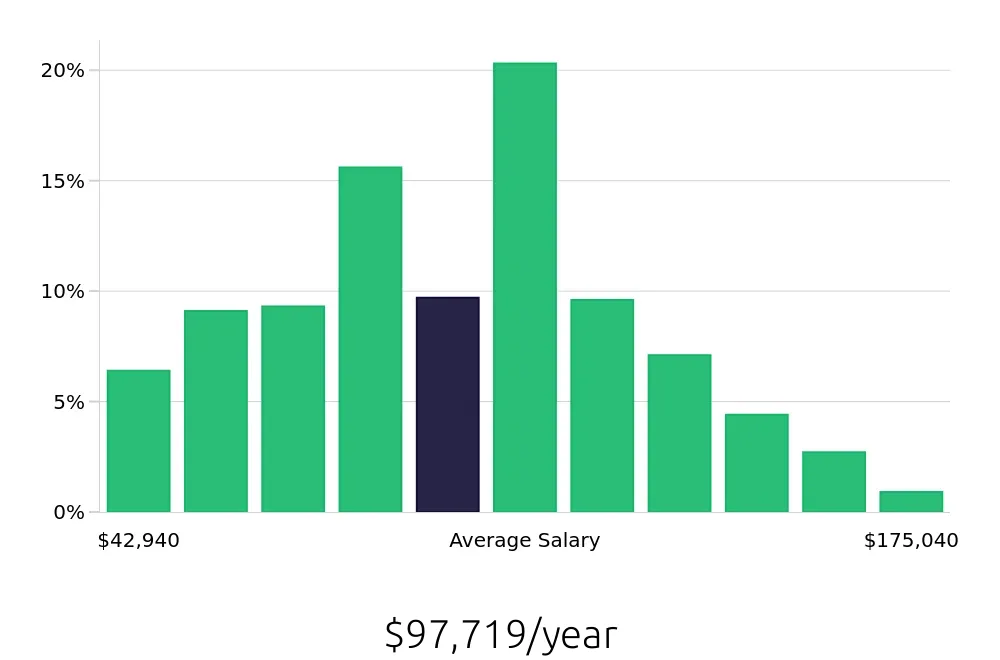
Building Officials enjoy a competitive salary that reflects the importance of their work. The average national annual compensation stands at $72,880, while the hourly rate averages $35.04, as reported by the BLS. These figures offer a strong incentive for professionals entering this field, making it an attractive choice for those who seek financial stability and career growth within the construction industry.
Interested individuals will find that the role of a Building Official is not only lucrative but also offers a clear path for career advancement. With a consistent need for qualified professionals, the field continues to provide opportunities for growth and development. Building Officials play a crucial role in the built environment, ensuring that projects meet local and national regulations, which adds value to their career.
Currently 65 Building Official job openings, nationwide.
Continue to Salaries for Building Official