What does a Bus Aide do?
A Bus Aide assists in ensuring the safety and well-being of students during their transportation to and from school. This role involves more than just driving a bus. Bus Aides monitor student behavior, help them board and exit the bus safely, and assist students with special needs. They work closely with the bus driver to maintain a safe and orderly environment. Bus Aides also report any issues to school staff, ensuring that any concerns are addressed promptly.
The responsibilities of a Bus Aide include greeting students as they board the bus, helping them find seats, and ensuring everyone is buckled up before departure. During the ride, Bus Aides may engage with students to encourage positive behavior and help them if they feel unwell. They must be aware of emergency procedures and know how to assist in an emergency. Bus Aides often work in teams with the bus driver to create a friendly and secure atmosphere for all students. This role requires good communication skills and the ability to handle challenging situations calmly and effectively.
How to become a Bus Aide?
Interested in becoming a Bus Aide? This rewarding career path offers a chance to assist students in their daily school activities. The role is vital, and following the right steps can lead to success. Here’s a clear outline to guide you through the process.
Here are five key steps to take:
- Obtain a High School Diploma or GED: This is the first step to becoming a Bus Aide. Most employers require a high school diploma or an equivalent.
- Complete a Bus Aide Training Program: After obtaining your diploma, enroll in a training program. These programs teach essential skills such as safety procedures, first aid, and student supervision.
- Get CPR and First Aid Certification: Certification in CPR and first aid is often required. These skills are crucial for handling emergencies on the bus.
- Apply for Positions: Start applying for Bus Aide positions in local schools. Tailor your resume to highlight your training and certifications. Include any relevant experience.
- Attend a Job Interview: If you land an interview, prepare by practicing common questions. Dress professionally and show enthusiasm for the role. Remember to follow up with a thank you note.
Following these steps will help you become a Bus Aide. This role requires dedication and a caring attitude, ensuring the safety and well-being of students during their commute.
How long does it take to become a Bus Aide?
Starting a career as a Bus Aide can be a rewarding path. The time it takes can vary, but typically, it includes a combination of education, training, and experience. Most positions require at least a high school diploma or GED. Many schools prefer candidates who have completed some college courses, especially in education or child development.
After completing the necessary education, individuals can gain experience through internships or volunteer work. Some states require a background check and a certification process. This can add a few weeks to a few months, depending on the state's requirements. Gaining practical experience in a school setting often involves working under the supervision of a licensed teacher. This hands-on experience helps new Bus Aides to understand their roles and responsibilities fully.
Bus Aide Job Description Sample
A Bus Aide plays a crucial role in ensuring the safety, comfort, and well-being of students during school transportation. This position requires a responsible individual who can assist the bus driver with student supervision, safety procedures, and provide a positive school environment while on the bus.
Responsibilities:
- Supervise students during transportation to ensure their safety and well-being.
- Assist the bus driver in adhering to traffic regulations and school policies.
- Provide support to students who may have special needs or require additional assistance.
- Monitor student behavior and address any incidents of misconduct in a calm and effective manner.
- Assist with the loading and unloading of students in a safe and orderly fashion.
Qualifications
- High school diploma or equivalent required; additional education or training in child care or related fields is a plus.
- Previous experience working with children in a school or childcare setting is preferred.
- Knowledge of child development and safety practices is essential.
- Ability to pass a background check and drug screening.
- Strong communication and interpersonal skills to interact effectively with students, parents, and school staff.
Is becoming a Bus Aide a good career path?
A career as a Bus Aide offers a unique opportunity to support children with special needs. These professionals work closely with bus drivers and teachers. They ensure that students with disabilities or special needs reach school safely. They assist students in boarding and exiting the bus. They also help manage behavior on the bus. The role requires patience, empathy, and a strong sense of responsibility.
There are many benefits to becoming a Bus Aide. The job provides the chance to make a positive impact on children's lives. It offers flexibility in work schedules. This can be a plus for those with other commitments. Bus Aides often have the opportunity to build strong relationships with students and colleagues. However, the role also comes with challenges. Bus Aides must be prepared to handle difficult situations. They need to be calm and effective under pressure. They may also face long hours and physically demanding tasks. Being a Bus Aide requires a commitment to ensuring the safety and well-being of students.
Consider the following pros and cons before deciding to pursue a career as a Bus Aide.
- Pros:
- Help children with special needs
- Flexible work schedules
- Opportunity to build relationships
- Cons:
- Potential for challenging situations
- Long hours and physical demands
- Need for patience and empathy
What is the job outlook for a Bus Aide?
Job seekers interested in becoming a Bus Aide can look forward to a growing field. The U.S. Bureau of Labor Statistics reports an average of 2400 job positions per year. This number reflects a positive job outlook for those entering the field. The job openings are expected to increase by 4.1% from 2022 to 2032. This growth indicates a steady demand for Bus Aides in the coming years.
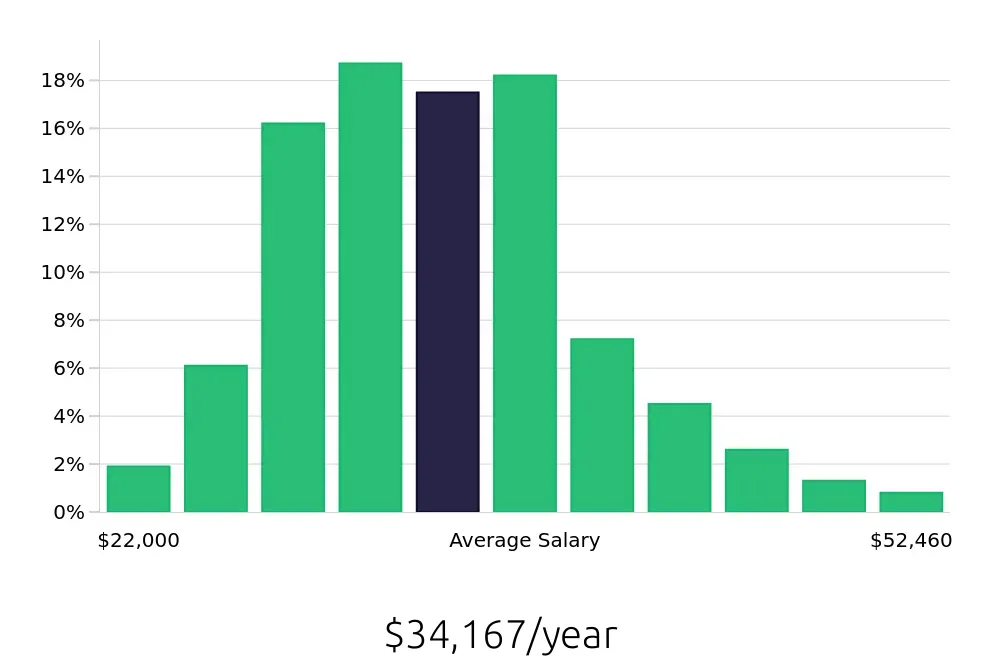
For those considering this career, the national average annual compensation stands at $36,780. This figure provides a clear picture of what to expect in terms of earnings. The average hourly compensation is $17.68, which adds up to a respectable income over time. These figures make Bus Aide positions an attractive option for many job seekers. They offer both job stability and a fair income.
In summary, the Bus Aide profession offers promising job opportunities and competitive pay. With an average of 2400 positions available annually and a projected growth of 4.1%, it is a field worth exploring. Job seekers can expect a national average annual salary of $36,780 and an hourly rate of $17.68. These statistics make Bus Aide roles a solid choice for anyone looking for a stable career with good compensation.
Currently 205 Bus Aide job openings, nationwide.
Continue to Salaries for Bus Aide