What does a Business Development Executive do?
A Business Development Executive works to grow a company's revenue and market share. This professional seeks out new business opportunities and expands existing ones. They build strong relationships with clients, negotiate deals, and work to understand market trends. The role involves analyzing business needs and offering tailored solutions.
Key responsibilities include identifying potential clients, conducting market research, and preparing business proposals. The Business Development Executive collaborates with the sales team to ensure that leads are converted into sales. They present the company’s products or services to potential clients and address any concerns or questions they may have. Keeping track of all business development activities and reporting progress to senior management is also crucial.
The ideal candidate for this position should have strong communication skills and a proactive approach. They need to be knowledgeable about the industry and adept at networking. Attention to detail and the ability to meet targets are essential qualities for success.
How to become a Business Development Executive?
Becoming a Business Development Executive is a smart move for anyone who loves building relationships and driving growth. This role involves creating partnerships and finding new business opportunities. It requires a mix of skills, including communication, strategy, and networking. Below are steps to help you become a successful Business Development Executive.
Starting a career in business development begins with gaining the right education and experience. Here are key steps to follow:
- Get a relevant degree. Most employers want a bachelor’s degree in business, marketing, or a related field. This helps you understand key business concepts.
- Gain experience. Work in roles that build your skills in sales, marketing, or customer service. This hands-on experience is crucial for understanding business needs.
- Develop networking skills. Connect with professionals in your industry. Attend events, join groups, and use platforms like LinkedIn to build your network.
- Learn about the industry. Stay informed about market trends, competitors, and new technologies. This knowledge helps you find opportunities and create effective strategies.
- Seek certifications. Consider certifications that can boost your resume, such as Certified Business Development Professional (CBDP) or Certified Sales Professional (CSP). These credentials show your dedication and expertise.
How long does it take to become a Business Development Executive?
A Business Development Executive plays a key role in growing a company. This role involves finding new business opportunities, building relationships, and increasing sales. The time it takes to reach this position can vary. Many people enter this field with a bachelor's degree in business, economics, or a related field. With relevant experience, this can take about 3 to 5 years.
Experience counts a lot. Those who have prior experience in sales or customer service can often transition into a business development role faster. Internships and entry-level jobs in sales provide valuable skills and contacts. A master's degree or an MBA can shorten the time to becoming an executive. This advanced education offers deeper insights into business strategies and management. It usually takes an additional 1 to 2 years to complete a master's program. Some companies prefer candidates with both education and experience. A mix of both can help in getting a job faster and securing a better position.
Business Development Executive Job Description Sample
The Business Development Executive is responsible for driving business growth by identifying new market opportunities, establishing strategic partnerships, and maintaining existing client relationships. The ideal candidate will have a strong background in sales, market analysis, and strategic planning, with a proven track record of achieving sales targets.
Responsibilities:
- Identify and pursue new business opportunities through market research, networking, and strategic partnerships.
- Develop and execute business plans to achieve sales targets and expand market share.
- Build and maintain strong relationships with existing and potential clients.
- Collaborate with cross-functional teams to ensure alignment on business objectives and strategies.
- Analyze market trends and competitor activities to inform business strategy.
Qualifications
- Bachelor's degree in Business, Marketing, or a related field.
- Minimum of 3-5 years of experience in business development, sales, or a related role.
- Proven track record of achieving sales targets and driving business growth.
- Strong understanding of market dynamics and competitive landscape.
- Excellent communication, negotiation, and interpersonal skills.
Is becoming a Business Development Executive a good career path?
A Business Development Executive plays a key role in growing a company's revenue and market presence. This role often involves identifying new business opportunities, managing client relationships, and working to expand the company’s customer base. This position is ideal for those who enjoy challenges and thrive in a dynamic environment. It offers a blend of strategic planning, negotiation, and customer interaction.
Working as a Business Development Executive has many rewards. This career offers the chance to make a real impact on a company's success. Individuals in this role often have the opportunity to travel, meet new people, and develop strong networking skills. They also frequently gain experience in various aspects of business operations. However, it is important to consider the demands of the job. This role can be demanding, requiring long hours and constant travel. Stress levels can be high due to the pressure to meet targets and the need to constantly adapt to changing market conditions.
Here are some pros and cons to consider:
- Pros:
- Opportunity for career advancement.
- High earning potential.
- Diverse job responsibilities.
- Networking opportunities.
- Cons:
- High stress levels.
- Long working hours.
- Frequent travel.
- High competition.
What is the job outlook for a Business Development Executive?
Job seekers looking to become a Business Development Executive can find a stable career path with positive growth prospects. According to the Bureau of Labor Statistics (BLS), there are around 74,400 job positions available each year. This consistent demand reflects the ongoing need for professionals who can drive business growth. Companies in various sectors require skilled Business Development Executives to identify new opportunities and partnerships, ensuring sustained success and expansion.
The outlook for Business Development Executive roles shows promising growth. The BLS predicts a 5.1% increase in job openings from 2022 to 2032. This positive trend indicates that employers recognize the value of development executives in achieving strategic goals. As businesses expand and evolve, the demand for these roles will likely increase, offering ample opportunities for those entering the field. This growth provides a solid foundation for job stability and career progression in this competitive market.
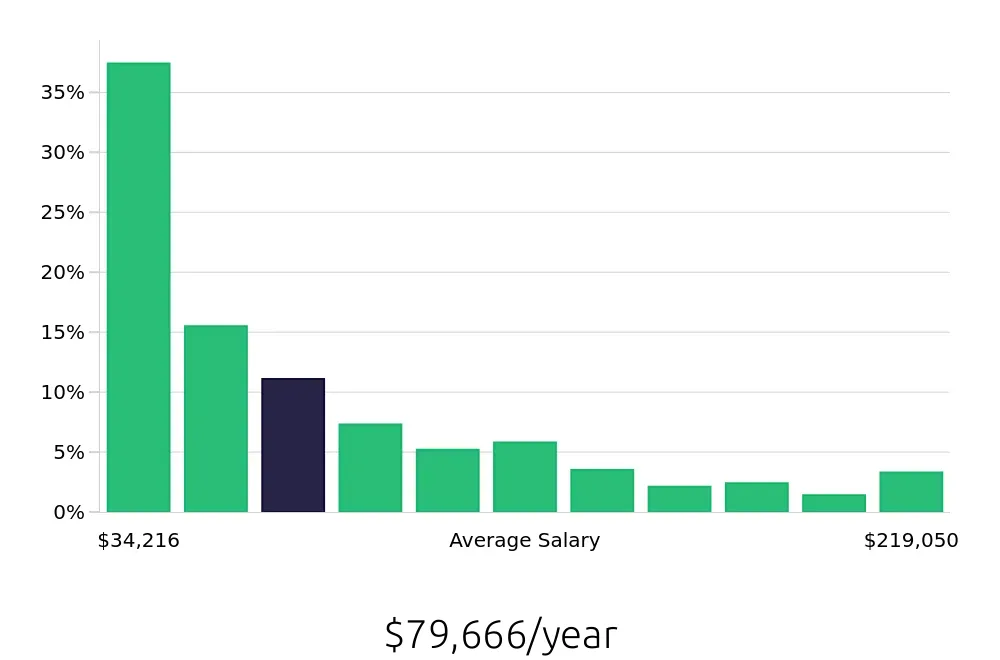
A Business Development Executive can expect a competitive salary, reflecting the importance of their role. The BLS reports an average national annual compensation of $161,040. Hourly, professionals can earn an average of $77.43. This compensation is reflective of the skills, experience, and strategic contributions these individuals bring to their organizations. With ongoing growth and a strong salary, a career as a Business Development Executive offers both financial rewards and professional fulfillment.
Currently 424 Business Development Executive job openings, nationwide.
Continue to Salaries for Business Development Executive