What does a Busser do?
A busser plays an important role in a restaurant setting. They work to ensure that the dining area stays clean and ready for the next customers. A busser clears used plates and utensils from tables. They also refill water glasses and attend to other needs at the table. The busser may also help with setting up tables for new guests.
This position requires quick movement and attention to detail. The busser must be able to multitask and stay organized. They often work in a fast-paced environment and must communicate well with kitchen staff and other team members. This role can be physically demanding but also rewarding as it contributes to a positive dining experience for customers. Bussers help keep the restaurant running smoothly and efficiently.
How to become a Busser?
Becoming a Busser is an excellent entry-level job for those looking to start a career in the food service industry. This role offers valuable experience and the chance to work in a fast-paced environment. Follow these steps to secure a position as a Busser.
Firstly, check the job requirements for a Busser. Most positions will ask for a high school diploma or equivalent. Some places may require a clean criminal record and a passing score on a drug test. Knowing the requirements helps in preparing for the application process.
- Research Opportunities: Look for job openings at local restaurants, cafes, or hotels. Check job boards, restaurant websites, and local classifieds.
- Prepare a Resume: Create a simple resume highlighting relevant experience and skills. Include any experience in customer service or teamwork.
- Apply for Jobs: Submit your resume and cover letter to potential employers. Follow up with a phone call or email to express your interest.
- Attend an Interview: Dress professionally and arrive on time. Be ready to discuss your previous work experience and how it fits the role of a Busser.
- Start Training: Once hired, complete any training required. Learn about restaurant procedures and how to use kitchen equipment.
Taking these steps can help a job seeker find and start a successful career as a Busser. This position provides a great foundation for working in the food service industry.
How long does it take to become a Busser?
Starting as a busser can open doors to a rewarding career in the food service industry. This role typically does not need formal education. It is a stepping stone to other positions within a restaurant. This job helps individuals gain valuable experience in a fast-paced environment.
Most people can learn to be a busser quickly. Training often takes a few days to a couple of weeks. The time can vary based on the restaurant’s policies and the individual’s learning pace. Bussers work alongside experienced staff, learning the ropes through hands-on experience. The role requires attention to detail, teamwork, and the ability to handle multiple tasks at once.
Busser Job Description Sample
We are seeking a dedicated and detail-oriented Busser to join our dynamic restaurant team. The Busser will assist in providing excellent customer service by clearing tables, refilling beverages, and setting up tables for new guests. This role is ideal for someone who enjoys working in a fast-paced environment and is committed to delivering a top-notch dining experience.
Responsibilities:
- Clear tables promptly and efficiently after guests have finished their meals.
- Refill water and other beverages as needed, ensuring guests have everything they require.
- Set up tables for new guests by ensuring they have clean utensils, napkins, and any necessary tableware.
- Assist waiters/waitresses by delivering food and beverages to tables and removing dishes and cutlery after guests have finished eating.
- Maintain a clean and organized dining area by wiping down tables, sweeping floors, and taking out trash.
Qualifications
- High school diploma or equivalent required; additional education in hospitality or culinary arts is a plus.
- Previous experience in a similar role, such as a busser, host/hostess, or restaurant server, is preferred.
- Strong communication skills and the ability to work well in a team environment.
- Ability to handle multiple tasks simultaneously in a fast-paced setting.
- Attention to detail and a commitment to providing excellent customer service.
Is becoming a Busser a good career path?
Working as a busser offers a unique opportunity to get a foot in the door of the food service industry. This role plays a critical part in the smooth operation of a restaurant. Bussers clear tables, refill water glasses, and assist servers. It is a great starting point for anyone looking to learn about the industry and develop customer service skills.
Bussers have the chance to work in a fast-paced environment. This job teaches attention to detail, time management, and teamwork. For someone new to the workforce, it can be a stepping stone to other roles within the restaurant. With experience, a busser might move up to become a server, host, or kitchen staff. Each role offers its own set of challenges and rewards.
Here are some pros and cons of being a busser:
- Pros:
- Easy to get started with no prior experience needed.
- Opportunity to learn about the food service industry.
- Flexible scheduling options available in many restaurants.
- Potential to earn tips on top of hourly wages.
- Cons:
- Physical demands can be tiring, with lots of standing and moving.
- Pay is often minimum wage, with reliance on tips for additional income.
- Shifts can be during busy times, which can be stressful.
- Limited opportunities for advancement without additional training or experience.
What is the job outlook for a Busser?
The job outlook for Bussers in the food service industry offers a mix of both opportunities and challenges. According to the Bureau of Labor Statistics (BLS), there are around 440,000 job positions available each year. This number has shown a slight decrease of 3.1% from 2022 to 2032. Despite this decline, the role of a Busser remains vital. It provides a starting point for many in the industry, leading to other positions such as servers, kitchen staff, and management roles.
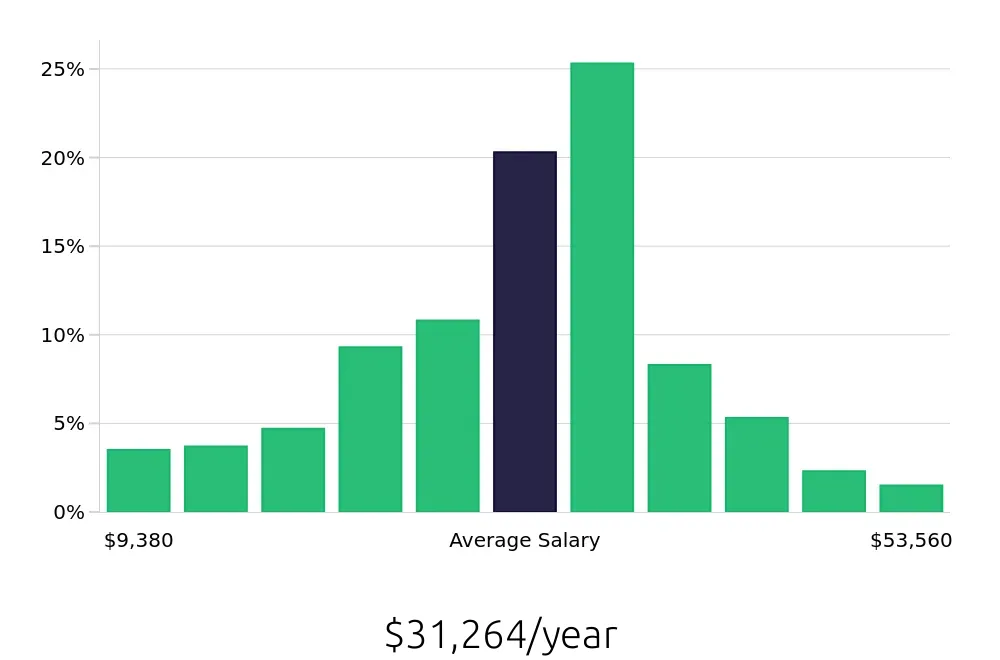
Bussers play a crucial part in ensuring the smooth operation of restaurants and cafes. This role involves clearing tables, refilling water, and assisting servers. The average national annual compensation for Bussers is $36,530, with an hourly rate of $17.56, according to BLS data. While the job outlook may show a slight decline, the demand for skilled and reliable Bussers will always exist. Those who enter this field can expect stable employment and opportunities for advancement within the industry.
Job seekers should consider the growing importance of customer service and operational efficiency in today’s dining experiences. Bussers who demonstrate reliability, a positive attitude, and a willingness to learn will find themselves in demand. The food service industry continually evolves, and skilled Bussers can transition into higher-paying roles over time. This career path offers a solid foundation for those looking to enter the workforce and gain valuable experience.
Currently 4,991 Busser job openings, nationwide.
Continue to Salaries for Busser