What does a Cabinet Builder do?
A Cabinet Builder constructs, installs, and repairs cabinets and other types of shelving for both residential and commercial properties. This role requires strong woodworking skills and attention to detail. A Cabinet Builder works with various materials, including wood, metal, and glass, to create custom storage solutions that meet customer needs.
Responsibilities of a Cabinet Builder include taking precise measurements, cutting materials, assembling pieces, and finishing surfaces. They often work from blueprints or sketches to create detailed plans for each project. Communication with clients is crucial to ensure satisfaction with the final product. A Cabinet Builder must adhere to safety guidelines and ensure all work meets building codes and regulations.
Skills for this role often include proficiency in using tools such as saws, drills, and sanders. Knowledge of woodworking techniques and the ability to read blueprints are essential. Attention to detail and strong problem-solving skills help a Cabinet Builder complete projects efficiently and to a high standard.
How to become a Cabinet Builder?
Interested in becoming a cabinet builder? This skilled trade combines craftsmanship with technical skill. Follow these steps to start your journey in this rewarding field.
First, gain foundational knowledge. Look for high school classes or community college courses in woodworking and cabinet making. These courses teach basic skills and introduce tools and materials.
- Learn the Basics: Start with woodworking classes to understand materials, tools, and techniques.
- Get Hands-On Experience: Seek an apprenticeship with a skilled cabinet builder. This practical experience is crucial.
- Develop Skills: Practice regularly to improve precision and speed. Learn to read blueprints and work with different materials.
- Get Certified: Consider certification from organizations like the National Woodworker’s Association. This can enhance your credibility.
- Set Up Your Workspace: Invest in quality tools and set up a dedicated workspace. Ensure it is safe and organized.
Building a reputation takes time and effort. Deliver quality work and ask for referrals. Networking with other professionals can lead to more job opportunities. With dedication, you can build a successful career as a cabinet builder.
How long does it take to become a Cabinet Builder?
Interested in the craft of building cabinets? This job involves designing and constructing custom cabinets and other furniture pieces. The time it takes to learn varies. Most people start with a formal education. Programs range from a few months to two years. Vocational schools and community colleges offer these programs.
Cabinet building combines skills in woodworking and craftsmanship. Students learn to read blueprints, use power tools, and work with various materials. Some learners choose to become apprentices. They work under experienced cabinet builders, gaining hands-on experience. This can take an additional year or two. The more time spent learning and practicing, the better the skills become. With experience, cabinet builders can take on more complex projects and improve their craft.
Cabinet Builder Job Description Sample
We are seeking a skilled and experienced Cabinet Builder to join our team. The ideal candidate will have a strong background in woodworking, excellent attention to detail, and the ability to work independently and as part of a team. This position requires a creative mindset and a passion for creating high-quality cabinetry.
Responsibilities:
- Design, construct, and install custom cabinetry and shelving systems according to customer specifications.
- Read and interpret blueprints, sketches, and written instructions.
- Measure, cut, and assemble various types of wood and materials.
- Ensure all cabinetry is constructed to precise specifications and standards.
- Work with other tradespeople, such as electricians and plumbers, to ensure seamless integration of cabinetry.
Qualifications
- A minimum of 2-3 years of experience in cabinet building and woodworking.
- Proficiency in reading and interpreting blueprints and written instructions.
- Excellent attention to detail and strong problem-solving skills.
- Ability to work independently and as part of a team.
- Strong physical stamina and ability to work in a fast-paced environment.
Is becoming a Cabinet Builder a good career path?
Cabinet building is a specialized trade that combines craftsmanship with attention to detail. This career path involves designing, building, and installing custom cabinets for homes and businesses. Cabinet builders use various tools and materials to create functional and aesthetic pieces. They often work with clients to understand their needs and preferences. This hands-on work allows builders to see the immediate results of their labor, providing a sense of satisfaction.
Interested cabinet builders will find a market in residential and commercial construction. Opportunities range from working for larger companies to starting a freelance business. This career offers the chance to create personalized designs that enhance living spaces. However, it also requires a commitment to learning and mastering new techniques over time.
Choosing a career as a cabinet builder has its advantages and challenges. Consider the following:
- Pros:
- Opportunities to work independently or for established companies.
- The ability to create custom pieces that improve home aesthetics.
- Hands-on work that provides a tangible sense of accomplishment.
- Potential for creative expression in each project.
However, there are also some considerations to keep in mind:
- Cons:
- Physical demands that may lead to fatigue or injury.
- Need for continuous learning to stay updated with industry trends.
- Variable income, depending on the number of projects and client demand.
- The requirement for strong attention to detail and precision.
A career in cabinet building combines skill, creativity, and a love for craftsmanship. It offers fulfilling work for those who enjoy creating beautiful, functional spaces.
What is the job outlook for a Cabinet Builder?
The job outlook for Cabinet Builders remains steady, with an average of 9,800 job positions available each year. While the job openings percent change from 2022 to 2032 is a slight decline of -1.9%, this trend is common across many trades. Job seekers can expect a stable demand for their skills in the coming years.
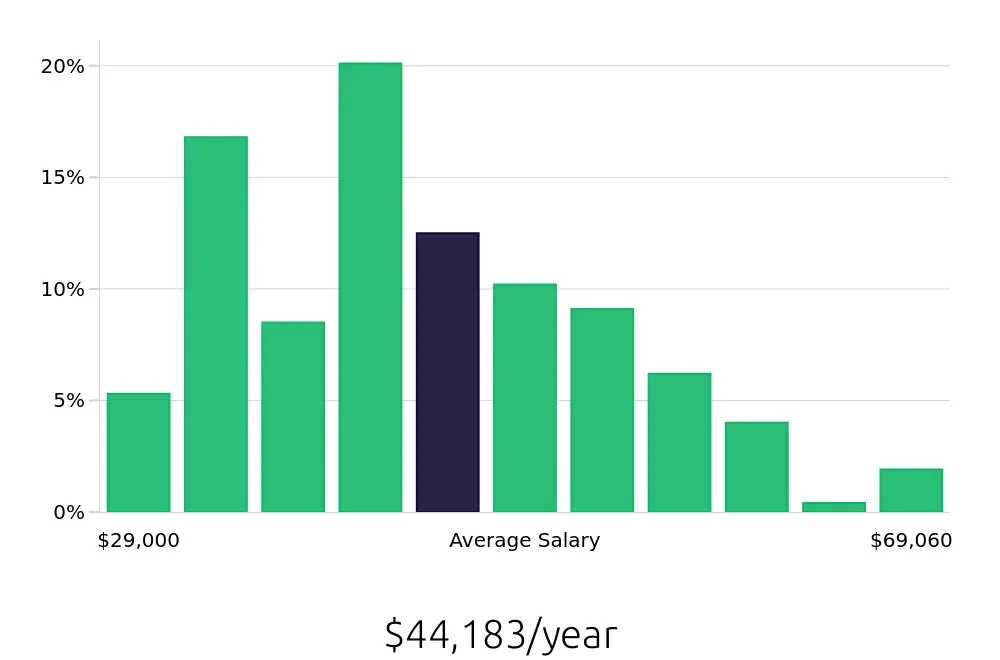
The average national annual compensation for Cabinet Builders stands at $44,620. This figure reflects the rewarding nature of the trade, where skilled artisans can earn a comfortable living. Additionally, the average national hourly compensation is $21.45, providing a good hourly rate for those in this profession. This compensation is a testament to the value that skilled Cabinet Builders bring to the industry.
Cabinet Builders with dedication and expertise in their craft will find ample opportunities in the job market. The combination of a steady job outlook and competitive compensation makes this a promising career path. Job seekers should focus on developing their skills and gaining experience to maximize their potential in this field.
Currently 53 Cabinet Builder job openings, nationwide.
Continue to Salaries for Cabinet Builder