What does a CAD Drafter do?
A CAD Drafter plays a crucial role in creating technical drawings and designs using computer-aided design software. They work with architects, engineers, and other professionals to bring their visions to life. Their work involves using specialized software to produce detailed 2D and 3D models. Each drawing must be precise and accurate to ensure that all components fit together properly. This attention to detail is vital for the success of any project.
The responsibilities of a CAD Drafter include creating and revising blueprints, preparing specifications, and ensuring all design standards are met. They must stay up-to-date with the latest software updates and industry practices. Collaboration with other team members is essential, as they often need to modify designs based on feedback. A CAD Drafter must have strong problem-solving skills and the ability to communicate effectively. Their work is fundamental in various fields, including construction, manufacturing, and engineering.
Key skills for a CAD Drafter include:
- Proficiency in CAD software such as AutoCAD, Revit, or SolidWorks.
- Attention to detail and accuracy in design.
- Ability to interpret blueprints and technical drawings.
- Strong communication and collaboration skills.
- Basic understanding of engineering and architectural principles.
How to become a CAD Drafter?
Becoming a CAD Drafter involves mastering the skills needed to create detailed technical drawings using Computer-Aided Design (CAD) software. This role is vital in industries such as architecture, engineering, and manufacturing. Here is a clear process to guide job seekers through becoming a proficient CAD Drafter.
The journey to becoming a CAD Drafter can be broken down into five essential steps:
- Get the right education: Start with a high school diploma or GED. Take courses in math, physics, and computer science if possible. Consider enrolling in a technical or vocational school to learn CAD software and drafting principles.
- Learn CAD software: Gain proficiency in popular CAD software like AutoCAD or SolidWorks. Many training programs and online courses can help you achieve this.
- Build a portfolio: Create a collection of your best work to showcase your skills. Include a variety of projects to demonstrate your versatility and proficiency.
- Gain experience: Look for internships or entry-level positions in architectural, engineering, or manufacturing firms. This hands-on experience is crucial for developing your skills and building your professional network.
- Get certified: Consider obtaining certifications such as the Certified CAD Drafter (CADD) to enhance your resume and stand out to potential employers.
How long does it take to become a CAD Drafter?
Many people wonder how long it takes to become a CAD Drafter. This journey can vary depending on education and experience. Most CAD Drafters hold a postsecondary certificate or an associate's degree. These programs often last between one to two years. Some employers prefer or require a bachelor's degree, which can take an additional two years.
After completing education, gaining experience is important. New CAD Drafters typically start as interns or entry-level drafters. They learn under more experienced workers. This on-the-job training can take about one to two years. Over time, CAD Drafters can move to more advanced roles with more responsibility. They may focus on specific areas like mechanical, electrical, or civil engineering. Experience and skill growth often lead to higher positions and better pay.
CAD Drafter Job Description Sample
We are seeking a skilled CAD Drafter to join our team. The successful candidate will be responsible for creating detailed technical drawings and blueprints using Computer-Aided Design (CAD) software. This role requires precision, attention to detail, and the ability to interpret engineering designs and technical specifications.
Responsibilities:
- Prepare accurate technical drawings and blueprints using CAD software.
- Convert design concepts into detailed CAD models.
- Collaborate with engineers and architects to ensure technical drawings meet project requirements.
- Review and update existing CAD models and drawings as necessary.
- Prepare project documentation, including design specifications and construction drawings.
Qualifications
- Bachelor's degree in Architecture, Engineering, or a related field.
- Proven experience as a CAD Drafter or similar role.
- Proficiency in CAD software (e.g., AutoCAD, SolidWorks, Revit).
- Strong understanding of design principles and technical drawing standards.
- Excellent attention to detail and accuracy.
Is becoming a CAD Drafter a good career path?
A CAD Drafter creates precise technical drawings using computer-aided design software. They work in various industries such as architecture, engineering, and manufacturing. The role combines creativity with technical skills. This profession offers stability and the chance to contribute to significant projects. Companies value CAD Drafters for their ability to turn ideas into detailed plans.
This career path has several pros and cons to consider. On the positive side, CAD Drafters enjoy steady job opportunities. They can work in many fields, from construction to electronics. Additionally, many companies offer competitive salaries. CAD Drafters often have flexible working hours. They can choose between on-site and remote work. However, the role may require long hours during critical deadlines. CAD Drafters must stay updated with the latest software and technologies. Balancing precision with creativity can also be challenging.
Here are some pros and cons to weigh:
- Pros:
- Steady job opportunities
- Flexible working hours
- Competitive salaries
- Variety of industries to work in
And here are some cons:
- Cons:
- Potential for long hours during deadlines
- Need to stay updated with new technologies
- Demand for precision and creativity balance
What is the job outlook for a CAD Drafter?
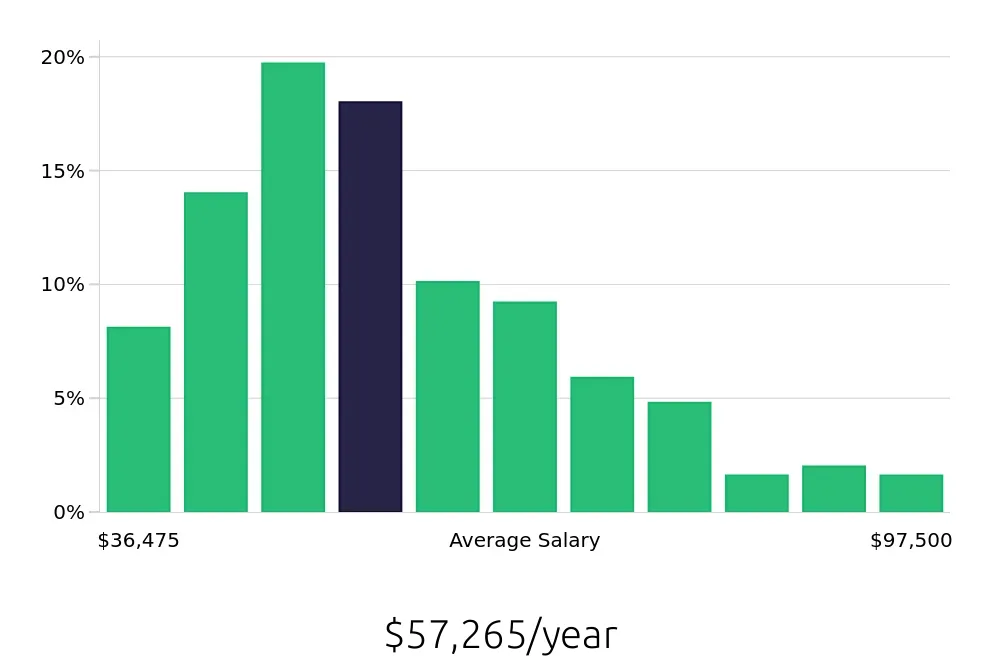
CAD drafters play a vital role in designing and developing technical drawings. According to the Bureau of Labor Statistics (BLS), there are around 16,600 job positions available for CAD drafters each year. Despite a projected percent change in job openings of -2.2% from 2022 to 2032, the demand for skilled CAD professionals remains steady. The average national annual compensation for CAD drafters stands at $66,840, and the hourly rate is about $32.13, offering a stable and rewarding career path.
The use of computer-aided design (CAD) software is widespread across various industries, including architecture, engineering, and manufacturing. This widespread adoption ensures job stability and growth opportunities for CAD drafters. The ability to create precise technical drawings and models is crucial in these sectors, making CAD drafters a valuable asset in many companies. Those interested in this career can expect a fulfilling profession with competitive pay and growth potential.
A career in CAD drafting not only offers financial benefits but also provides the chance to work on innovative projects. With technological advancements, the skills of CAD drafters are in high demand. Job seekers with proficiency in CAD software can look forward to a promising job market. The average compensation and growth opportunities make CAD drafting an attractive career choice for those with the right skill set.
Currently 116 CAD Drafter job openings, nationwide.
Continue to Salaries for CAD Drafter