What does a Cage Supervisor do?
A Cage Supervisor plays an important role in a financial institution or other business settings. This position ensures the smooth operation of the front desk and helps maintain a professional environment. The Cage Supervisor oversees the work of tellers and assists customers with their financial needs. This role requires attention to detail, strong communication skills, and the ability to manage a team effectively.
Responsibilities of a Cage Supervisor include training and mentoring tellers, ensuring customer transactions are processed accurately, and managing the day-to-day operations of the front desk. They also handle customer complaints and inquiries, making sure that every customer receives excellent service. Additionally, the Cage Supervisor ensures compliance with all bank policies and procedures, including security and fraud prevention protocols. This role often involves problem-solving on the fly, making it essential to stay calm and focused under pressure.
How to become a Cage Supervisor?
Becoming a Cage Supervisor can open many doors in the industry. This role involves overseeing the security and operations within a secure area. It requires a blend of vigilance, leadership, and communication skills. Below are key steps to take in this career path.
To start, gaining relevant experience in a security or related field is crucial. This experience helps build the necessary skills for managing and supervising security teams. Look for roles that offer training in surveillance, access control, and emergency response. Networking with professionals in the field can provide insights and potential job leads.
- Get the Right Education: Many employers look for candidates with a high school diploma. Some positions may require additional training or certifications in security management.
- Gain Experience: Work in entry-level security positions. This builds your practical knowledge and skills. Experience in customer service can also be beneficial.
- Obtain Certifications: Consider getting certified as a Security Supervisor or similar role. Certifications enhance your resume and demonstrate your commitment to the profession.
- Network: Attend industry events and join professional organizations. Networking can lead to job opportunities and valuable connections.
- Apply for Positions: Look for Cage Supervisor openings. Tailor your resume and cover letter to highlight relevant experience and skills.
How long does it take to become a Cage Supervisor?
Interested in learning how long it takes to become a Cage Supervisor? This job plays a key role in keeping things running smoothly at financial institutions. It can take some time to get the right training and experience. Most people need at least a high school diploma to start. A few may have prior work experience in customer service or banking. It helps to have a good understanding of financial processes.
The path to becoming a Cage Supervisor often includes both education and on-the-job training. Some employers may prefer candidates who have completed a post-secondary certificate in banking or finance. This training can take about one to two years. Other employers may offer training programs that last several months. These programs cover important topics like handling cash, providing customer service, and managing transactions. This combination of education and training typically takes around one to three years in total.
Cage Supervisor Job Description Sample
The Cage Supervisor is responsible for overseeing the day-to-day operations of the animal care facility, ensuring the highest standards of animal welfare and compliance with regulatory requirements. This role involves managing a team of animal care technicians, coordinating with veterinarians, and maintaining accurate records.
Responsibilities:
- Supervise and coordinate the activities of animal care technicians to ensure proper care and maintenance of animals.
- Ensure all animal care procedures adhere to institutional, state, and federal guidelines and ethical standards.
- Monitor the health and well-being of animals, reporting any concerns to veterinarians promptly.
- Coordinate with veterinarians and veterinary technicians to schedule and oversee medical procedures.
- Maintain detailed records of animal health, treatments, and procedures.
Qualifications
- Bachelor's degree in Animal Science, Biology, or a related field.
- Minimum of 3 years of experience in a laboratory animal care setting.
- Certified Animal Welfare Administrator (CAWA) or equivalent certification preferred.
- Strong knowledge of animal care regulations and ethical standards.
- Excellent leadership and team management skills.
Is becoming a Cage Supervisor a good career path?
A Cage Supervisor oversees the daily operations of an animal shelter. This role involves managing staff, ensuring animal care, and maintaining the shelter environment. Supervisors coordinate tasks, train staff, and handle administrative duties. They interact with animals and staff to create a safe and efficient space.
Cage Supervisors work in animal shelters, zoos, or veterinary clinics. Responsibilities include overseeing animal care, managing shelter staff, and ensuring clean and safe environments. They often handle administrative tasks like scheduling and record-keeping. This role demands strong organizational skills, the ability to handle stress, and a love for animals.
Consider these pros and cons of being a Cage Supervisor:
- Pros:
- Interact with animals and help improve their lives.
- Play a key role in animal care and shelter operations.
- Potential for career growth and advancement.
- Work in a meaningful and fulfilling environment.
- Cons:
- Possible exposure to animal diseases and stress from handling animals in distress.
- Irregular hours, including weekends and holidays.
- Demanding work environment with high responsibility.
- Limited opportunities for remote work.
Being a Cage Supervisor requires dedication and passion for animal welfare. Weighing the pros and cons will help decide if this career path is right for you.
What is the job outlook for a Cage Supervisor?
Cage Supervisors play a critical role in the logistics and transportation industry. They manage workers who handle and transport animals, ensuring safety and efficiency. The Bureau of Labor Statistics (BLS) reports an average of 1100 job positions for Cage Supervisors each year. This figure indicates a steady demand for professionals who can oversee these specialized operations.
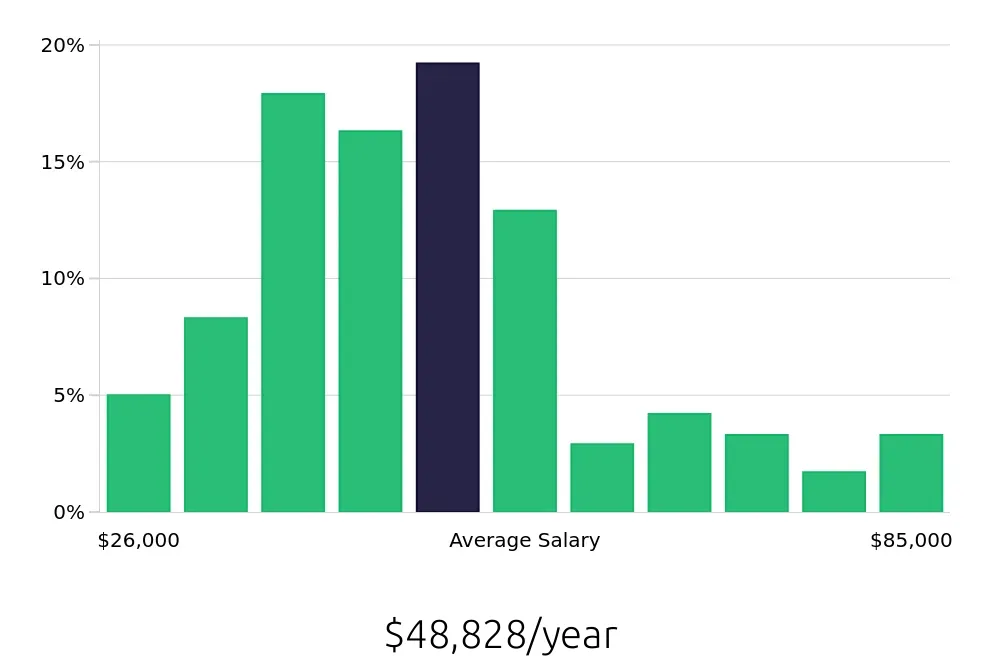
While the number of job openings may see a slight decline of 5.4% from 2022 to 2032, according to BLS data, there are still ample opportunities. This decline suggests that while the role remains important, the need for new Cage Supervisors may decrease marginally. However, those in the field can expect stable employment prospects. Cage Supervisors can expect an average annual salary of $36,750. This compensation reflects the skill and responsibility required for the position.
In hourly terms, the average wage for Cage Supervisors stands at $17.67, as per BLS data. This rate underscores the importance of the role in the broader logistics and transportation sector. Job seekers should note that while the job outlook has slight challenges, it remains a viable career path with solid earning potential. Aspiring Cage Supervisors can prepare for this profession with a focus on animal handling, logistics management, and team leadership skills.
Currently 44 Cage Supervisor job openings, nationwide.
Continue to Salaries for Cage Supervisor