What does a Captain do?
A Captain leads and directs a team with authority and expertise. This role involves making crucial decisions, ensuring operations run smoothly, and overseeing projects to success. A Captain provides guidance, encourages teamwork, and maintains high standards within their area. Their responsibilities often include strategic planning, problem-solving, and effective communication with stakeholders.
To excel as a Captain, one must possess strong leadership skills, a clear vision, and the ability to motivate others. They need to manage resources wisely, handle conflicts, and ensure the team meets its goals. A Captain must also stay updated with industry trends and continuously improve processes. Their leadership inspires confidence and drives the team toward achieving their objectives.
Key tasks for a Captain include:
- Managing and leading a team
- Developing strategic plans
- Ensuring smooth operations
- Motivating and guiding team members
- Resolving conflicts and issues
How to become a Captain?
Becoming a Captain is a goal that requires dedication and the right steps. It involves understanding the responsibilities and the path to achieve this prestigious role. Follow these essential steps to chart your course toward becoming a Captain.
To embark on this journey, first, obtain a commercial pilot license. This involves completing required flight hours and passing a series of exams. Next, gain experience as a pilot. Work with an airline or in another capacity to build up flight hours. Obtain additional certifications such as instrument ratings and multi-engine ratings. Build a strong aviation resume. Highlight your flight hours and any notable achievements.
- Obtain a Commercial Pilot License (CPL): Complete flight training and pass the necessary exams.
- Gain Flight Experience: Accumulate flight hours by working with an airline or other aviation-related jobs.
- Obtain Additional Ratings: Get instrument and multi-engine ratings to enhance qualifications.
- Build a Strong Resume: Highlight flight hours and achievements to stand out to employers.
- Apply for Captain Positions: Seek job openings and prepare for interviews with major airlines.
How long does it take to become a Captain?
The journey to becoming a Captain involves several key steps. First, one must complete the necessary training and gain experience as a pilot. This often includes obtaining a commercial pilot license and working under experienced pilots to gather flight hours.
After accumulating sufficient experience, aspiring Captains typically pursue an airline transport pilot (ATP) certificate. This process can take between one to three years, depending on factors like the number of flight hours required and the time available to fly each week. Once the ATP certificate is earned, a pilot may start working as a First Officer. Over time, with continued experience and training, they can advance to the role of Captain.
Captain Job Description Sample
The Captain is responsible for the overall operation and safety of a vessel. They lead and manage a crew, ensure compliance with maritime regulations, and make critical decisions during voyages. The Captain is the ultimate authority on board and is accountable for the ship's success and safety.
Responsibilities:
- Lead and manage the crew, ensuring effective communication and teamwork.
- Plan and execute voyages, including route planning, scheduling, and logistics.
- Ensure compliance with maritime laws, regulations, and safety standards.
- Make critical decisions during emergencies and unexpected situations to ensure the safety of the crew and vessel.
- Oversee the maintenance and operation of the vessel, including regular inspections and repairs.
Qualifications
- A valid Merchant Marine Officer's license or equivalent.
- Extensive experience as a maritime officer, with a proven track record of safe and successful voyages.
- Strong leadership and management skills, with the ability to motivate and manage a diverse crew.
- In-depth knowledge of maritime laws, regulations, and safety standards.
- Excellent decision-making and problem-solving skills, with the ability to remain calm under pressure.
Is becoming a Captain a good career path?
A career as a captain can be both rewarding and demanding. This role typically involves leading a team and ensuring that operations run smoothly. People who become captains often enjoy a sense of authority and the chance to make important decisions. They also get to travel and experience different places, which can be very exciting. Working with a team, captains learn a lot about leadership and problem-solving. Being a captain means taking on responsibility, which can lead to growth both personally and professionally.
However, the path to becoming a captain comes with its challenges. One major con is the stress that comes with making tough decisions. Captains must often think quickly and act decisively. This can be very demanding and stressful. The job also requires a lot of responsibility, which can lead to long hours and less time for personal life. Traveling and working away from home can be a challenge, too. Captains need to be away from their families for extended periods, which can be hard on personal relationships.
When considering a career as a captain, it is important to weigh both the pros and the cons.
Here are some pros to consider:
- Opportunities to travel and see new places
- Chance to develop leadership skills
- Higher earning potential
- Sense of authority and responsibility
- Job satisfaction from leading a team
Here are some cons to think about:
- High levels of stress and pressure
- Long and irregular hours
- Frequent travel can be tough on family life
- Decisions with serious consequences
- Potential for physical and mental fatigue
What is the job outlook for a Captain?
The job outlook for Captain positions remains steady and promising, with an average of 3,300 job openings each year, according to the Bureau of Labor Statistics (BLS). This stability indicates a consistent demand for skilled professionals in this role. The BLS also projects a modest 2.0% increase in job openings from 2022 to 2032, which is a favorable sign for those considering this career path.
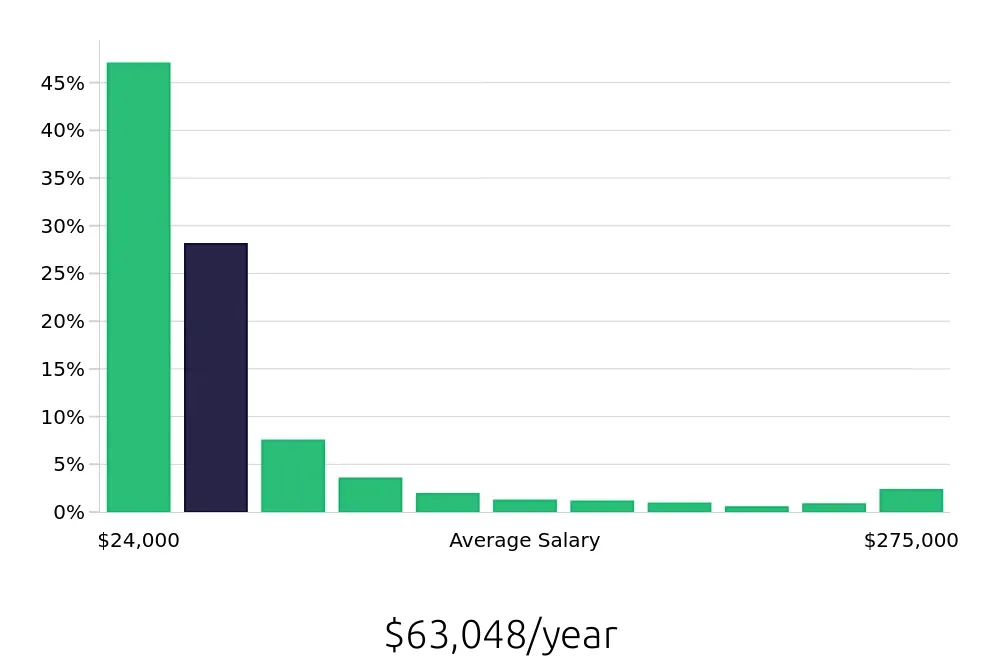
Candidates in this field can expect a competitive salary, with an average national annual compensation of $53,470. Hourly rates stand at an average of $25.71, reflecting the importance and responsibility of the role. These figures highlight the financial benefits of pursuing a career as a Captain.
The data from the BLS also provides a clear picture of the job market for Captains, making it easier for job seekers to plan their career steps. With a positive job outlook and good compensation, becoming a Captain is a viable and rewarding career choice.
Currently 480 Captain job openings, nationwide.
Continue to Salaries for Captain