What does a Chief Operating Officer do?
A Chief Operating Officer (COO) plays a key role in managing a company’s daily operations. This person ensures that all parts of the organization work together smoothly. The COO helps set the company’s goals and strategies to achieve them. This role involves overseeing various departments, including production, sales, and marketing. The COO must ensure each department runs efficiently and meets the company’s objectives.
The COO works closely with the Chief Executive Officer (CEO) and other executives. They make important decisions that impact the company’s performance. They need strong leadership skills and the ability to manage teams effectively. A successful COO balances short-term needs with long-term goals. This role requires strategic thinking and the ability to adapt to changes in the market. The COO ensures that the company runs smoothly and remains competitive.
How to become a Chief Operating Officer?
Becoming a Chief Operating Officer (COO) can open many career doors. This role involves overseeing daily operations and implementing strategies. It demands strong leadership, communication, and problem-solving skills. Here is how to achieve this goal in a clear, step-by-step process.
The journey to becoming a COO begins with gaining the right education and experience. Start by earning a bachelor's degree in a relevant field. Common degrees include business administration, management, or finance. Build experience in management roles. Focus on roles that require oversight of operations or teams. Networking with industry professionals also plays a crucial part.
- Earn a Degree: Start with a bachelor's degree in a relevant field. A degree in business, management, or finance is ideal.
- Gain Experience: Work in roles that offer management experience. Positions like team leader or department head are good starts.
- Advance Your Career: Move into higher-level positions. Look for roles like operations manager or director of operations.
- Specialize in Operations: Focus on developing skills in operational efficiency, process improvement, and strategic planning.
- Network: Build relationships with professionals in the industry. Attend conferences, join professional organizations, and connect with peers.
How long does it take to become a Chief Operating Officer?
The journey to becoming a Chief Operating Officer (COO) often takes several years of experience and education. Many professionals start with a bachelor's degree in business, management, or a related field. After earning a degree, one can gain valuable experience through various roles within a company. These roles might include positions in management, operations, or finance.
Gaining experience in these areas allows a professional to develop key skills, such as leadership, strategic planning, and financial management. Some companies require a master's degree, such as an MBA, to advance to higher executive roles. Networking and mentorship also play important parts in this journey. Aspiring COOs often take on more responsibility over time and move up the corporate ladder. This path can take anywhere from 10 to 20 years, depending on the individual and the industry.
Chief Operating Officer Job Description Sample
The Chief Operating Officer (COO) is a key leadership position responsible for overseeing the company's day-to-day operations and ensuring the business runs efficiently. This role is crucial in aligning the company's operational strategies with its overall goals and objectives. The COO works closely with other executives to drive growth, improve operational efficiency, and enhance the company's overall performance.
Responsibilities:
- Oversee and manage all operational aspects of the company to ensure efficient and effective operations.
- Develop and implement operational strategies that align with the company's overall goals and objectives.
- Collaborate with other executive leaders to drive the company's strategic initiatives and ensure alignment across all departments.
- Monitor and analyze operational performance metrics to identify areas for improvement and implement necessary changes.
- Ensure compliance with all regulatory requirements and internal policies and procedures.
Qualifications
- Bachelor’s degree in Business Administration, Management, or a related field; MBA or advanced degree preferred.
- Proven experience in a senior operational leadership role, with a track record of driving operational success and efficiency.
- Strong strategic thinking and problem-solving skills, with the ability to translate strategic goals into actionable operational plans.
- Excellent leadership and team management skills, with experience in building and leading high-performing teams.
- Strong financial acumen and experience in budget management and financial planning.
Is becoming a Chief Operating Officer a good career path?
The role of a Chief Operating Officer (COO) is both challenging and rewarding. This position involves overseeing daily operations, ensuring efficiency, and driving company growth. The COO collaborates closely with the CEO, often shaping the company's strategic direction. This role requires strong leadership skills, a deep understanding of business operations, and the ability to manage large teams effectively.
Working as a COO offers several benefits and challenges. Consider these key points when exploring this career path.
- Pros:
- High earning potential. Chief Operating Officers often receive competitive salaries and bonuses.
- Significant influence. The COO has a direct impact on a company's performance and direction.
- Diverse responsibilities. The role includes various tasks, from strategy development to day-to-day operations, keeping work interesting.
- Cons:
- High pressure. The job comes with significant responsibility and demands, which can lead to stress.
- Long hours. A COO may need to work extensive hours, especially during critical periods.
- Complexity. Managing a large organization involves navigating many complexities and challenges.
What is the job outlook for a Chief Operating Officer?
The Chief Operating Officer (COO) role offers a promising career path for job seekers looking to take on a leadership position. This position typically oversees day-to-day operations within a company. It requires strong management skills and a deep understanding of the business. The role is critical for ensuring operational efficiency and effectiveness.
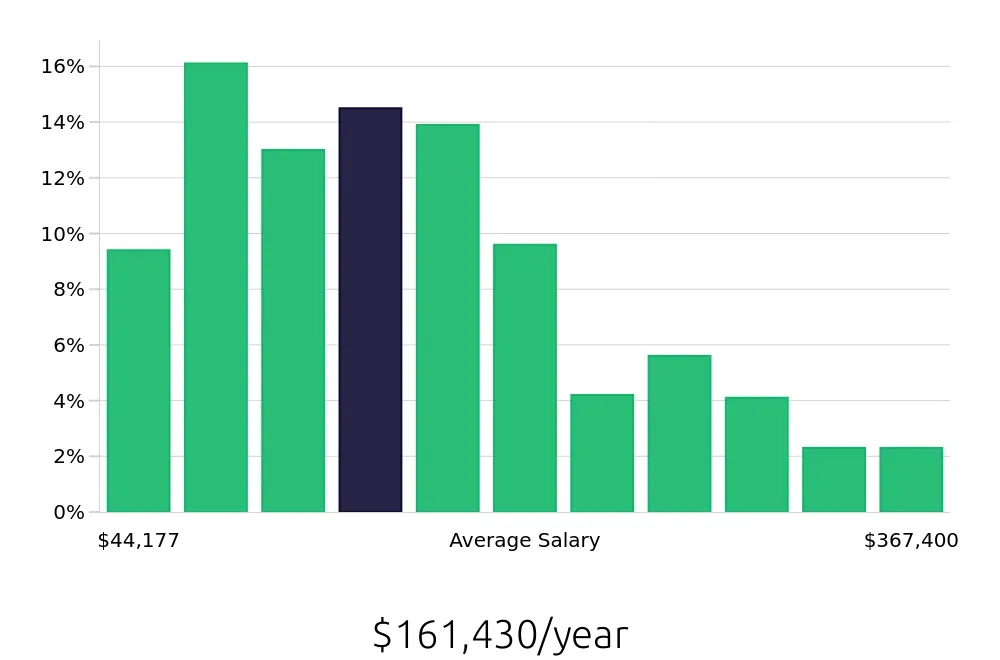
Job seekers interested in the COO role can look forward to a robust average annual compensation of $258,900, according to the Bureau of Labor Statistics (BLS). This figure highlights the high earning potential for those who reach this executive level. Hourly compensation averages $124.47, further emphasizing the value placed on the skills and responsibilities of a COO. These figures make the role attractive to those seeking both professional growth and financial rewards.
While the BLS reports a projected percent change of -8.2% in job openings for COOs from 2022 to 2032, this trend does not diminish the importance of the role. In fact, it highlights the need for highly skilled and experienced COOs. Companies continue to value effective operational management to drive business success. Therefore, job seekers who pursue the COO role can find plenty of opportunities, even with slight changes in job market trends.
Currently 390 Chief Operating Officer job openings, nationwide.
Continue to Salaries for Chief Operating Officer