What does a Clerk Typist do?
A Clerk Typist plays a key role in supporting office operations. They handle various tasks that ensure smooth administrative processes. This position requires strong typing skills and attention to detail. A Clerk Typist drafts documents, letters, reports, and other written materials. They manage and maintain files, ensuring they are organized and easily accessible. Communication is crucial, as Clerk Typists often coordinate with team members and external contacts. Their work contributes to the efficient running of the office.
Clerk Typists also perform data entry tasks, ensuring accuracy and timely updates. They may assist with scheduling meetings and events, handling correspondence, and organizing documents. This position involves multitasking and prioritizing tasks to meet deadlines. Clerk Typists should be comfortable using office software and tools. Their role is essential for maintaining an organized and efficient office environment.
How to become a Clerk Typist?
To become a Clerk Typist, one must follow a structured path. This role involves typing documents, managing files, and administrative tasks. Securing a position requires specific skills and steps.
First, individuals should obtain a high school diploma or GED. This educational base is crucial. Next, acquiring typing skills is essential. This can be done through courses at community colleges or online platforms. Proficiency in typing speeds and accuracy is important. Many Clerk Typist jobs require a minimum typing speed of 40 words per minute.
After mastering typing skills, individuals should consider relevant experience. Volunteering or part-time jobs in administrative roles can be beneficial. This experience helps in understanding office environments and duties. Seeking certification in office software, such as Microsoft Office, is also advisable. This enhances the skill set and makes candidates more competitive.
- Obtain a high school diploma or GED.
- Take typing courses to improve speed and accuracy.
- Gain experience through internships or part-time jobs.
- Learn office software like Microsoft Word and Excel.
- Prepare a resume highlighting relevant skills and experience.
How long does it take to become a Clerk Typist?
Clerk typists handle many tasks in an office. These tasks often include typing documents, filing, and answering phone calls. The time it takes to become one can vary. Most people find it takes around one to two years to gain the necessary skills and training. Some people choose to go to a vocational school or take online courses. These programs offer training in typing, computer skills, and office procedures.
Experience is also important. Many employers prefer candidates with some work experience. Internships and part-time jobs can be a great way to gain this experience. They allow people to practice typing and other office tasks. Some people may also choose to get a certificate in office administration. This can make them more competitive in the job market. Most clerk typists find that with the right training and experience, they can start working in a few months to a year.
Clerk Typist Job Description Sample
We are seeking a skilled Clerk Typist to join our team. This role involves providing administrative support by performing clerical and typing tasks with precision and efficiency. The ideal candidate will have excellent typing skills, attention to detail, and the ability to work in a fast-paced environment.
Responsibilities:
- Prepare and format documents, including letters, reports, and presentations.
- Type, edit, and proofread documents to ensure accuracy and quality.
- Maintain and update filing systems, both physical and digital.
- Manage office correspondence, including emails and phone calls.
- Assist with scheduling meetings and maintaining calendars.
Qualifications
- Proven experience as a Clerk Typist or similar role.
- High typing speed and accuracy with excellent keyboarding skills.
- Strong attention to detail and ability to produce error-free documents.
- Proficiency in Microsoft Office Suite (Word, Excel, PowerPoint).
- Excellent organizational and time-management skills.
Is becoming a Clerk Typist a good career path?
A Clerk Typist works in an office and handles a lot of typing and paperwork. They often type up letters, documents, and reports. They also keep track of files and sometimes handle phone calls. This role can be found in many places, such as in government offices, schools, or businesses. A Clerk Typist needs good typing skills and attention to detail.
Choosing to be a Clerk Typist comes with its own set of advantages and challenges. Here are some pros and cons to think about:
- Pros:
- Stable Job: Many offices need Clerk Typists, so the job is often secure.
- Skills Development: You learn to type quickly and manage information well.
- Good Pay: Depending on the place, Clerk Typists can earn a decent salary.
- Cons:
- Repetitive Work: The job can be very repetitive, with a lot of typing.
- Sitting for Long Hours: You spend most of your time sitting at a desk.
- Limited Growth: It may be hard to move up without more training or education.
What is the job outlook for a Clerk Typist?
Job seekers looking to become a Clerk Typist can find plenty of opportunities in the coming years. The Bureau of Labor Statistics (BLS) reports an average of 15,300 job positions for Clerk Typists each year. This role is vital in many industries, from government to finance and beyond. With steady demand, Clerk Typists can expect a stable job market.
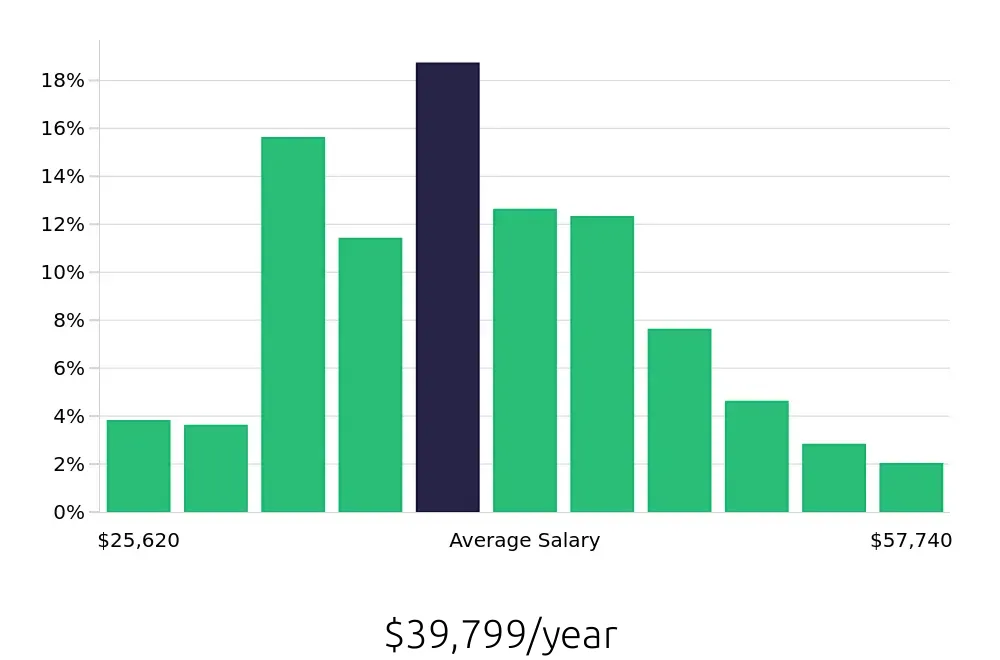
The average annual compensation for a Clerk Typist stands at $41,490, according to the BLS. This income reflects the important skills and responsibilities that come with the job. Many Clerk Typists also receive benefits like health insurance and retirement plans. These factors make this profession attractive for job seekers who value job security and a decent salary.
While job openings for Clerk Typists are expected to decrease by 28.7% from 2022 to 2032, this does not mean a lack of opportunities. Advancements in technology may change some aspects of the job, but the need for skilled Clerk Typists remains. Job seekers who are detail-oriented and tech-savvy will find good prospects in this field. With the right training and skills, a Clerk Typist can build a rewarding career.
Currently 82 Clerk Typist job openings, nationwide.
Continue to Salaries for Clerk Typist