Position
Overview
A Closer plays a critical role in the sales process. This role involves identifying potential clients, understanding their needs, and guiding them through the process of purchasing a product or service. The Closer works closely with the sales team to ensure that potential clients are well informed and satisfied with their choices. This position requires strong communication skills and the ability to build lasting relationships with clients.
The Closer meets with potential clients to discuss their needs and how the company's offerings can meet those needs. The Closer works to understand the client's situation and tailors solutions to meet their specific requirements. They present product or service options and handle objections effectively. The role also involves negotiating terms and finalizing the sale. A Closer must stay up-to-date with market trends and company products to provide accurate information and stay competitive. They also track sales progress and provide feedback to the sales team to improve overall performance.
Becoming a closer involves a structured process that requires specific skills and dedication. A closer plays a crucial role in sales, finalizing deals and ensuring customer satisfaction. Here is an outline to guide you through the journey.
Start by gaining a solid understanding of sales and customer relationship management. This includes learning about negotiation techniques, communication skills, and how to read customer needs. Education in business or a related field can be beneficial. Next, seek relevant experience in sales or customer service roles. This hands-on experience helps in applying theoretical knowledge to real-world situations.
Steps to becoming a closer include:
Each step builds on the previous one, leading to a successful career as a closer. With dedication and the right skills, you can excel in this rewarding field.
Achieving the role of a Closer requires dedication and effort. Most Closers start with an entry-level position in sales. They gain experience and develop necessary skills before advancing to a Closer role. This journey typically spans two to five years. It depends on the individual's pace and dedication to learning.
The timeline for becoming a Closer includes several key steps. First, individuals must complete any necessary education or training. This might involve a degree in business, marketing, or a related field. Next, they enter the workforce in a sales-related position. Here, they start building experience. A Closer must learn to communicate effectively, understand customer needs, and close sales. These skills develop over time through practice and mentorship. Many Closers continue to learn and grow even after they reach their role.
We are looking for a skilled Closer who is adept at closing deals and maintaining client relationships. The Closer will be responsible for following up on leads, negotiating contracts, and ensuring customer satisfaction throughout the sales process.
Responsibilities:
Qualifications
A Closer works to finalize sales by persuading potential customers to complete a purchase. This role is crucial in businesses where a sale often requires significant effort to close. Closers typically follow up on leads, engage in sales pitches, and handle objections to secure sales. Their work environment often includes meetings, presentations, and sometimes travel to meet with clients.
Being a Closer involves both rewards and challenges. Consider these pros and cons to understand what this career entails.
Becoming a Closer is a solid choice for job seekers looking for steady employment opportunities. The Bureau of Labor Statistics (BLS) reports an average of 11,400 job positions for Closers each year. This provides a reliable number of openings for those seeking to enter the field. With a projected job openings percent change of 1.0% from 2022 to 2032, job stability remains strong. This suggests that the demand for Closers will continue to be steady, offering job security and growth opportunities.
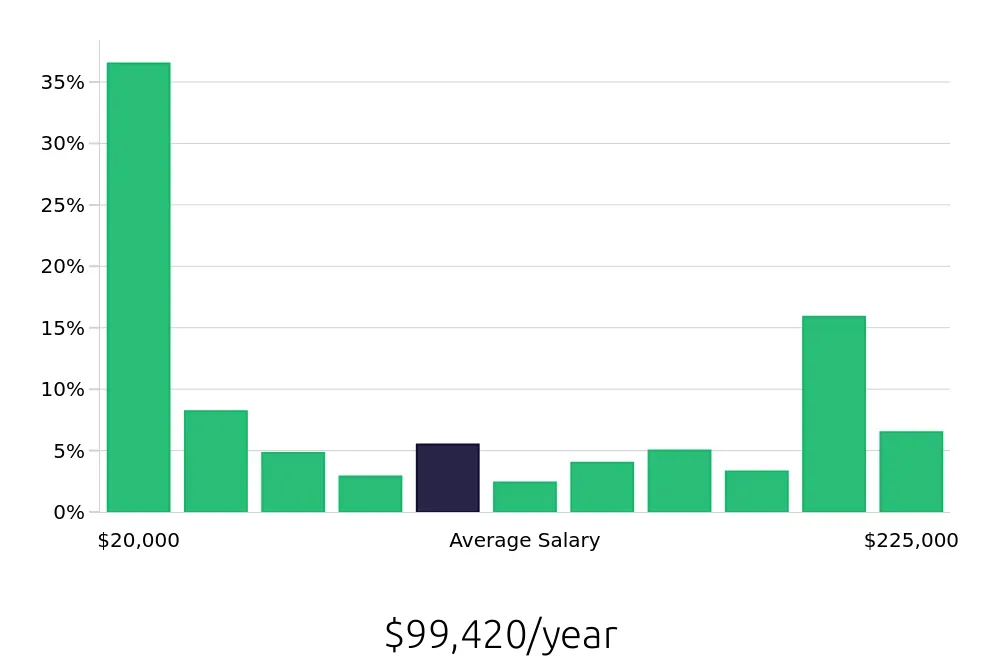
Closers can also look forward to a competitive salary. The average national annual compensation stands at $70,440. This reflects the value of the skills and experience Closers bring to their roles. Additionally, the average national hourly compensation is $33.87, providing a clear picture of the earnings potential in this field. These figures highlight the financial benefits that come with a career as a Closer, making it an attractive option for job seekers.
Job seekers will find numerous opportunities in this field, supported by the strong job outlook and competitive compensation. The combination of stable job growth and attractive earnings makes a career as a Closer both viable and rewarding. For those considering this path, the future looks promising with ample opportunities and benefits.