What does a Collections Specialist do?
A Collections Specialist works to ensure businesses recover money owed by customers. They review accounts and contact customers who have unpaid balances. This role involves clear communication and negotiation skills. The specialist aims to resolve debts without causing customer dissatisfaction. They often use computers and phone systems to manage accounts and track payments.
In this position, the specialist follows a structured process to manage collections. They start by identifying overdue accounts and sending reminders. If necessary, they make phone calls to discuss payment options. Each interaction aims to maintain good customer relationships while achieving payment goals. The specialist must stay organized and detail-oriented to manage multiple accounts efficiently. Attention to deadlines and legal requirements is also crucial in this role.
How to become a Collections Specialist?
Becoming a Collections Specialist can lead to a fulfilling career in finance. This role requires a mix of skills, including communication, negotiation, and attention to detail. Individuals who enjoy helping others settle their debts may find this career rewarding. Follow these steps to start your journey as a Collections Specialist.
The first step towards becoming a Collections Specialist involves gaining the necessary education and training. Most employers require at least a high school diploma. Some prefer candidates who have completed post-secondary education in business, finance, or a related field. Many professionals take courses in debt collection and customer service to enhance their skills.
- Obtain the necessary education and training: High school diploma required, with post-secondary education preferred.
- Get relevant experience: Look for internships or entry-level positions in finance or customer service. This experience helps build skills and gain industry knowledge.
- Develop key skills: Focus on communication, negotiation, and problem-solving. These skills are crucial for collecting debts and resolving issues.
- Get certified: Although not always required, certification can boost your resume. Consider earning a certification from the National Federation of Credit Counseling (NFCC) or the American Fair Credit Council (AFCC).
- Apply for jobs: Search for Collections Specialist positions on job boards, company websites, and through networking. Tailor your resume to highlight relevant skills and experience.
Building experience and skills in collections is vital. Seek internships or entry-level jobs in finance or customer service. This experience helps you learn the industry and gain practical skills. Collections Specialists must be good at talking and solving problems. Strong communication and negotiation skills help resolve disputes and collect debts. Certification can also enhance your qualifications. Finally, start applying for Collections Specialist jobs. Use job boards, company websites, and networking to find opportunities. Tailor your resume to show your skills and experience.
How long does it take to become a Collections Specialist?
Becoming a Collections Specialist involves several steps. Most people start with a high school diploma. Some employers may prefer a college degree, but it is not always needed. Most training takes place on the job. You may need to complete a company's training program before you start working.
Training usually takes a few weeks to a couple of months. You learn about the company's systems and processes. You also learn how to talk with customers about their accounts. Employers often offer ongoing training to help you grow in your role. With experience, you can move up to senior positions or specialize in more complex collections.
The time to reach full competence can vary. Some people feel ready after a few months. Others take longer. It helps to be patient and ask for help when needed. This field offers good job growth and a steady income. With dedication and the right skills, you can build a successful career as a Collections Specialist.
Collections Specialist Job Description Sample
We are seeking a skilled Collections Specialist to join our team. The ideal candidate will have a strong background in collections and customer service, excellent communication skills, and a proven ability to resolve customer disputes. The Collections Specialist will be responsible for managing accounts, communicating with customers, and ensuring timely and accurate collection of payments.
Responsibilities:
- Manage accounts and ensure timely and accurate collection of payments.
- Communicate with customers to resolve payment disputes and inquiries.
- Maintain accurate records of accounts and transactions.
- Utilize collection software and tools to track and manage accounts.
- Develop and implement strategies to improve collections performance.
Qualifications
- High school diploma or equivalent required; associate's or bachelor's degree preferred.
- Proven experience in collections, customer service, or a related field.
- Strong communication and interpersonal skills.
- Proficient in Microsoft Office and collection software.
- Ability to work independently and as part of a team.
Is becoming a Collections Specialist a good career path?
Working as a Collections Specialist involves contacting customers to collect payments for overdue bills. This role requires strong communication skills and a good understanding of financial principles. Companies in various industries, such as finance, healthcare, and retail, hire Collections Specialists. These professionals play a key role in helping businesses maintain steady cash flow.
Being a Collections Specialist has its own set of benefits and challenges. Consider these points before pursuing this career.
Advantages of becoming a Collections Specialist include:
- Helping businesses recover overdue payments.
- Developing strong communication and negotiation skills.
- Working in a role that directly impacts a company’s financial health.
- Opportunities for career growth and specialization in different areas of collections.
On the downside, Collections Specialists face:
- Dealing with difficult customers who may be upset or uncooperative.
- Working in a high-pressure environment with tight deadlines.
- Experiencing potential job stress from repeated rejections.
- Limited opportunities for advancement unless additional skills or qualifications are acquired.
What is the job outlook for a Collections Specialist?
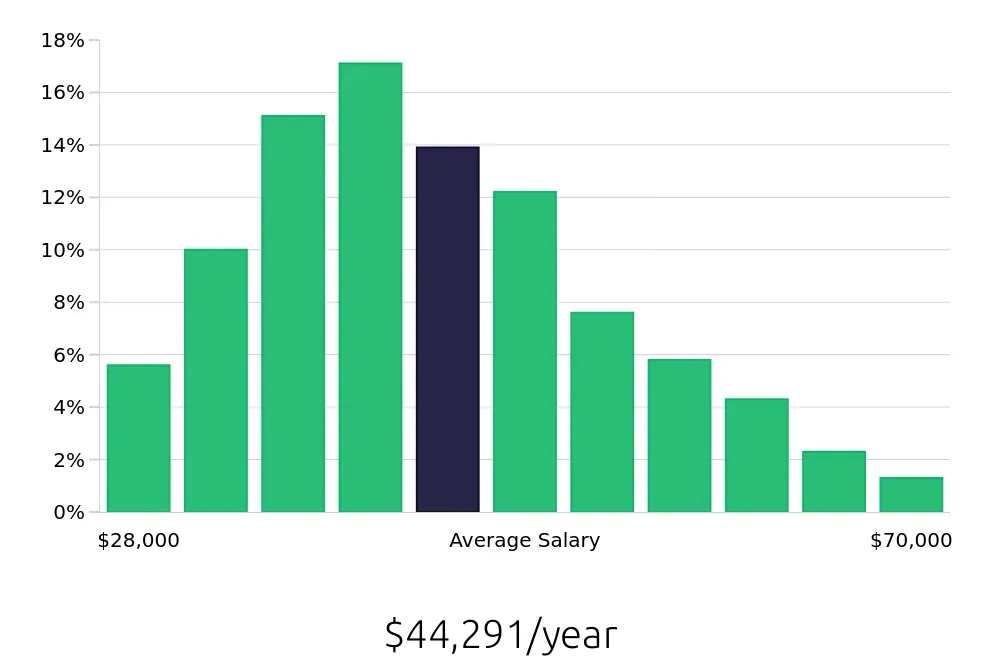
The job outlook for Collections Specialists looks promising for job seekers. The Bureau of Labor Statistics (BLS) reports about 27,700 job positions available each year. This consistent demand reflects the ongoing need for skilled professionals in this field. With an average annual salary of $82,000, it presents a lucrative career path. These figures show a stable and rewarding opportunity for those entering or looking to transition into collections.
Additionally, the BLS projects a 3.1% change in job openings from 2022 to 2032. This positive growth indicates a steady demand for Collections Specialists. Job seekers can expect a reliable career with potential for advancement. The market remains favorable, providing numerous opportunities for those skilled in this area. This outlook makes Collections Specialists a good choice for anyone seeking job stability and growth.
The average national hourly compensation for Collections Specialists stands at $39.43, according to the BLS. This hourly rate highlights the value placed on professionals in this role. Job seekers can anticipate competitive pay for their expertise. This compensation reflects the specialized skills and knowledge required. For those entering the field, it promises a fair return on their investment in education and training.
Currently 846 Collections Specialist job openings, nationwide.
Continue to Salaries for Collections Specialist