What does a Commercial Insurance Inspector do?
A Commercial Insurance Inspector assesses and examines commercial property to determine risk levels for insurance purposes. This role involves visiting businesses to review their physical locations, evaluating potential hazards, and ensuring compliance with safety regulations. Inspectors analyze the layout, materials, and equipment of commercial sites to help insurers decide on coverage and premiums. Their work often includes reviewing documents and communicating findings clearly to insurance underwriters.
Commercial Insurance Inspectors use their observations to create detailed reports. They examine building structures, fire prevention systems, and other safety measures. Inspectors may also test emergency systems like alarms and sprinklers. Their evaluations are crucial in helping insurance companies make informed decisions. Inspectors work closely with property owners and insurers to suggest improvements that could lower risk and cost. They must stay informed about the latest safety standards and insurance practices.
How to become a Commercial Insurance Inspector?
Becoming a Commercial Insurance Inspector involves several steps that lead to a rewarding career. This role requires a mix of skills and experiences that ensure professionals can evaluate risks for businesses. Starting this career path involves dedication and the right steps.
Here are five key steps to becoming a Commercial Insurance Inspector:
- Get an Education: Start with a high school diploma or equivalent. Some inspectors hold a college degree, but it’s not always required.
- Gain Relevant Experience: Work in fields like security, law enforcement, or property management. This experience helps you understand risk assessment.
- Obtain Certification: Many employers prefer or require certification. Look for programs offered by organizations like the American Institute for Chartered Property Casualty Underwriters.
- Apply for Jobs: Use job boards and company websites to find openings. Tailor your resume to highlight relevant experience and certifications.
- Continue Professional Development: Stay updated with industry trends and laws. Consider additional training or courses to enhance your skills.
How long does it take to become a Commercial Insurance Inspector?
A career as a commercial insurance inspector can be both rewarding and challenging. The time it takes to enter this field can vary. It depends on several factors such as education, training, and experience. Most professionals start with a high school diploma or equivalent. Some pursue further education at a college or vocational school.
Many employers prefer candidates with formal training. This can mean completing a certificate or associate degree program in insurance or a related field. This training often takes one to two years. After completing formal education, new inspectors gain practical experience. They work under experienced inspectors to learn the skills needed. This on-the-job training can take anywhere from six months to a couple of years. With the right mix of education and experience, someone can become a certified commercial insurance inspector in three to five years.
Commercial Insurance Inspector Job Description Sample
A Commercial Insurance Inspector is responsible for evaluating and assessing commercial properties, businesses, and risks to determine coverage and ensure compliance with insurance policies. They play a crucial role in the insurance process by providing detailed reports and assessments that influence underwriting decisions.
Responsibilities:
- Conduct on-site inspections of commercial properties to assess risks and determine insurance coverage needs.
- Evaluate business operations, equipment, and facilities to identify potential hazards and compliance with safety regulations.
- Gather and document detailed information about businesses, including financials, operational processes, and risk management practices.
- Prepare comprehensive inspection reports, including risk assessments and recommendations for policy adjustments.
- Communicate with clients to understand their insurance needs and provide expert advice on risk management and coverage options.
Qualifications
- Bachelor's degree in Risk Management, Insurance, Business Administration, or a related field.
- Professional certifications such as Certified Insurance Counselor (CIC) or Associate in Risk Management (ARM) are a plus.
- Proven experience as a Commercial Insurance Inspector or in a similar role within the insurance industry.
- Strong understanding of commercial insurance policies, risk assessment, and regulatory requirements.
- Excellent analytical and problem-solving skills with the ability to evaluate complex information and make informed decisions.
Is becoming a Commercial Insurance Inspector a good career path?
Commercial insurance inspectors play a key role in the insurance industry. They work to assess businesses and their insurance needs. Inspectors visit businesses to check for potential risks. They review buildings, equipment, and safety measures. This work helps insurance companies set fair rates. Inspectors must have strong attention to detail. They need to be able to write clear reports. This career can be rewarding for those who enjoy problem-solving and helping businesses.
Choosing a career as a commercial insurance inspector has its benefits and challenges. Below are some pros and cons to consider before making a decision.
- Pros:
- Flexible work schedule. Inspectors often set their own hours. This can allow for a better work-life balance.
- Opportunities for growth. With experience, inspectors can move up to higher positions.
- Job stability. The demand for commercial insurance inspectors remains steady.
- Cons:
- Travel required. Inspectors often need to travel to different locations.
- Physical demands. The job can involve standing for long periods and inspecting various sites.
- Stressful situations. Inspectors may face challenging environments and need to handle difficult conversations.
What is the job outlook for a Commercial Insurance Inspector?
The job outlook for Commercial Insurance Inspectors remains promising for job seekers. The Bureau of Labor Statistics (BLS) projects about 21,500 new job positions annually. This consistent demand highlights a stable career path for those entering this field. While the outlook may see a slight decrease of 3.1% from 2022 to 2032, it remains a viable career choice.
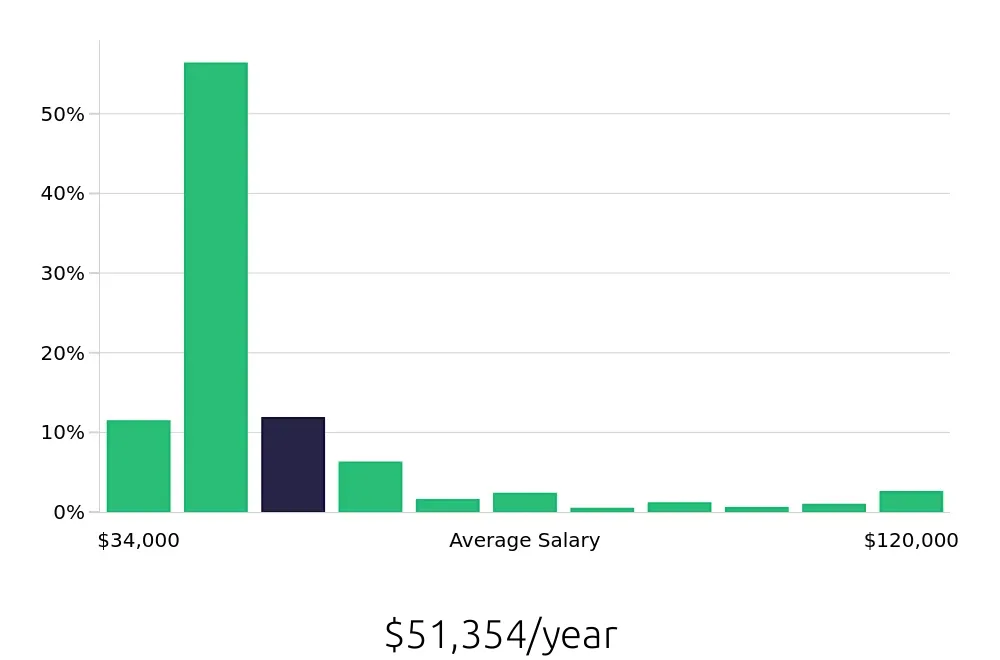
Commercial Insurance Inspectors enjoy a competitive salary as well. The average national annual compensation stands at $75,760, according to the BLS. This figure underscores the financial rewards that come with this profession. The average hourly rate is $36.43, providing a steady income for those who pursue this career.
Overall, the role of a Commercial Insurance Inspector offers both stability and financial benefits. Job seekers can look forward to a field with consistent opportunities and a solid compensation package. This makes it an attractive choice for those entering the insurance industry.
Currently 88 Commercial Insurance Inspector job openings, nationwide.
Continue to Salaries for Commercial Insurance Inspector