What does a Communication Specialist do?
A Communication Specialist plays a key role in ensuring that information flows smoothly within an organization. They create and deliver clear and compelling messages that align with the company's goals. This position requires strong writing and speaking skills, as well as the ability to understand and address the needs of different audiences.
Responsibilities of a Communication Specialist include crafting press releases, internal memos, and marketing content. They also manage social media accounts and organize events. This position often involves coordinating with other departments to ensure consistent messaging. Communication Specialists use various tools and platforms to make sure their communications are effective and reach the right people.
How to become a Communication Specialist?
Becoming a Communication Specialist involves several key steps. This role requires a mix of education, experience, and specialized skills. Following a structured approach can help individuals enter and succeed in this field. First, gaining relevant education is essential. This often means earning a degree in communications, public relations, journalism, or a related field. A solid educational foundation provides the necessary knowledge and skills.
Next, practical experience is vital. Internships or entry-level positions in communication departments offer valuable hands-on learning. These roles allow individuals to apply what they have learned in school and develop new skills. Building a strong portfolio showcases these experiences and demonstrates capabilities to potential employers. Networking with professionals in the field also helps to learn about job opportunities and industry trends. Staying updated with the latest trends and tools in communication ensures one remains competitive in the job market. Finally, continuous learning through workshops, courses, and seminars can enhance skills and open doors to advanced roles.
Consider these five steps to become a Communication Specialist:
- Earn a relevant degree.
- Gain practical experience through internships or entry-level jobs.
- Build a portfolio to showcase skills and experience.
- Network with industry professionals.
- Stay updated with industry trends and continue learning.
How long does it take to become a Communication Specialist?
The journey to becoming a Communication Specialist can vary widely based on individual circumstances and chosen educational paths. Generally, one can pursue a bachelor's degree in communication, journalism, or a related field, which typically takes about four years. Many professionals choose to further enhance their qualifications with a master's degree or specialized certifications, extending the process by one to two years.
Those opting for professional experience rather than formal education can still achieve success in this field. They might start with entry-level positions and gain experience over several years. This practical experience, combined with continuous learning and networking, often leads to advancement in the field. The key is a mix of education and real-world experience to build a solid foundation in communication skills.
Communication Specialist Job Description Sample
The Communication Specialist is responsible for developing and implementing effective communication strategies to enhance the organization's public image and internal communication. This role involves crafting and disseminating messages, managing media relations, and ensuring consistency in all communication channels.
Responsibilities:
- Develop and execute communication strategies to support organizational goals.
- Craft and disseminate press releases, newsletters, and other communication materials.
- Manage media relations and act as the primary point of contact for journalists and media outlets.
- Ensure consistent and accurate messaging across all communication channels.
- Monitor and analyze the effectiveness of communication efforts and suggest improvements.
Qualifications
- Bachelor’s degree in Communications, Public Relations, Journalism, or a related field.
- Proven experience as a Communication Specialist or similar role.
- Excellent written and verbal communication skills.
- Strong media relations experience and the ability to build and maintain media contacts.
- Proficiency in using communication tools and platforms (e.g., social media, email marketing, content management systems).
Is becoming a Communication Specialist a good career path?
Communication specialists work in many fields, from marketing to public relations. They help organizations communicate with their audiences. This role often involves writing, speaking, and managing media. Specialists need strong writing and speaking skills. They should be good at understanding what others need.
Choosing this career path has both good and not-so-good points. Working in communication often means being part of a team. This role also offers opportunities to meet new people and learn about different topics. The job can be creative and rewarding. It may also offer the chance to travel and work with exciting brands.
However, this career is not for everyone. It can be fast-paced and require long hours. Stress levels can be high, especially during busy times. Communication specialists must stay up-to-date with trends. They need to adapt quickly to changes in the industry.
Here are some pros and cons of being a communication specialist:
- Pros:
- Teamwork: Often work with others
- Creativity: Use imagination and ideas
- Learning: Meet new people and learn new things
- Rewarding: Help people understand important messages
- Cons:
- Fast-paced: The job can be busy and stressful
- Long hours: May need to work extra time
- Trends: Must keep up with changes in the industry
- Pressure: High stress during busy periods
What is the job outlook for a Communication Specialist?
The role of a Communication Specialist offers a stable career path with a growing demand for skilled professionals. According to the Bureau of Labor Statistics (BLS), there are about 2,900 job positions available each year. While the job outlook shows a projected decrease of 25.1% from 2022 to 2032, this does not necessarily mean fewer opportunities. It reflects changes in how companies approach communication. Job seekers can still find ample openings in various industries such as marketing, public relations, and corporate communications.
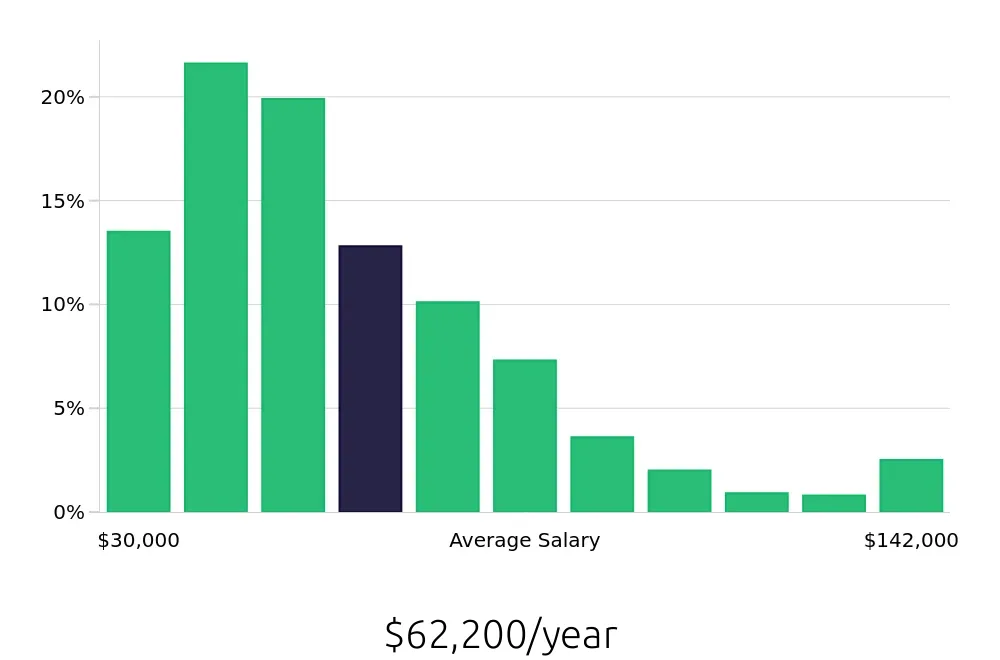
Communication Specialists can expect to earn a competitive salary, with an average national annual compensation of $40,020. This rate translates to about $19.24 per hour. These figures provide a clear picture of what to expect in terms of financial rewards. A career in this field is not only about delivering messages; it’s also about connecting with audiences and making a significant impact. Many positions also offer benefits such as health insurance and retirement plans, enhancing overall job satisfaction.
Aspiring Communication Specialists should focus on developing strong skills in writing, digital media, and interpersonal communication. These skills are highly valued by employers. Building a portfolio of relevant work and gaining experience through internships or entry-level positions can give job seekers a competitive edge. With the right qualifications and experience, individuals can navigate this evolving field and secure rewarding positions.
Currently 129 Communication Specialist job openings, nationwide.
Continue to Salaries for Communication Specialist