What does a Communications Manager do?
The Communications Manager plays a vital role in shaping how a company is perceived by the public. This professional develops and implements communication strategies that ensure the company's message is clear and consistent across all platforms. They work closely with other departments to craft messages that resonate with the target audience. This role involves coordinating press releases, managing social media accounts, and organizing events that boost the company's visibility and reputation.
Responsibilities of the Communications Manager often include creating and distributing newsletters, writing content for the company blog, and maintaining a media contact list. They also monitor public sentiment through social listening tools and adjust strategies as needed. The Communications Manager must stay up-to-date with industry trends and best practices to ensure the company remains competitive and relevant. By fostering positive relationships with the media and the public, this role helps to build a strong and trustworthy brand image.
How to become a Communications Manager?
Becoming a Communications Manager requires a clear path and dedication. Professionals who take these steps can position themselves for success in this rewarding role. Start with education and experience in communications or related fields. Strong educational backgrounds in journalism, public relations, or business often provide the foundation needed.
Gaining experience in communications roles is essential. Working in positions such as a Public Relations Specialist, Marketing Coordinator, or Social Media Manager helps build the necessary skills. Aim to work in roles that involve strategic thinking, writing, and stakeholder engagement. Networking with industry professionals can also open doors to new opportunities. This experience will show potential employers the skills and knowledge gained.
A professional should consider getting certifications or advanced degrees to stand out. Courses in digital marketing, strategic communications, or project management can be valuable. Certifications from recognized organizations show dedication to the field. Applying for Communications Manager roles with a combination of education, experience, and certifications makes a strong impression.
- Education: Earn a degree in communications, journalism, public relations, or business.
- Experience: Work in communications roles to build skills and a portfolio.
- Certifications: Get relevant certifications to enhance qualifications.
- Networking: Connect with industry professionals to learn and share opportunities.
- Apply: Seek Communications Manager roles with a strong resume and cover letter.
How long does it take to become a Communications Manager?
The path to becoming a Communications Manager often includes several steps. Most professionals start with a bachelor’s degree in communications, public relations, or a related field. This degree takes about four years to complete. During this time, students gain foundational knowledge in media relations, marketing, and writing.
After earning a degree, gaining experience in the field becomes crucial. Many begin with entry-level roles such as communication assistant or media relations specialist. These roles typically require one to three years. With experience, professionals can advance to mid-level positions like communications specialist or public relations manager. This can take another two to four years. In total, it often takes around seven to ten years to reach a Communications Manager position. This timeline may vary based on personal career choices and opportunities.
Communications Manager Job Description Sample
We are seeking a dynamic and skilled Communications Manager to lead our communications strategy and enhance our brand presence. The ideal candidate will be responsible for crafting and executing communication plans that align with our organizational goals and resonate with our target audience.
Responsibilities:
- Develop and implement strategic communication plans to support the organization's objectives.
- Craft and disseminate press releases, media advisories, and other communication materials.
- Manage and oversee the organization's social media presence and digital content strategy.
- Serve as the primary point of contact for media inquiries and coordinate interviews and press conferences.
- Monitor and analyze media coverage and public sentiment to adjust communication strategies as needed.
Qualifications
- Bachelor’s degree in Communications, Public Relations, Journalism, or a related field.
- Minimum of 5 years of experience in a communications or public relations role.
- Proven track record of successfully managing communications campaigns and strategies.
- Excellent written and verbal communication skills.
- Strong media relations experience with a portfolio of successful media placements.
Is becoming a Communications Manager a good career path?
A Communications Manager plays a key role in shaping how a company interacts with its audience. This position involves creating and managing campaigns, handling public relations, and ensuring the company’s message is clear and consistent. Often, Communications Managers work with marketing teams and executives to craft strategies that align with the company’s goals.
The job offers a mix of creative and strategic tasks. Daily duties can include writing press releases, managing social media, and coordinating events. This role suits individuals who enjoy both writing and interpersonal communication. However, it also demands the ability to meet deadlines and work well under pressure. Being a Communications Manager can lead to a rewarding career with opportunities for advancement.
Choosing this career path comes with its own set of advantages and challenges.
- Pros:
- Opportunity to work with different teams
- Chance to influence company image
- Potential for creativity in campaigns
- Good salary and benefits
- Cons:
- High-pressure environment
- Need for constant adaptability
- Long hours, especially during campaign launches
- Requirement to handle negative publicity
What is the job outlook for a Communications Manager?
The job outlook for Communications Managers is positive, with an expected 1.9% increase in job openings from 2022 to 2032. On average, about 2,800 new positions open each year, providing ample opportunities for job seekers. This growth reflects the importance of effective communication in today’s business world. Companies need skilled professionals to manage their public image and internal communications.
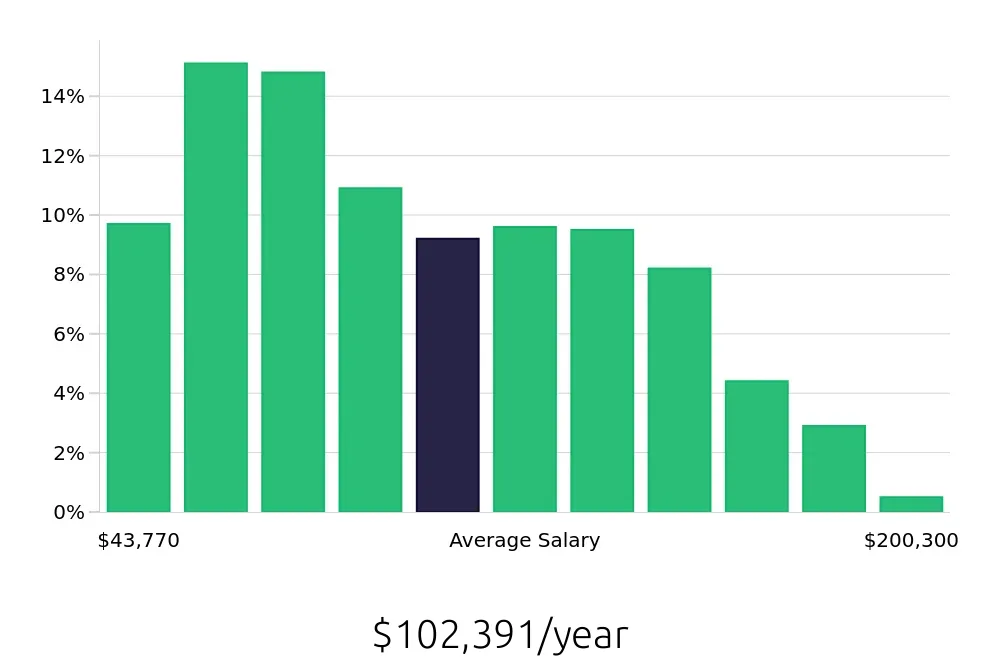
Communications Managers enjoy a strong earning potential. The average annual salary stands at $152,620, with an hourly rate of $73.38. These figures highlight the value that companies place on this role. With experience and expertise, professionals can expect to see salary growth. This role is essential for connecting the company with its audience and stakeholders.
To succeed in this field, job seekers should focus on developing key skills. These include strong writing and speaking abilities, strategic thinking, and a deep understanding of digital media. As businesses evolve, so too will the responsibilities of Communications Managers. Keeping up-to-date with industry trends can help professionals stay ahead in this dynamic field.
Currently 360 Communications Manager job openings, nationwide.
Continue to Salaries for Communications Manager