What does a Community Educator do?
A Community Educator works to connect people with important resources and information. They help community members understand how to use services available to them. This person often runs programs and events to educate the public about various topics. These can include health, safety, or educational opportunities. They also assess the needs of the community and plan activities to address those needs.
Community Educators often collaborate with local organizations and government agencies. They work to create a supportive environment where people can thrive. They may organize workshops, seminars, and other educational activities. Their goal is to empower community members with knowledge and skills. They focus on making information accessible to everyone. This role requires strong communication and organizational skills. It also involves a dedication to helping others improve their lives.
How to become a Community Educator?
Becoming a Community Educator can lead to a rewarding career. It involves teaching and helping people in your community. Follow these steps to start this fulfilling journey.
First, consider earning a degree. Most Community Educators hold at least a bachelor's degree in education, social work, or a related field. This education provides the knowledge needed to teach effectively. You can earn a degree from a college or university. Look for programs that offer courses in teaching methods and community outreach.
Next, gain experience. Work in settings that involve teaching or helping others. Volunteer in community centers or schools. This experience builds skills and shows your commitment. It also helps you understand the community better.
- Earn a relevant degree.
- Gain experience through volunteering or working in related fields.
- Obtain necessary certifications or licenses.
- Network with professionals in the field.
- Apply for Community Educator positions.
Obtaining certifications or licenses can help you stand out. Look for certifications in adult education or community development. Some states require licenses for educators. Check local regulations to see what is needed.
Networking with others in the field can open doors. Attend conferences and join professional organizations. Talking with others can lead to job opportunities and valuable advice. Use social media to connect with Community Educators. Platforms like LinkedIn can be helpful.
Finally, start applying for positions. Look for job openings at schools, community centers, and non-profits. Tailor your resume to highlight your education and experience. Include any certifications you have. Prepare for interviews by practicing common questions.
How long does it take to become a Community Educator?
Interested in becoming a Community Educator? It is a rewarding career. This role requires a mix of education and experience. Most people find they need about two to four years to get started. This timeline can change based on individual circumstances and the path chosen.
To start, a person usually needs a bachelor’s degree. Common fields of study include education, social work, or a related area. Some positions may accept an associate’s degree with relevant experience. After getting a degree, gaining experience is key. Many people work in related jobs to build their skills. This can include roles like teaching assistant, youth mentor, or community outreach worker. Volunteering in the community can also add value. Most employers look for at least one to two years of experience before considering candidates for a Community Educator role.
Community Educator Job Description Sample
The Community Educator is responsible for developing and implementing educational programs and initiatives that promote community engagement, awareness, and development. This role involves working closely with community members, local organizations, and other stakeholders to design and deliver impactful educational experiences.
Responsibilities:
- Develop and implement educational programs and initiatives that meet the needs of the community.
- Collaborate with community members, local organizations, and other stakeholders to identify educational needs and opportunities.
- Design and deliver educational workshops, seminars, and other events to promote community engagement and awareness.
- Provide training and support to community members and local organizations on various educational topics.
- Monitor and evaluate the effectiveness of educational programs and initiatives, and make recommendations for improvement.
Qualifications
- Bachelor's degree in Education, Social Work, Community Development, or a related field.
- Proven experience in community education, outreach, or a related role.
- Strong understanding of community needs and dynamics, and the ability to engage with diverse populations.
- Excellent communication, facilitation, and presentation skills.
- Ability to work independently and as part of a team.
Is becoming a Community Educator a good career path?
Working as a Community Educator offers a chance to engage with diverse groups, promoting learning and growth. This role often involves teaching adults and youth in various settings, from schools to community centers. Community Educators plan and deliver educational programs, workshops, and events tailored to community needs. The job requires strong communication skills, patience, and a passion for helping others. Networking with other educators, community leaders, and organizations can also be a rewarding part of the job.
The career path of a Community Educator has its benefits and challenges. Here are some pros and cons to consider:
- Pros:
- Help others improve their skills and knowledge
- Work in a variety of settings and with diverse groups
- Opportunities for professional development and growth
- Ability to make a positive impact on the community
- Cons:
- May face limited job stability, as positions can be dependent on funding
- Workload can be demanding, especially during program planning and execution
- May require evening and weekend hours for workshops and events
- Potential for low pay, especially in entry-level positions
What is the job outlook for a Community Educator?
Becoming a Community Educator offers a promising career path for many job seekers. According to the Bureau of Labor Statistics (BLS), this field sees an average of 80,500 job positions each year. This number includes roles for those new to the profession and opportunities for advancement. With a 7.9% projected growth from 2022 to 2032, the field looks quite stable and expanding.
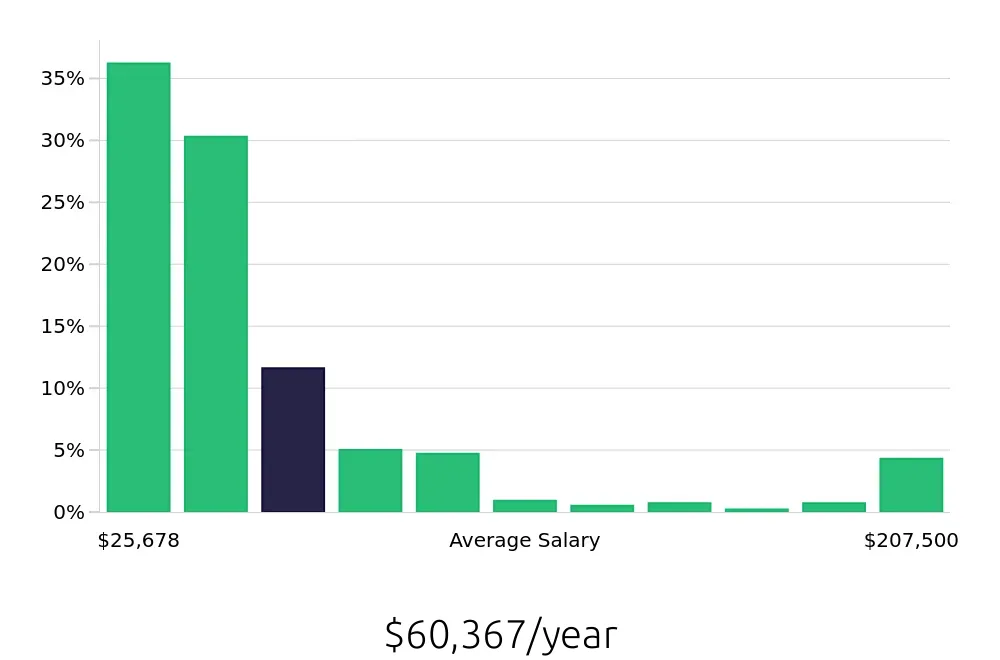
The average annual compensation for a Community Educator stands at $51,210, making it a competitive salary choice. The hourly rate is $24.62, offering a good balance between work and pay. This compensation aligns well with the level of education and responsibility that the role typically requires. Job seekers can expect fair financial rewards for their efforts in this rewarding profession.
Job seekers interested in this role will find plenty of opportunities. The BLS data shows consistent demand for Community Educators across various sectors. With the right skills and dedication, candidates can look forward to a fulfilling career with good job security and potential for growth. This outlook makes it an attractive choice for those passionate about community education.
Currently 112 Community Educator job openings, nationwide.
Continue to Salaries for Community Educator