What does a Compliance Specialist do?
A Compliance Specialist ensures that an organization follows laws and regulations. This person reviews policies and procedures to make sure they meet legal standards. They conduct audits and investigations to identify any areas that may need improvement. A Compliance Specialist works closely with different departments to implement corrective actions. They also provide training to staff about compliance issues.
Daily tasks for a Compliance Specialist include monitoring industry trends and changes in regulations. They prepare reports for management about compliance status. They also assist in developing new policies and updating existing ones. A Compliance Specialist must pay attention to details and have strong analytical skills. This role requires good communication and problem-solving abilities. Being organized and having the ability to work under pressure is important in this position.
How to become a Compliance Specialist?
Becoming a Compliance Specialist involves understanding regulations and ensuring that organizations follow laws and guidelines. This career path requires a mix of education, experience, and specific skills. It is a rewarding field that plays a crucial role in maintaining legal standards across various industries.
The journey to becoming a Compliance Specialist typically follows these steps:
- Education: Start with a bachelor's degree in business, law, or a related field. This education provides a solid foundation in the principles of compliance.
- Gain Experience: Look for internships or entry-level positions in compliance, finance, or legal departments. This experience helps understand how regulations work in practice.
- Certification: Consider obtaining certifications such as Certified Compliance & Ethics Professional (CCEP) or Certified Regulatory Compliance Manager (CRCM). These credentials enhance credibility and knowledge.
- Networking: Join professional organizations and attend industry conferences. Networking can open doors to job opportunities and provide insights into the field.
- Continuous Learning: Stay updated on changes in laws and regulations. Compliance is a dynamic field, and ongoing education is essential.
Following these steps can help build a successful career as a Compliance Specialist. With dedication and the right approach, one can make a significant impact in ensuring organizations adhere to legal standards.
How long does it take to become a Compliance Specialist?
A Compliance Specialist works to ensure that an organization follows laws and regulations. This role involves reviewing policies, conducting audits, and training staff. Many find this career rewarding and stable.
The time it takes to become a Compliance Specialist can vary. Most start with a bachelor’s degree in business, law, or a related field. This degree usually takes four years. Some enter the field with an associate degree and work their way up. This path might take two years. Gaining experience through internships or entry-level jobs can be very helpful. After gaining experience, a professional may earn a certification. Certifications can take a few months to a year to complete. This can improve job prospects and earning potential.
In summary, the journey to becoming a Compliance Specialist can range from two to six years. It includes education, experience, and possibly certifications. This path opens doors to a stable and important career in ensuring legal compliance.
Compliance Specialist Job Description Sample
We are seeking a Compliance Specialist to ensure that our organization adheres to all relevant laws, regulations, and internal policies. This role is crucial for maintaining the integrity and legal standing of our company.
Responsibilities:
- Develop, implement, and manage compliance programs and procedures to ensure adherence to all applicable laws, regulations, and internal policies.
- Conduct regular audits and assessments to identify potential compliance risks and issues.
- Prepare and deliver training sessions to staff on compliance policies and procedures.
- Investigate and resolve compliance-related inquiries and issues.
- Maintain and update compliance records and documentation.
Qualifications
- Bachelor's degree in Law, Business, or a related field.
- Certification in Compliance (e.g., Certified Compliance & Ethics Professional - CCEP) is highly desirable.
- Proven experience as a Compliance Specialist or in a similar role.
- Strong understanding of relevant laws, regulations, and industry standards.
- Excellent analytical and problem-solving skills.
Is becoming a Compliance Specialist a good career path?
A Compliance Specialist plays a key role in ensuring that organizations follow laws and regulations. They work in various industries, including healthcare, finance, and technology. This role involves monitoring policies, conducting audits, and reporting any violations. Being a Compliance Specialist requires attention to detail and strong analytical skills. It is a career path that offers stability and growth opportunities.
For those considering this career, it is important to understand both the benefits and challenges. Working as a Compliance Specialist offers a chance to make a significant impact on an organization's operations. It often comes with a stable job market and the opportunity to work in diverse environments. However, it also requires staying up-to-date with changing laws and regulations, which can be demanding. This role may involve working long hours, especially during audits or when dealing with compliance issues.
Below are some pros and cons to consider:
- Pros:
- Job stability in a critical field
- Opportunities for career advancement
- Variety of industries to work in
- Potential for competitive salaries
- Cons:
- Requirement to stay updated with laws
- Potential for long working hours
- Stressful situations during audits
- Need for strong attention to detail
What is the job outlook for a Compliance Specialist?
The job outlook for Compliance Specialists looks promising. The Bureau of Labor Statistics (BLS) reports an average of 6,300 job positions available per year. This number shows steady demand for skilled professionals in this field. The BLS also projects a 19.5% increase in job openings from 2022 to 2032. This growth suggests more opportunities for those entering this career path.
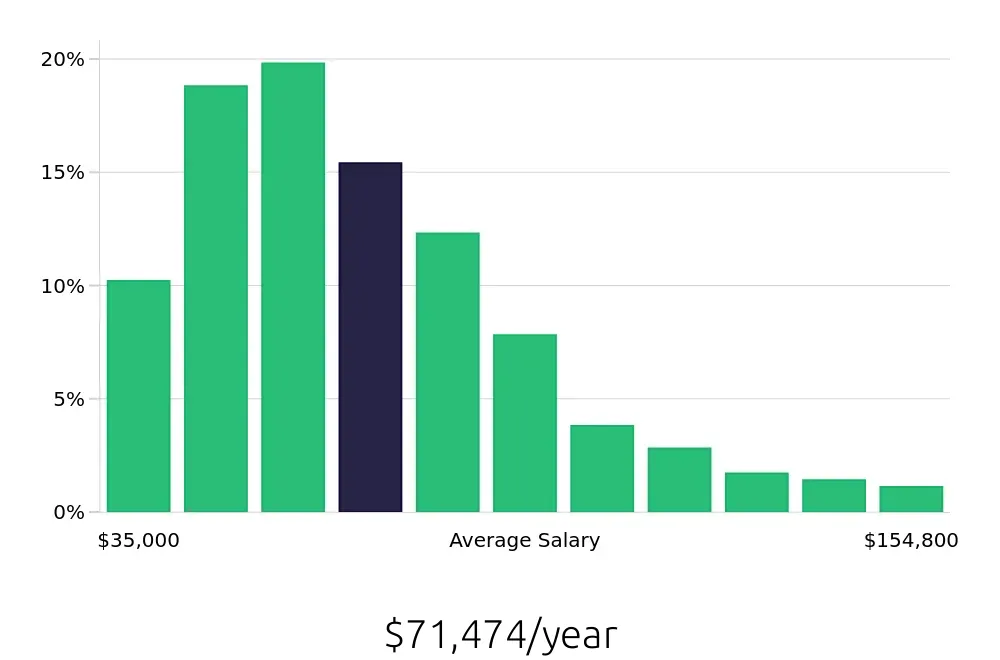
A career as a Compliance Specialist also offers a competitive salary. The average national annual compensation for this role stands at $98,140. This figure highlights the value placed on compliance expertise in various industries. Additionally, the average hourly compensation is $47.18, reflecting the specialized skills required in this profession. These financial benefits make it an attractive career choice for many job seekers.
Compliance Specialists play a crucial role in ensuring companies adhere to laws and regulations. Their responsibilities include monitoring company practices and implementing policies to prevent legal issues. With the increasing importance of compliance in today's business environment, these specialists are in high demand. Job seekers looking for stability and good remuneration will find this career rewarding.
Currently 694 Compliance Specialist job openings, nationwide.
Continue to Salaries for Compliance Specialist