What does a Computer Numerical Control Programmer do?
A Computer Numerical Control (CNC) Programmer creates and manages the instructions that control CNC machines. These machines cut, shape, and form materials like metal and plastic. CNC Programmers use special software to write codes. They then translate these codes into machine instructions. The CNC machine reads these instructions and performs tasks with high accuracy.
The CNC Programmer works closely with design engineers and manufacturing teams. They ensure that the CNC machine performs as expected. They also troubleshoot and resolve any issues that arise. This position requires attention to detail and problem-solving skills. CNC Programmers must understand both the software and the machine's capabilities. They need to be able to adjust and optimize the machine's performance. This role is crucial in modern manufacturing, helping to produce high-quality products efficiently.
How to become a Computer Numerical Control Programmer?
Becoming a Computer Numerical Control (CNC) Programmer involves a structured process to master the necessary skills and knowledge. This career path is rewarding for those keen on working with advanced machinery and software. Individuals can follow a clear route to enter this specialized field by understanding the required steps.
First, gaining a solid foundation in manufacturing and engineering is crucial. This involves earning a high school diploma or equivalent and taking related courses in math, physics, and technology. Next, obtaining a degree or certification in CNC programming from a technical school or community college can provide the specific training needed. Hands-on experience through internships or apprenticeships allows new programmers to apply their knowledge in real-world settings. Continuous learning and staying updated with the latest software and technology trends are essential for long-term success in this role. Networking with professionals and joining industry groups can also open doors to job opportunities and career advancement.
Below are five steps to help guide individuals through the process:
- Obtain a high school diploma or equivalent and take relevant courses.
- Earn a degree or certification in CNC programming.
- Gain hands-on experience through internships or apprenticeships.
- Continuously learn and stay updated with industry trends.
- Network with professionals and join industry groups.
How long does it take to become a Computer Numerical Control Programmer?
Computer Numerical Control (CNC) programming plays a key role in modern manufacturing. This specialty allows machines to operate with precision and efficiency. Most CNC programmers start with a solid education base. This often includes a degree or a diploma in a related field. Many technical schools offer programs that last about two years. These programs teach the skills needed to start a career as a CNC programmer.
After completing formal education, gaining hands-on experience is crucial. Many professionals spend a year or two in entry-level positions. They learn more about machine operations and software used in CNC programming. Some may also get additional training in specific types of machinery or software. This can make them more valuable to employers. Over time, gaining experience can lead to more advanced positions. Many programmers find their careers growing as they develop more skills and expertise.
Computer Numerical Control Programmer Job Description Sample
We are seeking a skilled Computer Numerical Control (CNC) Programmer to join our team. The CNC Programmer will be responsible for developing, programming, and optimizing CNC machines to ensure efficient production of high-quality components.
Responsibilities:
- Develop and optimize CNC programs using CAD/CAM software to ensure the highest level of efficiency and accuracy.
- Translate engineering drawings and specifications into detailed CNC programs.
- Set up, operate, and maintain CNC machines to ensure optimal performance.
- Collaborate with engineering and production teams to understand requirements and troubleshoot any issues.
- Maintain detailed records of all programs, modifications, and machine settings.
Qualifications
- Associate or Bachelor’s degree in Mechanical Engineering, Manufacturing Engineering, or a related field.
- Proven experience as a CNC Programmer or similar role.
- Proficiency in CAD/CAM software (e.g., Mastercam, AutoCAD, SolidWorks).
- Strong understanding of CNC machining principles and practices.
- Excellent problem-solving and analytical skills.
Is becoming a Computer Numerical Control Programmer a good career path?
A Computer Numerical Control Programmer crafts detailed instructions for machines used in manufacturing. They work with computer-aided design software to create precise codes. These codes tell the machines how to shape materials like metal and plastic into finished products. This career path offers a mix of technical skills and problem-solving. It requires a solid understanding of both programming and machinery operations.
Being a CNC Programmer comes with its own set of benefits and challenges. Let’s look at some pros and cons to consider. Being in demand in various industries, such as automotive, aerospace, and construction, makes this a stable career choice. CNC Programmers often have opportunities for advancement and higher salaries.
- Pros:
- Opportunity to work in different industries
- Potential for higher salaries
- Good job stability
- Advancement opportunities
- Cons:
- Requires technical skills and continuous learning
- May involve long hours on computers
- Physical demands from working with machinery
- Stress from meeting tight deadlines
What is the job outlook for a Computer Numerical Control Programmer?
The job outlook for Computer Numerical Control (CNC) Programmers remains stable despite slight changes in the job openings percentage. According to the Bureau of Labor Statistics (BLS), there are about 17,500 positions available annually. Although the job openings are expected to decrease by 4.8% from 2022 to 2032, this outlook presents an opportunity for skilled professionals. With the right skills and certifications, job seekers can find consistent employment in this field.
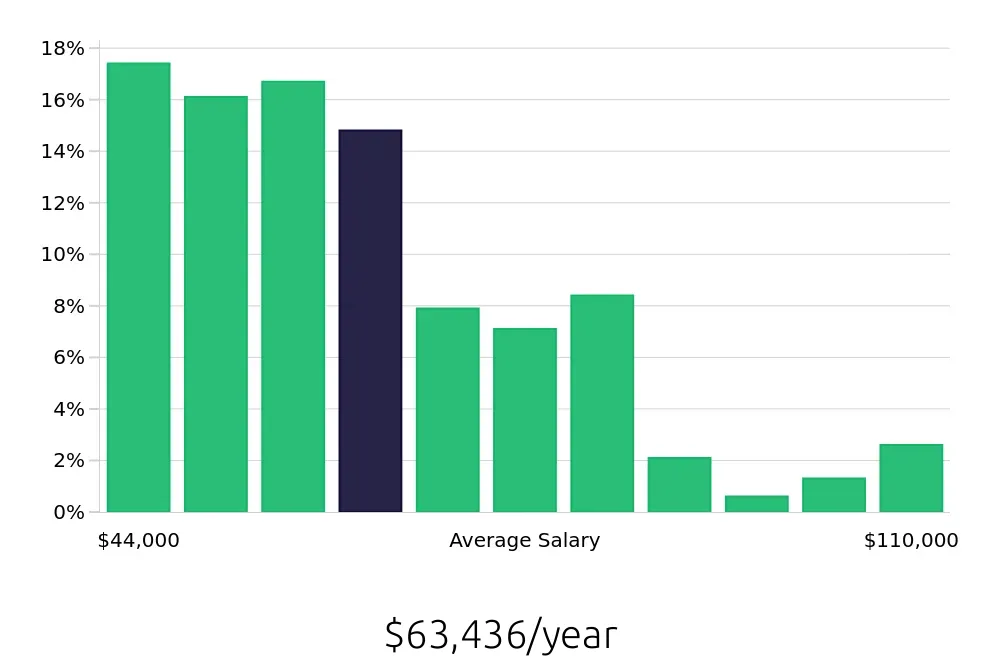
CNC Programmers earn a strong salary, with an average national annual compensation of $53,200 and an hourly rate of $25.58. These figures show that CNC programming is a well-compensated career. The demand for skilled CNC programmers means that employers are often willing to offer competitive salaries to attract qualified candidates. The combination of stable job outlook and good compensation makes this career path attractive for job seekers.
Aspiring CNC Programmers should focus on developing strong technical skills and obtaining relevant certifications. The demand for CNC programming skills in various industries ensures that skilled professionals have many job opportunities. With the right training and experience, job seekers can secure a stable and rewarding career in CNC programming. For more information on job openings and salary details, visit the BLS website.
Currently 51 Computer Numerical Control Programmer job openings, nationwide.
Continue to Salaries for Computer Numerical Control Programmer