What does a Construction Estimator do?
A Construction Estimator analyzes project plans and specifications to calculate costs. They work with project managers and architects to understand all project needs. Estimators prepare detailed cost estimates that include materials, labor, and equipment. They use these estimates to bid on projects. Accuracy in estimates helps in winning bids and managing project budgets.
Construction Estimators review past project data to improve future estimates. They consider market conditions and supplier costs when preparing estimates. Estimators often meet with clients to explain estimates and answer questions. They must communicate clearly and professionally. Keeping detailed records of estimates and costs helps Estimators improve their future work. Good estimators can help projects stay on budget and on time.
How to become a Construction Estimator?
Becoming a Construction Estimator involves a clear and structured process that requires both education and experience. This role is vital in the construction industry as it helps determine the cost of a project. Employers value estimators who can provide accurate and reliable cost estimates. Follow these steps to start a successful career as a Construction Estimator.
First, gaining a high school diploma or GED is essential. This forms the foundation for further education and training. Second, obtaining relevant education is crucial. Many estimators hold an associate degree in construction management or a related field. Some even pursue a bachelor’s degree for a competitive edge. Third, hands-on experience is invaluable. Working in the construction industry under a seasoned estimator provides practical skills and insights. Fourth, developing strong analytical skills is important. Estimators must analyze project plans and materials to provide accurate cost estimates. Lastly, obtaining certifications can boost credibility and job prospects. Certifications from organizations like the National Association of Construction Estimators (NACE) are highly regarded.
Here are the key steps to becoming a Construction Estimator:
- Complete high school education or GED.
- Earn an associate or bachelor’s degree in construction management.
- Gain experience through internships or entry-level positions.
- Develop analytical skills to interpret project plans and materials.
- Obtain certifications from professional organizations.
How long does it take to become a Construction Estimator?
The journey to becoming a Construction Estimator varies. Most estimators start with a high school diploma or GED. Some choose to go further and earn a two-year associate degree in construction management or a related field. This education often takes two to four years. Those who attend full-time will finish sooner.
Work experience is crucial. Many estimators gain experience by working as laborers or in other construction roles. This hands-on experience teaches them about materials, labor, and project timelines. Some employers offer on-the-job training. This training can last from several months to a couple of years. Gaining Certified Construction Estimator (CCE) certification from the Construction Estimators Association can also boost career opportunities. This certification requires passing an exam, which takes preparation time.
Construction Estimator Job Description Sample
The Construction Estimator is responsible for evaluating and estimating the costs, resources, and timelines required for construction projects. This role involves working closely with project managers, architects, and other stakeholders to develop accurate project estimates and budgets.
Responsibilities:
- Analyze project specifications, blueprints, and contracts to determine project scope and cost.
- Prepare detailed cost estimates, including labor, materials, equipment, and subcontractors.
- Review and negotiate contracts and bids to ensure project profitability.
- Collaborate with project managers and other stakeholders to provide accurate project timelines and cost projections.
- Conduct regular cost analysis and provide updates on project budgets.
Qualifications
- Bachelor’s degree in Construction Management, Engineering, or related field.
- Minimum of 3-5 years of experience in construction cost estimation.
- Proficiency in cost estimation software and tools (e.g., ProEst, Bluebeam, Sage 300 CRE).
- Strong knowledge of construction methods, materials, and industry standards.
- Excellent analytical and problem-solving skills.
Is becoming a Construction Estimator a good career path?
A career as a Construction Estimator offers a blend of numbers, planning, and on-site work. This role involves predicting the costs, materials, and labor needed for a construction project. Estimators use their expertise to provide accurate budgets and timelines. They work with architects, engineers, and contractors to ensure projects stay within financial limits. This role is crucial for the successful planning and execution of construction projects.
Becoming a Construction Estimator has several advantages. First, it offers a stable job market with consistent demand. Construction projects need estimators to manage budgets and resources effectively. The role provides opportunities to work on various types of projects, from residential homes to large commercial buildings. Estimators also have the chance to advance into higher roles like project managers or business development managers. However, it is not without challenges. Estimators often face tight deadlines and the pressure to provide accurate estimates. The job can be stressful, especially when budgets are tight or unexpected issues arise.
Considering the pros and cons can help in making an informed decision. Here are some factors to consider:
- Pros:
- Stable job market with consistent demand.
- Opportunities to work on diverse construction projects.
- Potential for career advancement into higher roles.
- Cons:
- Tight deadlines and high pressure to provide accurate estimates.
- Potential for high stress levels, especially during critical phases of a project.
- Need for continuous learning and staying updated with industry changes.
What is the job outlook for a Construction Estimator?
The role of a Construction Estimator offers a promising career path for job seekers. According to the Bureau of Labor Statistics (BLS), this profession sees an average of 18,000 job positions opening each year. Despite a projected decrease of 2.8% in job openings from 2022 to 2032, the demand for skilled estimators remains steady. This consistency highlights the stability and long-term viability of this career.
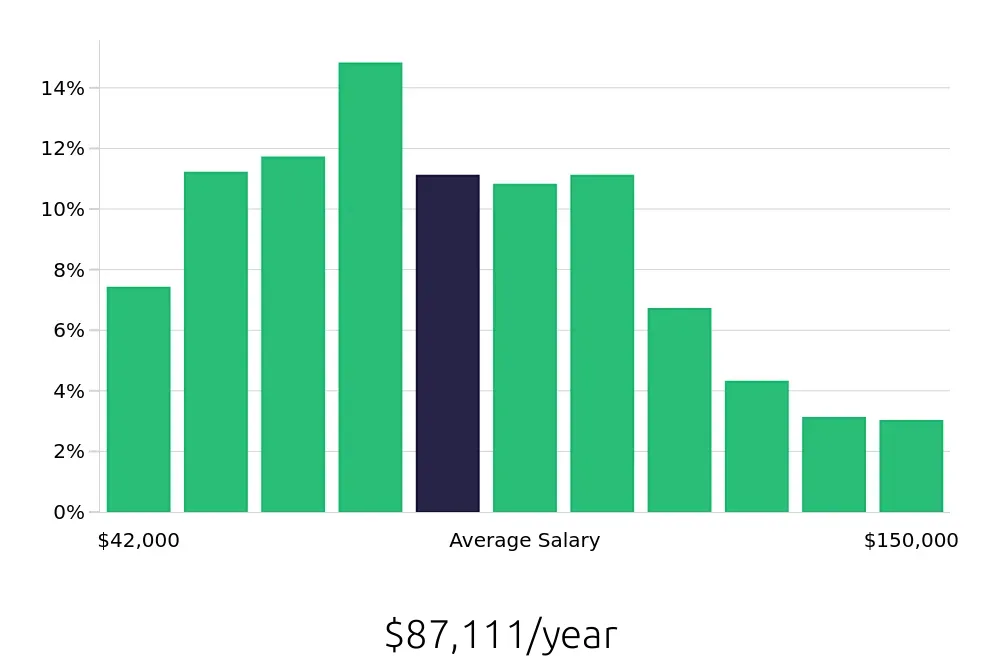
For those considering this career, the financial outlook is encouraging. The BLS reports an average national annual salary of $79,520 for Construction Estimators. This figure underscores the potential for a lucrative income, making this field attractive to many job seekers. In addition, the hourly wage stands at $38.23, reflecting the value placed on the expertise and skills of professionals in this role.
Job seekers should note that while the number of job openings may slightly decline, the average compensation figures show a rewarding career ahead. The stability in earnings and the consistent demand for skilled estimators provide a strong foundation for career growth and financial security.
Currently 412 Construction Estimator job openings, nationwide.
Continue to Salaries for Construction Estimator