What does a Construction Inspector do?
A Construction Inspector plays a vital role in ensuring that construction projects meet all safety and building codes. They review plans and specifications to verify compliance with local laws and regulations. Inspectors visit construction sites to observe work in progress, checking materials and construction techniques. They ensure everything is done correctly and safely. Inspectors issue permits for construction to begin and continue, and they can halt projects if issues arise. This role helps protect the safety of workers and the public.
To excel in this position, a Construction Inspector must have keen attention to detail and strong analytical skills. They need to understand building codes and regulations thoroughly. Good communication skills are essential to report findings and give directions clearly. Inspectors often work in various weather conditions and must be able to travel to different job sites. This job requires patience and the ability to make decisions quickly when needed. It is a critical role in maintaining high standards in the construction industry.
How to become a Construction Inspector?
A career as a Construction Inspector requires specific skills and certifications. This role ensures that buildings meet safety standards and regulations. Here is a clear path to becoming a Construction Inspector.
First, a high school diploma or equivalent is necessary. Next, gaining experience in construction or a related field can be very helpful. This experience builds a foundation of practical knowledge. Completing a vocational or technical training program can provide focused education. Certification programs, such as those offered by the American Society of Safety Professionals (ASSP), are essential. These programs teach necessary skills and prepare for exams. Passing the certification exam is the final step in becoming a Construction Inspector.
Follow these steps to start your career as a Construction Inspector:
- Obtain a high school diploma or GED.
- Gain experience in construction or a related field.
- Enroll in a vocational or technical training program.
- Complete a certification program, such as one offered by ASSP.
- Pass the required certification exam.
How long does it take to become a Construction Inspector?
Many people are curious about the time it takes to join the workforce as a Construction Inspector. The journey to this role usually involves several steps. First, a high school diploma or equivalent is needed. Some employers may also require a certain amount of experience or additional training.
The path can vary based on education and experience. A high school diploma leads to most entry-level jobs, with on-the-job training. Some inspectors may choose to take a course or even a degree in construction management, which can speed up the process and open more job opportunities. These courses can take from a few months to two years. With the right training and experience, someone can start working as a Construction Inspector in as little as a year. For those with more advanced degrees, the journey may take longer, but it can lead to more career opportunities.
Construction Inspector Job Description Sample
We are seeking a meticulous Construction Inspector to ensure that construction projects adhere to industry standards, building codes, and client specifications. The ideal candidate will be responsible for conducting inspections, identifying potential issues, and ensuring compliance with safety regulations.
Responsibilities:
- Conduct routine and scheduled inspections of construction sites to ensure compliance with local codes and regulations.
- Prepare detailed inspection reports and documentation, including photographs and written descriptions of findings.
- Review blueprints, plans, and specifications to verify construction alignment with project requirements.
- Collaborate with contractors, architects, and engineers to address any deviations or issues identified during inspections.
- Ensure that all construction activities adhere to safety protocols and environmental regulations.
Qualifications
- High school diploma or equivalent; additional education in construction management or a related field is preferred.
- Certification as a Construction Inspector or equivalent credentials is highly desirable.
- Proven experience in a construction inspection role with a strong understanding of building codes and regulations.
- Excellent attention to detail and strong analytical skills.
- Strong communication and interpersonal skills with the ability to work collaboratively with diverse teams.
Is becoming a Construction Inspector a good career path?
A Construction Inspector plays a vital role in ensuring that building projects meet safety and quality standards. This role involves checking plans and construction to ensure compliance with regulations and codes. Inspectors work with engineers, architects, and construction workers to ensure that buildings are safe and up to code. They need to be knowledgeable about building codes and safety regulations.
Pursuing a career as a Construction Inspector has its benefits and challenges. On the positive side, this job provides the opportunity to work outdoors and interact with a variety of professionals. Inspectors gain valuable experience in the construction industry, making it easier to advance in their careers. However, the job can be physically demanding, requiring inspectors to be on their feet for long periods. They also need to be comfortable with dealing with various weather conditions. Balancing the responsibility of ensuring safety with the need for efficiency can be challenging.
Below are some pros and cons to consider when thinking about a career as a Construction Inspector:
- Pros:
- Opportunities for growth in the construction industry
- Outdoor work environment
- Vital role in ensuring public safety
- Cons:
- Physical demands of the job
- Exposure to various weather conditions
- Potential for long working hours
What is the job outlook for a Construction Inspector?
The job outlook for Construction Inspectors shows a steady demand within the industry. According to the Bureau of Labor Statistics (BLS), about 15,700 job positions open each year on average. This trend indicates a consistent need for professionals who can ensure that construction projects meet safety and building code standards. With such a regular flow of job openings, it offers a stable career path for those in the field.
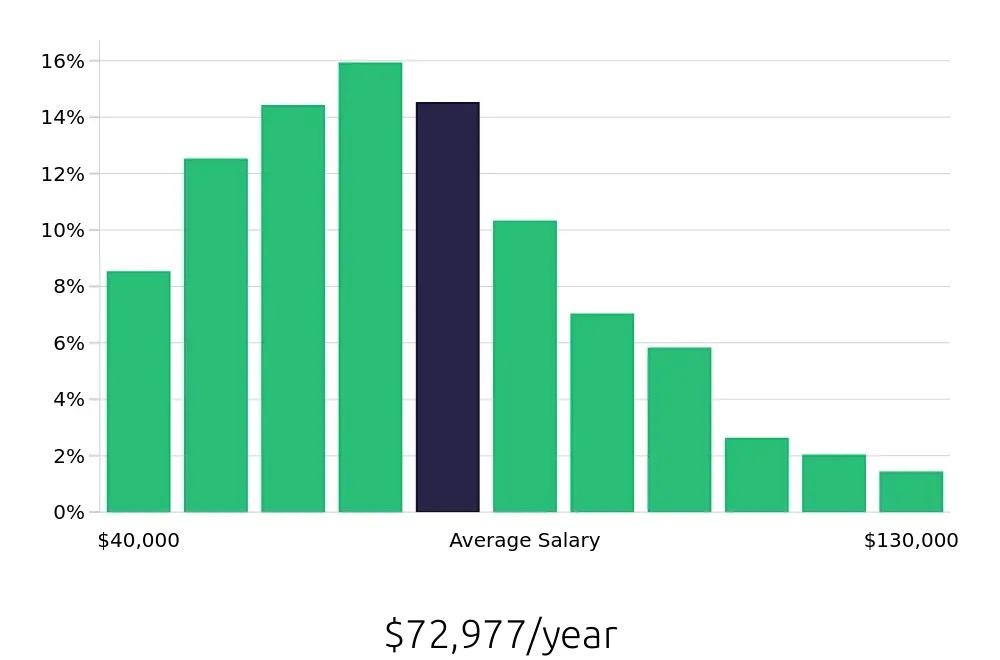
Job seekers can also look forward to competitive compensation. The BLS reports an average national annual salary of $72,880 for Construction Inspectors. This reflects the value placed on their expertise and the responsibilities they handle in ensuring construction safety and compliance. Along with this, the hourly compensation stands at $35.04, providing another perspective on the earning potential in this career.
Despite a projected percent change in job openings of -1.5% from 2022 to 2032, this occupation remains promising. Fluctuations in the job market are common, but the consistent demand and good compensation make this a viable career choice. Aspiring Construction Inspectors can expect a rewarding career with opportunities to grow and make a significant impact in the construction industry.
Currently 491 Construction Inspector job openings, nationwide.
Continue to Salaries for Construction Inspector