What does a Consulting Engineer do?
A Consulting Engineer works with businesses and organizations to improve their technical systems. This involves evaluating current setups and making suggestions for improvements. They might look at how a company’s computer systems work, how they handle data, or how they can boost efficiency. The engineer often meets with different teams to understand their needs and challenges. They then create plans and designs that can meet these needs. They also help to implement these plans, ensuring everything runs smoothly.
The role of a Consulting Engineer is crucial in ensuring that technical solutions align with business goals. This professional often works on projects that need careful planning and execution. They might deal with everything from IT infrastructure to safety systems. They must understand both the technical aspects and the business side of things. This allows them to propose solutions that are both effective and practical. Consulting Engineers often work with a variety of stakeholders, including management, IT staff, and sometimes even clients. They must communicate clearly to ensure everyone understands the proposed changes and their benefits.
How to become a Consulting Engineer?
Becoming a Consulting Engineer involves a series of steps that lead to a fulfilling career in engineering. Consulting Engineers provide expert advice to businesses, governments, and organizations. They play a key role in improving efficiency and performance in various sectors.
Interested individuals can follow these steps to start their journey:
- Earn a bachelor's degree in engineering. This is the first step to enter the field. Choose a specialization that matches your interests, such as civil, mechanical, or electrical engineering.
- Gain practical experience. Work on engineering projects during your studies. Internships and entry-level jobs provide valuable hands-on experience.
- Obtain a professional engineer (PE) license. This license is often required to practice as a Consulting Engineer. It involves passing a rigorous exam and meeting education and experience requirements.
- Build a strong professional network. Connect with industry professionals through networking events, conferences, and online platforms. Building relationships can open doors to job opportunities.
- Start your own consulting business or work for a consulting firm. Many Consulting Engineers choose to offer their services independently. Alternatively, joining an established firm can provide a stable income and resources.
How long does it take to become a Consulting Engineer?
Becoming a Consulting Engineer requires time and dedication. Most people find this career path rewarding, but it takes effort. The journey usually starts with a bachelor's degree in engineering, which takes about four years. After graduation, gaining experience is key.
Many engineers work in entry-level positions for a few years. This experience helps them understand the field better. Some employers offer training programs. After gaining some experience, engineers may take exams to become licensed. This process can take several years. Networking and building a portfolio also play important roles in advancing the career.
Consulting Engineer Job Description Sample
We are seeking a highly skilled and experienced Consulting Engineer to join our team. The Consulting Engineer will be responsible for providing expert advice and solutions to clients on a variety of engineering projects. The ideal candidate will have a strong background in engineering principles and practices, as well as excellent problem-solving and communication skills.
Responsibilities:
- Provide expert engineering advice and solutions to clients on a variety of projects.
- Conduct site visits and assessments to gather data and information.
- Develop and implement engineering plans and specifications.
- Prepare engineering reports, drawings, and other technical documents.
- Collaborate with clients, contractors, and other stakeholders to ensure project success.
Qualifications
- Bachelor's degree in Engineering or a related field.
- Professional Engineer (PE) license or ability to obtain one.
- Minimum of 5 years of experience in a consulting engineering role.
- Strong knowledge of engineering principles and practices.
- Excellent problem-solving and analytical skills.
Is becoming a Consulting Engineer a good career path?
A career as a Consulting Engineer offers a unique blend of challenges and opportunities. This role involves providing expert advice to organizations on engineering matters. Consulting Engineers often work on projects that require advanced technical skills and problem-solving abilities. They can specialize in various areas like structural, civil, or mechanical engineering. This position allows engineers to leverage their expertise to solve complex issues for clients.
Choosing this career path comes with its own set of advantages and disadvantages. Consulting Engineers enjoy flexibility in their work arrangements. They can choose to work on-site, remotely, or a mix of both. They often work on diverse projects, which keeps the job interesting and varied. The pay can be high, especially for those with specialized skills. However, the job can be demanding with long hours and high pressure to meet deadlines. It may also require frequent travel, which can be a downside for those who prefer a stable routine.
Considering this role, it’s important to weigh the pros and cons. Here’s a quick list to help:
- Pros:
- Flexible work arrangements
- Variety of projects
- Potential for high pay
- Opportunities for professional growth
- Cons:
- Long and demanding work hours
- High pressure to meet deadlines
- Frequent travel required
- Variable income depending on project availability
What is the job outlook for a Consulting Engineer?
Consulting engineers play a critical role in many industries, making their job outlook quite promising. The U.S. Bureau of Labor Statistics (BLS) reports that around 24,100 new positions become available each year. This steady demand highlights the importance of skilled consulting engineers. The profession is expected to grow by 11.2% from 2022 to 2032, offering ample opportunities for growth.
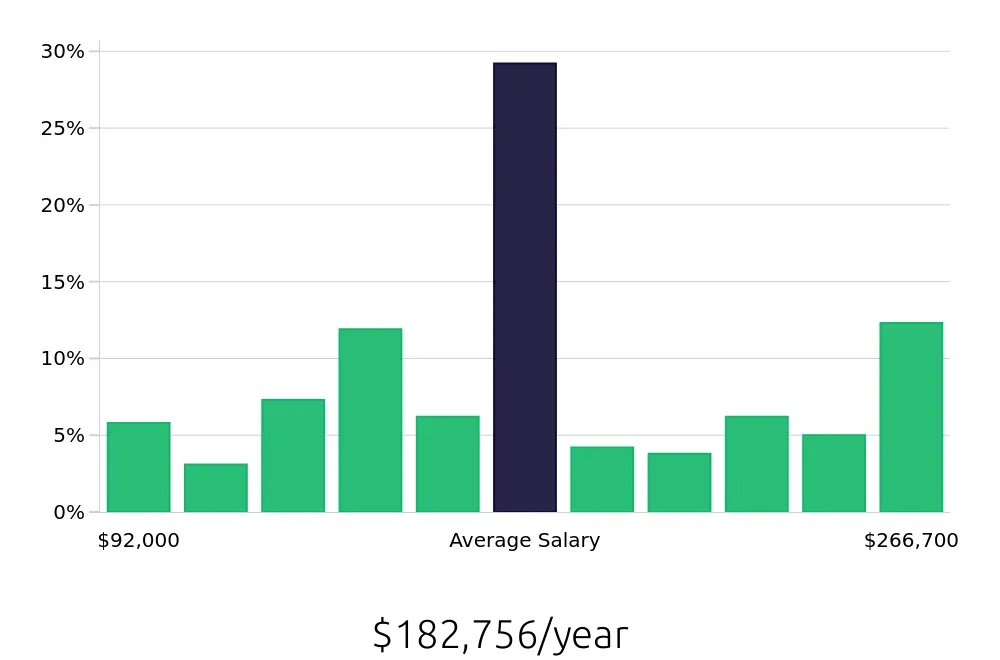
This career path not only promises job security but also attractive compensation. According to the BLS, the average annual salary for consulting engineers stands at $103,510. This figure reflects the value and expertise these professionals bring to their employers. With experience, many consulting engineers can expect to earn even more, making this a lucrative career choice.
In addition to solid earnings, consulting engineers benefit from competitive hourly rates. BLS data shows the average hourly wage for this profession is $49.76. This high pay reflects the technical skills and problem-solving abilities that consulting engineers bring to their roles. For job seekers, these figures represent a strong incentive to pursue this rewarding career path.
Currently 46 Consulting Engineer job openings, nationwide.
Continue to Salaries for Consulting Engineer