What does a Consulting Utility Forester do?
A Consulting Utility Forester plays a crucial role in the energy sector. They work with utility companies to manage and protect forest resources. This involves assessing and planning how to use forest land for energy projects. Foresters ensure that trees are harvested responsibly. They also monitor the health of forests to prevent damage. This helps in maintaining a sustainable balance between energy needs and environmental protection.
Responsibilities of a Consulting Utility Forester include conducting site assessments, preparing management plans, and working with stakeholders. They analyze the impact of energy projects on forests. Foresters recommend best practices to minimize negative effects. They also educate utility teams on sustainable forestry methods. This role requires strong analytical skills and a deep understanding of both forestry and utility operations. Consulting Utility Foresters contribute to responsible and sustainable energy production.
How to become a Consulting Utility Forester?
Becoming a Consulting Utility Forester requires dedication and the right steps. This career involves working with utility companies to manage forest resources. This profession combines forestry and utility work. It offers a unique blend of environmental care and technical expertise.
Here are the steps to becoming a Consulting Utility Forester:
- Get a forestry degree. Start with a bachelor's degree in forestry or a related field. Look for accredited programs that offer hands-on experience.
- Gain practical experience. Work in forestry or utility projects. Internships or entry-level jobs can be very helpful. Experience in both fields gives a strong background.
- Get certified. Consider certifications like the Utility Forester Certification Program. These credentials show expertise and commitment.
- Network. Connect with professionals in the field. Join forestry and utility associations. Attend workshops and conferences to meet potential employers.
- Apply for jobs. Look for positions with utility companies or forestry consulting firms. Tailor your resume to highlight relevant skills and experience.
How long does it take to become a Consulting Utility Forester?
Interest in a career as a Consulting Utility Forester can lead to a rewarding path in environmental management. This role involves providing expert advice to utility companies on forest management practices. Aspiring professionals often wonder about the time needed to reach this level of expertise.
On average, becoming a Consulting Utility Forester requires a mix of education, fieldwork, and professional experience. Most experts hold at least a bachelor’s degree in forestry or a related field, which typically takes four years. Additional years may be needed to gain practical experience, often through internships or entry-level jobs. Many professionals gain certification from recognized bodies, which can take one to two years. The journey may vary, but dedication and continuous learning set the stage for a successful career.
Here are key steps to prepare for this role:
- Complete a bachelor’s degree in forestry or a related field
- Gain practical experience through internships or entry-level positions
- Pursue certification from recognized professional organizations
- Build a professional network within the industry
Consulting Utility Forester Job Description Sample
As a Consulting Utility Forester, you will provide expert forestry and environmental consulting services to utility companies, ensuring the safe and efficient management of power line corridors and vegetation around transmission lines. You will work closely with utility clients to develop and implement vegetation management plans, assess and mitigate risks, and comply with regulatory requirements.
Responsibilities:
- Conduct on-site assessments of utility power line corridors to identify vegetation management needs and potential risks.
- Develop and implement vegetation management plans tailored to the specific needs of utility clients.
- Provide expert advice on the selection and implementation of vegetation management techniques, including mechanical cutting, herbicide application, and prescribed burning.
- Collaborate with utility clients to ensure compliance with regulatory requirements and industry best practices.
- Prepare detailed reports and documentation of assessments, plans, and project progress.
Qualifications
- Bachelor's degree in Forestry, Environmental Science, Natural Resource Management, or a related field. A Master's degree is preferred.
- Several years of experience in utility forestry, vegetation management, or a related field.
- Strong knowledge of forestry practices, vegetation management techniques, and regulatory requirements.
- Ability to conduct thorough field assessments and develop effective vegetation management plans.
- Excellent communication and interpersonal skills, with the ability to work effectively with utility clients, field crews, and other stakeholders.
Is becoming a Consulting Utility Forester a good career path?
A Consulting Utility Forester works with utility companies to manage and protect forested areas. This role involves assessing tree health, advising on forest management practices, and ensuring the safety of power lines. Those in this field often travel, visiting various sites to monitor tree growth and potential hazards. The work requires a strong understanding of forestry and utility operations, making it ideal for those passionate about both nature and technology.
Being a Consulting Utility Forester offers a mix of benefits and challenges. This role provides opportunities to work outdoors and be part of important safety operations. It also offers a chance to work with a variety of clients and see different parts of the country. However, the job can be physically demanding and may require working in all weather conditions. Travel can also be a part of the job, which might mean being away from home for extended periods.
Consider these pros and cons before pursuing this career:
- Pros:
- Opportunities to work outdoors
- Variety of work locations
- Important role in public safety
- Cons:
- Physically demanding work
- Exposure to all weather conditions
- Frequent travel required
What is the job outlook for a Consulting Utility Forester?
Interested in a role as a Consulting Utility Forester? This profession offers a stable job outlook and good earning potential. The Bureau of Labor Statistics (BLS) reports an average of 3,000 job positions available each year. This indicates a consistent demand for skilled professionals in the field. Job seekers can look forward to steady opportunities in this area.
The BLS also projects a 3.5% change in job openings from 2022 to 2032. This modest growth suggests a stable career path. It reflects the ongoing need for expert advice in managing and protecting utility forests. Professionals in this field can anticipate a reliable job market for years to come.
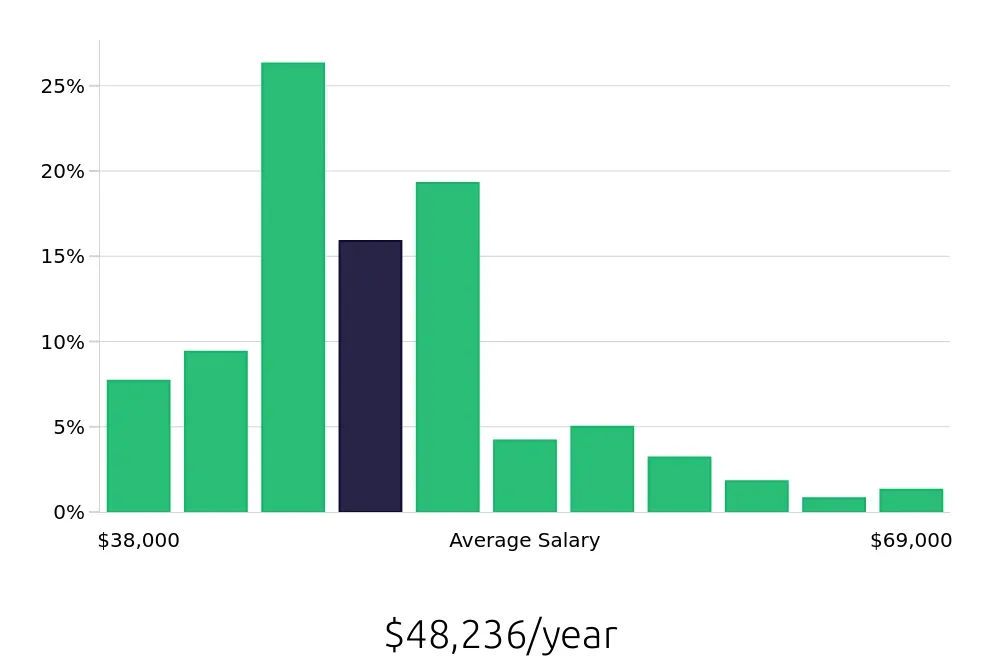
With an average national annual compensation of $72,430, Consulting Utility Foresters enjoy a rewarding salary. The BLS data shows an hourly compensation rate of $34.82. This translates to a good earning potential for those who pursue this career. Job seekers can expect a lucrative profession that also offers job stability and growth opportunities.
Currently 65 Consulting Utility Forester job openings, nationwide.
Continue to Salaries for Consulting Utility Forester