What does a Content Manager do?
A Content Manager leads the creation and management of engaging and informative content. This role involves working closely with writers, editors, and designers to ensure that the content aligns with the company's goals and appeals to its target audience. A Content Manager also plans content calendars, sets content strategies, and monitors the performance of various content pieces.
Responsibilities of a Content Manager include overseeing the development of blogs, articles, social media posts, and other content. They coordinate with different departments to gather information and ideas for content. A Content Manager analyzes data to understand what content works best and makes adjustments accordingly. This role requires excellent communication skills, creativity, and an eye for detail. A successful Content Manager knows how to balance quality with deadlines, ensuring that the content is both compelling and timely.
How to become a Content Manager?
Becoming a Content Manager involves gaining the right skills and experience to create and oversee content. Follow these steps to embark on a successful career path:
- Get a relevant education. Start with a bachelor's degree in communication, marketing, or a related field. This provides a solid foundation.
- Build content creation skills. Learn to write, edit, and produce engaging content. Practice using different formats like blogs, videos, and social media posts.
- Gain experience in content marketing. Work on projects to understand how content drives marketing strategies. Seek internships or entry-level jobs in marketing departments.
- Learn about SEO. Understand search engine optimization to create content that ranks well. Take online courses or certifications to improve this skill.
- Network and seek mentorship. Connect with professionals in the field. Attend industry events and join online groups to learn and grow.
Following these steps can help someone become an effective Content Manager. With dedication and the right skills, this career path is achievable.
How long does it take to become a Content Manager?
The journey to becoming a Content Manager varies based on a person's background and education. Most often, it takes a few years of experience in related fields such as marketing, journalism, or communications. Many professionals start by gaining hands-on experience through internships or entry-level positions. This helps in understanding the basics of content creation, strategy, and management.
The timeline can differ. Some professionals may find a role sooner if they already have a bachelor's degree in communications, marketing, or a related field. Others might need to pursue additional certifications or courses in digital marketing, SEO, and content strategy. Building a strong portfolio and networking within the industry also helps in securing a Content Manager role faster. Networking events, online courses, and attending workshops are great ways to speed up this process.
Content Manager Job Description Sample
We are seeking a highly creative and organized Content Manager to join our dynamic team. The ideal candidate will be responsible for developing, managing, and executing content strategies that align with our brand and business objectives. The Content Manager will collaborate with cross-functional teams to ensure that all content is engaging, relevant, and high-quality.
Responsibilities:
- Develop and implement content strategies that align with our brand and business goals.
- Manage and coordinate content production, ensuring timely delivery and high-quality output.
- Oversee content creation across various platforms, including website, social media, blogs, and email campaigns.
- Collaborate with marketing, design, and product teams to ensure content is aligned with overall strategy.
- Conduct content audits and analyze performance metrics to identify areas for improvement.
Qualifications
- Bachelor’s degree in Marketing, Communications, Journalism, or a related field.
- Proven experience in a content management role with a strong portfolio of successful projects.
- Excellent written and verbal communication skills.
- Strong organizational and project management skills.
- Proficiency in content management systems (CMS) and digital marketing tools.
Is becoming a Content Manager a good career path?
Being a Content Manager involves creating, planning, and overseeing content for a company’s website, social media, or marketing materials. This role requires creativity and strategic thinking. It blends writing, editing, and project management. Content Managers aim to engage the audience and promote the brand. They often work with other departments to ensure content aligns with the company’s goals.
The career path of a Content Manager can be rewarding. It offers many opportunities for growth. Managers work in various industries, including tech, healthcare, and marketing. They can advance to higher positions, such as Director of Content or Chief Content Officer. The job provides flexibility, as it can be done remotely. However, it also demands long hours and tight deadlines. Content Managers must stay updated with the latest trends and technologies.
When considering this career path, there are pros and cons to think about.
- Pros:
- Creativity: Content Managers get to express their ideas.
- Variety: The job is diverse with many tasks.
- Growth: Opportunities for career advancement.
- Flexibility: Remote work is often available.
- Cons:
- Pressure: High expectations and deadlines.
- Learning: Must keep up with trends and tools.
- Isolation: Working alone can be challenging.
- Inconsistent Hours: Long hours are common.
What is the job outlook for a Content Manager?
The job outlook for Content Managers is strong and growing. The Bureau of Labor Statistics (BLS) reports an average of 179,500 job positions available each year. This is good news for job seekers in this field. With a projected increase of 21.7% from 2022 to 2032, there will be more opportunities in this role.
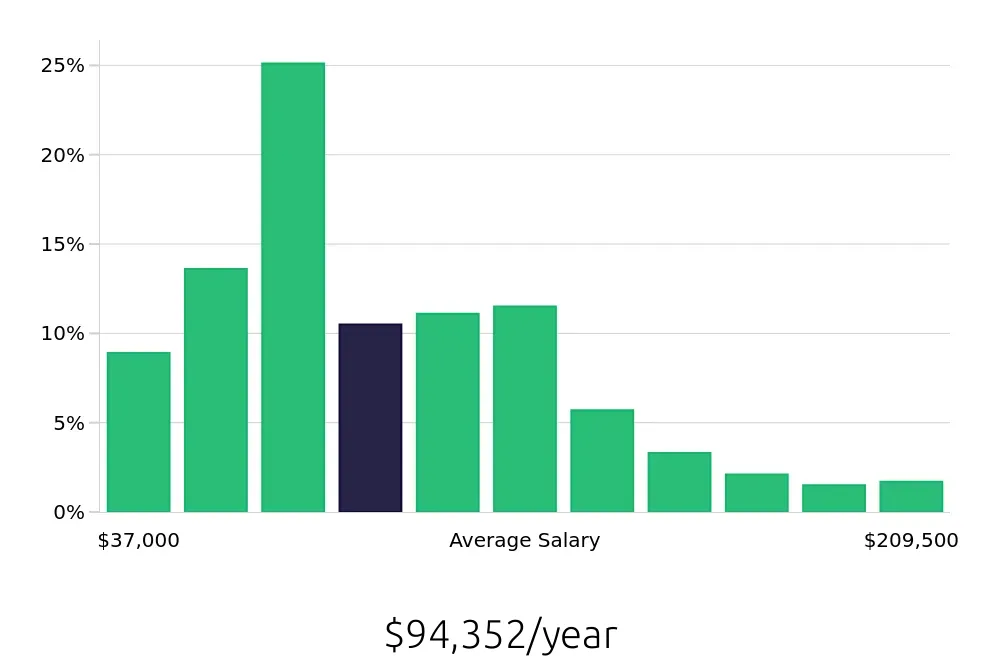
Content Managers can expect a competitive salary. The BLS states the average national annual compensation is $130,500. This reflects the value companies place on effective content management. Hourly compensation averages $62.74, which also makes this a lucrative field. Companies are willing to pay for skilled content professionals who can drive their marketing success.
Given the strong job outlook and competitive salary, Content Managers should find many opportunities. Companies across many industries need skilled content professionals. Whether it's marketing, advertising, or media, there is a demand for talented Content Managers. Those with the right skills and experience can look forward to many job prospects.
Currently 146 Content Manager job openings, nationwide.
Continue to Salaries for Content Manager